

.webp)


You've designed your yurt, you've chosen your site, and you're ready to build. Then you hear the word that can stop any dream in its tracks: "permits."
It's a word that can feel intimidating, loaded with images of paperwork, confusing regulations, and bureaucracy. I've guided hundreds of clients through this process all over the world, and I want to assure you of one thing: permitting isn't a wall designed to stop you; it's a process designed to keep you safe.
This guide is your roadmap. We'll demystify the process by breaking it down into three logical parts: understanding the codes, providing the right engineering data, and creating a practical plan to work with your local authorities. With the right information and the right partner, this is an entirely manageable process.
Part 1: The Language of the Law — Understanding UK Building Regulations
Before you ever speak to an official, it's helpful to understand the "language" of building regulations. The goal of every building code is simple: safety. It ensures any structure is built to withstand local conditions and is safe for people to live in. In the UK, the foundational documents are the Building Regulations, and you will typically need Planning Permission for a new structure.
Where Does a Yurt Fit In?
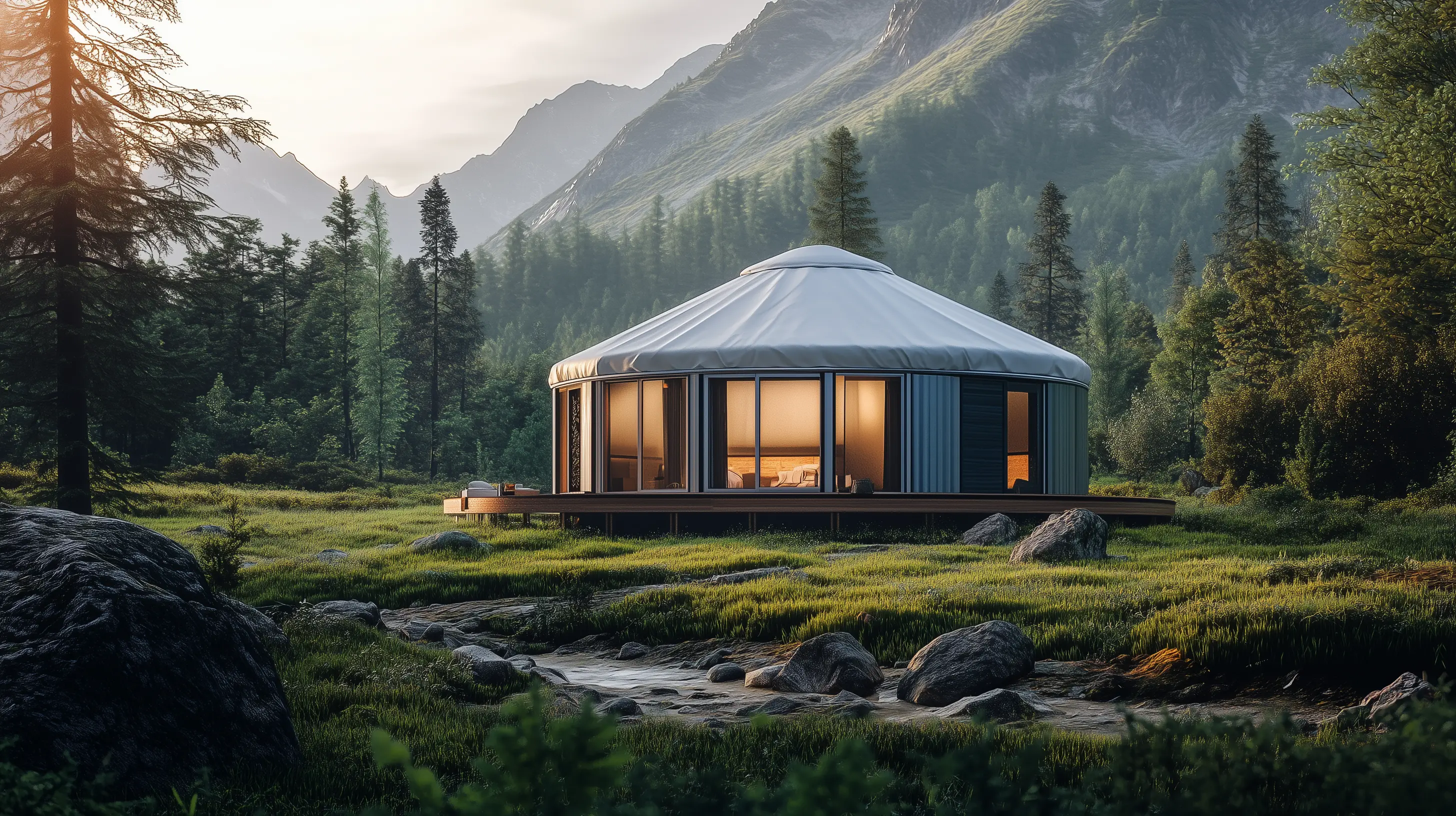
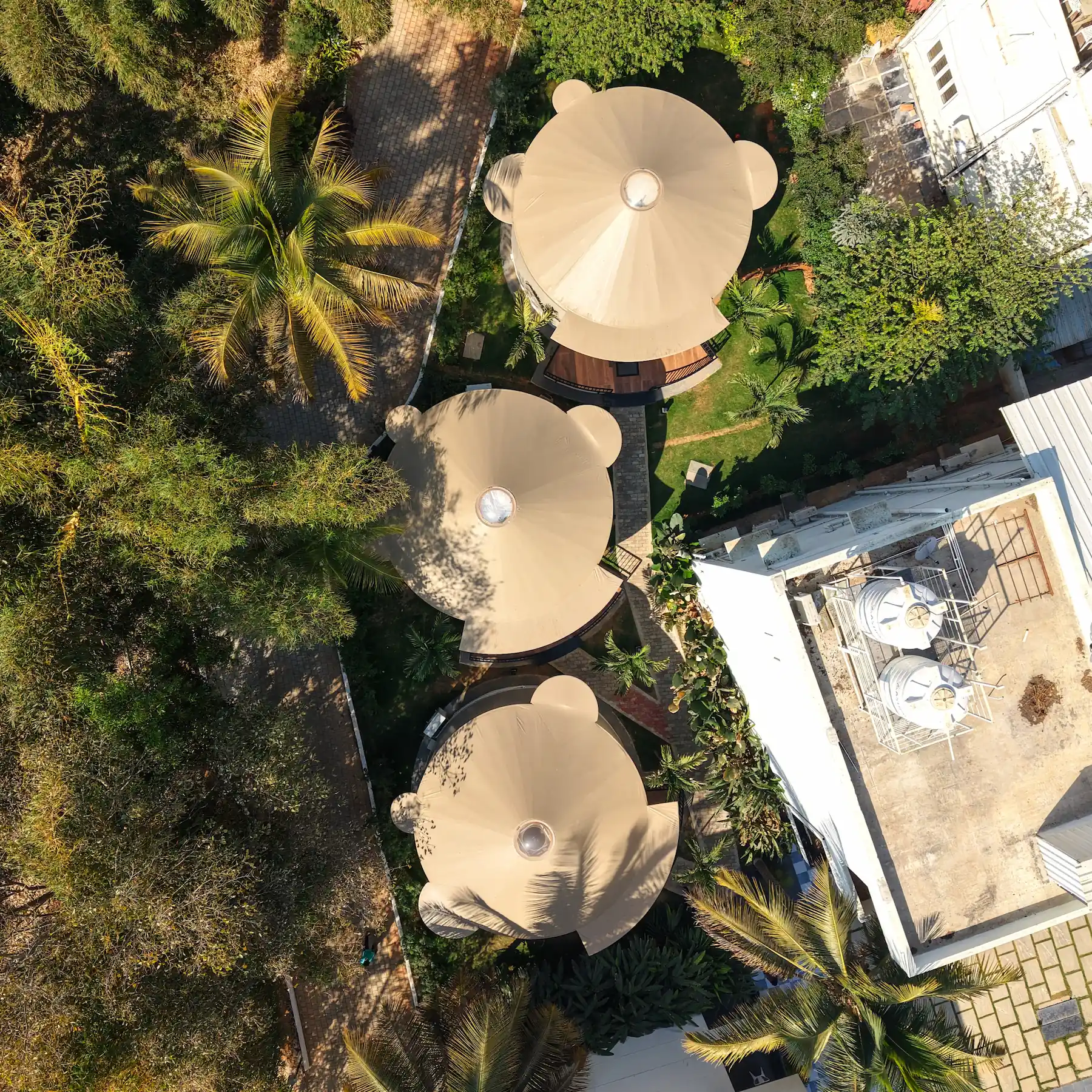
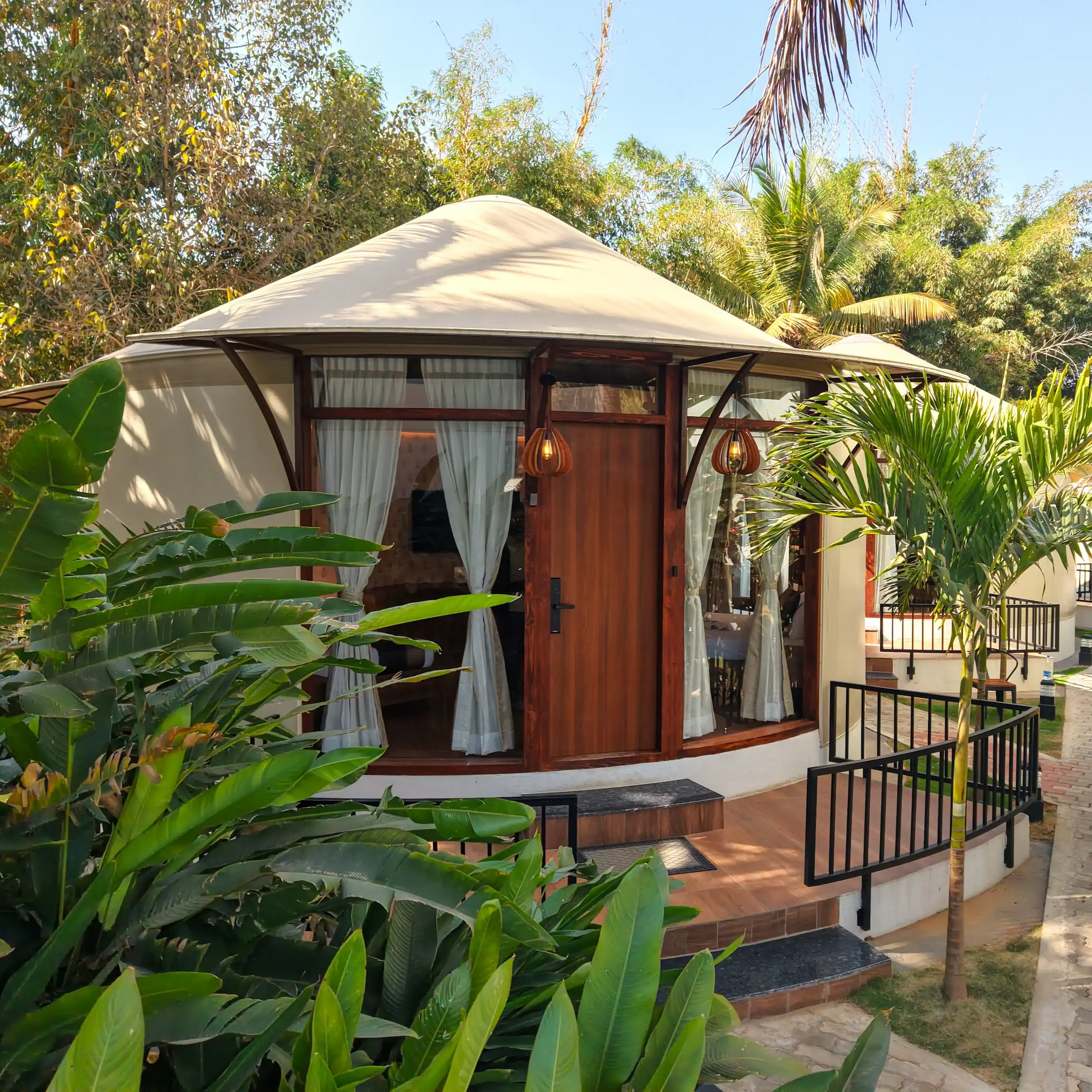
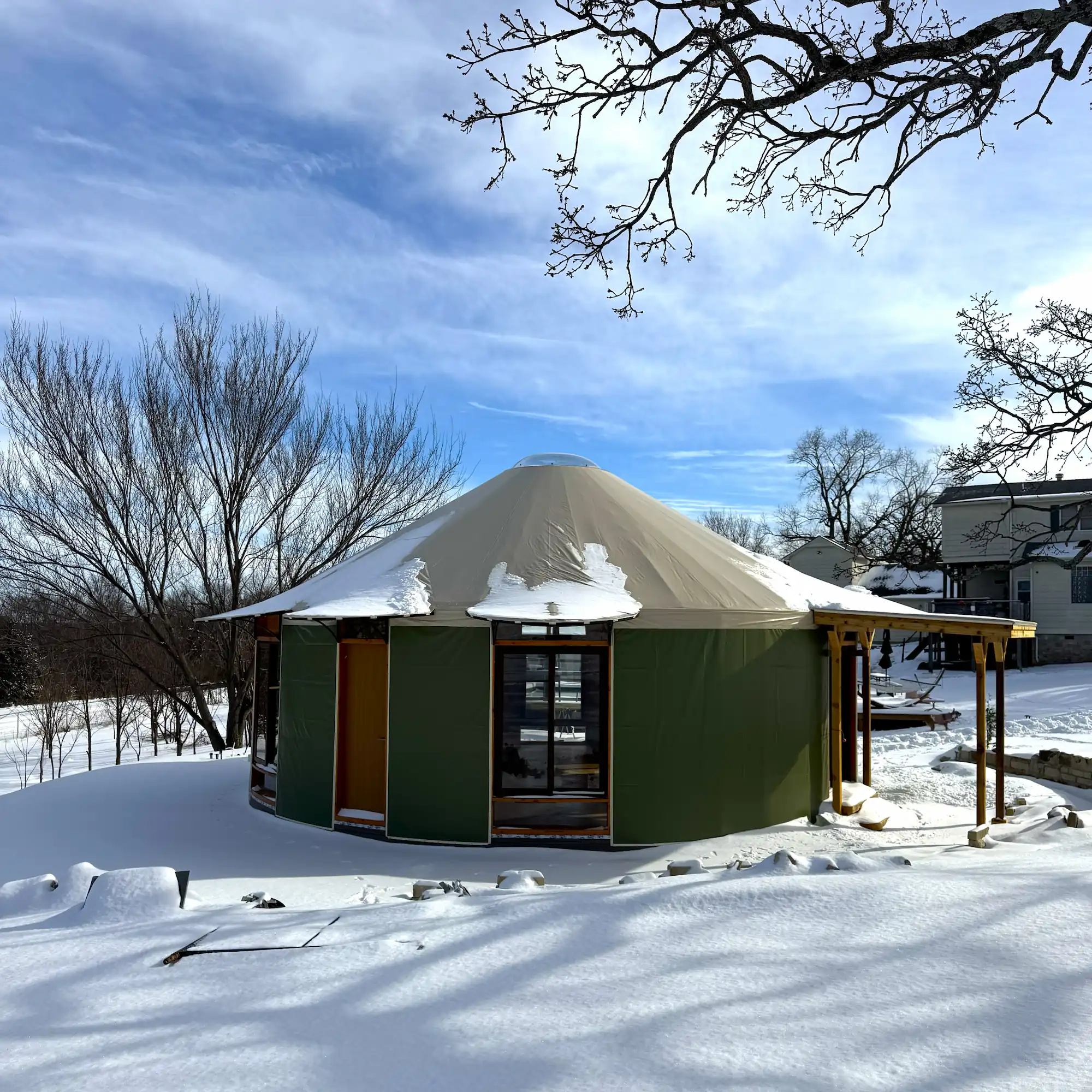
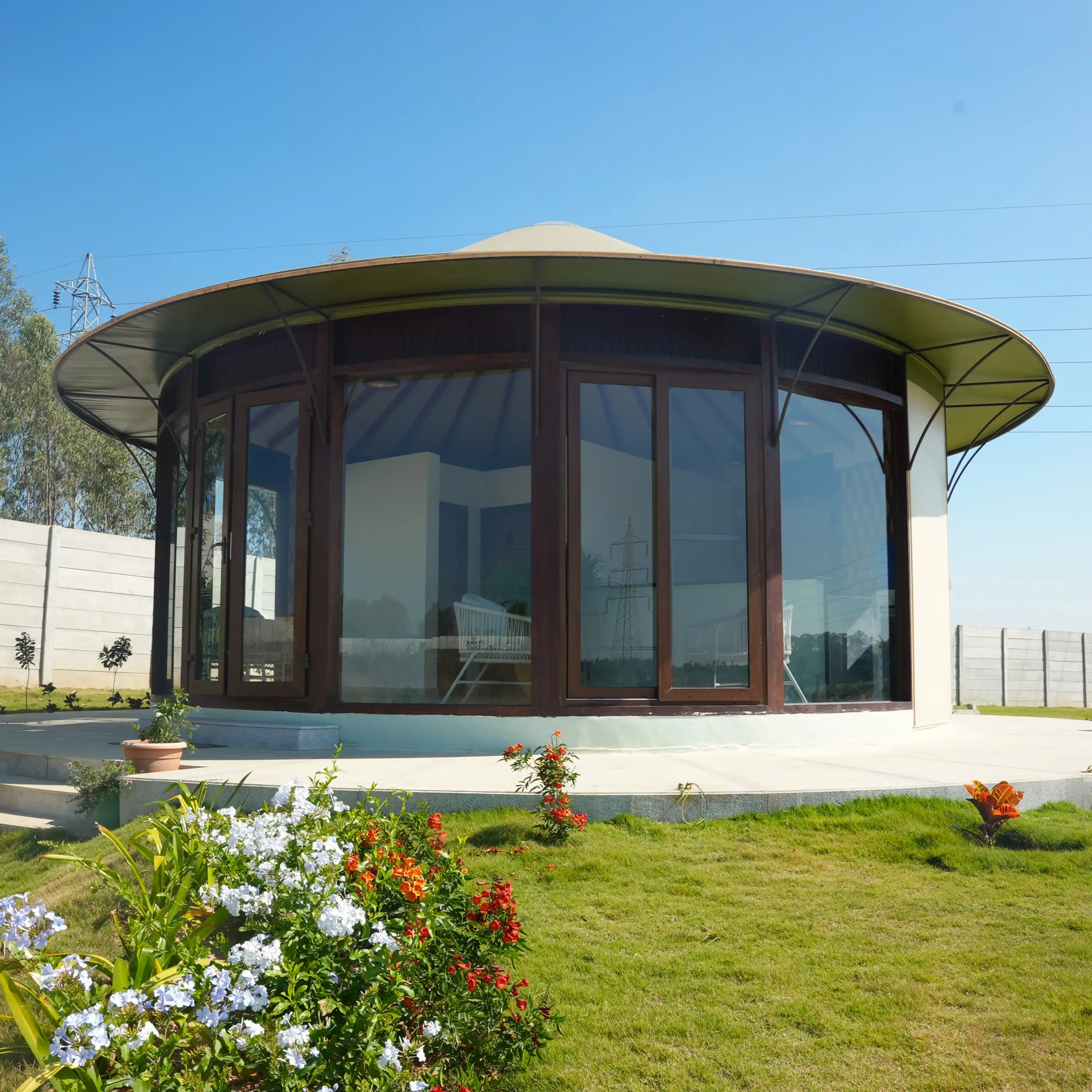
A modern, four-season yurt is a unique structure. It is often officially classified as a "Membrane-Covered Frame Structure." This is the correct terminology to use when speaking with your local council. It's not a simple tent, but it's also not a conventional house. This is why the first step in the permitting process is for your local planning department to determine how to classify your yurt's use, usually as one of three things:
- Temporary Structure: For short-term use (e.g., for an event), often with fewer requirements under "Permitted Development" rights.
- Ancillary Building (or "Granny Annexe"): A secondary building on a property with an existing house, similar to an ADU. This is an increasingly popular path for permitting a yurt.
- Permanent Dwelling: A primary residence, which will require the most thorough review to ensure it meets all residential building codes.
The Regulations Are Your Ally: A Key Section to Know
For any innovative structure like a yurt, a powerful part of the UK's system is the ability to approve non-traditional designs. Your local building control officer has the authority to approve your yurt as long as you can provide proof that the design is satisfactory and complies with the intent of the Building Regulations.
This is why providing our detailed engineering data (from Part 2) is so critical. Our specs are the professional proof you need to demonstrate that your yurt is a safe, strong, and durable structure.
Part 2: The Engineer's Answer — Providing the Right Technical Data
Your local building control officer isn't your adversary; they are a safety professional who needs data to do their job. Your goal is to provide them with the professional engineering specifications to prove your yurt is a safe, durable structure. A world-class manufacturer should make this easy for you.
Here are the questions your inspector will ask, and the specific, data-backed answers for an Out Factory yurt.
1. "What happens in a high wind?" (Wind Load)
- Our Rating: 173 mph (278 kph)
- Our Process: Our yurts are engineered to a global standard. The 173 mph rating is the result of a comprehensive structural analysis conducted by our engineering team, with all calculations benchmarked against the principles of international engineering standards. This data is then compiled into a professional engineering package that we provide to our clients. This package is specifically designed to be submitted to a licensed structural engineer in the UK for a final review and sign-off as required by your local authority.
2. "How does it handle snow?" (Snow Load)
- Our Rating: 2.87 kPa (which is equivalent to 60 psf).
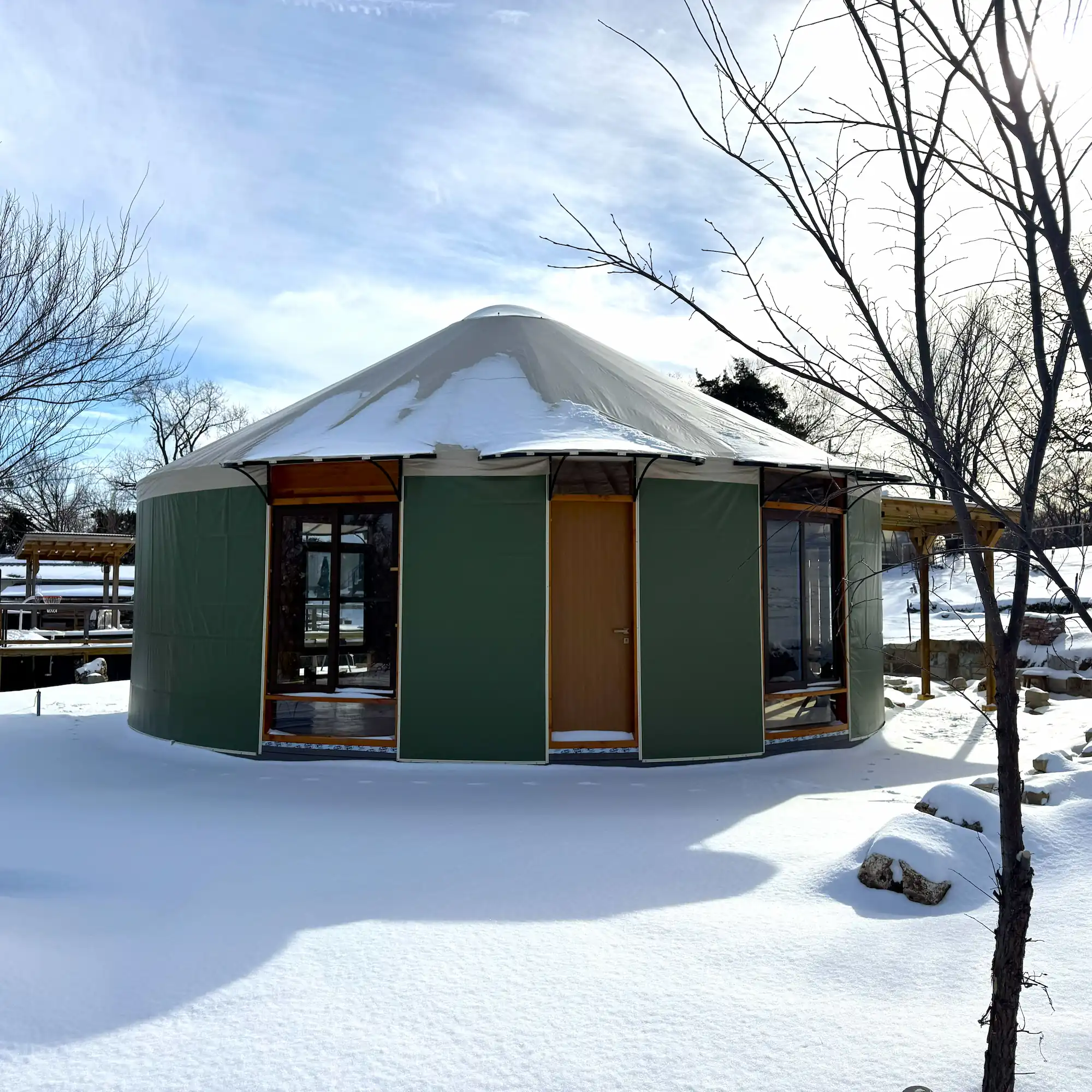
- Our Process: The 2.87 kPa rating comes from the same rigorous engineering process. Our team's structural analysis, benchmarked against building code principles, accounts for the strength of our robust Canadian wood frame and efficient roof pitch. Just like with our wind load data, we provide these snow load calculations in a professional engineering package, ready for your local building department or a licensed engineer for their formal review.
3. "Is it a fire hazard?" (Fire Retardancy)
- Our Rating: Our outer fabric from Serge Ferrari is a high-performance material with extensive third-party testing.
- The Certifications: It meets numerous international standards, including B-s2,d0 under the European EN 13501-1 standard and Class A under the US ASTM E84 test. In simple terms, this means it has low flame spread and smoke development, meeting the requirements for many commercial and residential applications.
4. "How does it perform in an earthquake?" (Seismic Performance)
- The Answer: This is a great question. While the UK has low seismic activity, the principle is important. A yurt is a lightweight, flexible structure. Unlike a rigid, heavy building, its tensile design can move and absorb forces very effectively. The primary concern isn't the yurt itself, but the foundation it's built on. A properly engineered platform is the key to safety, and the yurt's light weight places significantly less stress on it.
5. "Is it energy efficient?" (Insulation)
- Our Rating: Our standard insulation system has a calculated U-Value of 0.224 W/m²K. (A lower U-Value signifies better insulation).
- The Certification: This excellent thermal performance is derived from the U-Value of our insulation, which is tested according to the ASTM C518 standard. Crucially for the UK climate, our Alufoil XLPE insulation is a closed-cell material. This means it does not absorb water, providing consistent, high-performance thermal resistance that won't degrade in damp conditions, a key factor for meeting UK Building Regulations for energy efficiency.
Part 3: The Practical Path — Your Local Authority Action Plan
With your engineering data and knowledge of the codes, it's time to talk to your local council. The best advice I can give is to treat your planning and building control officers as your most valuable local resource. Their job is not to say "no"; their job is to help you build a safe home.
A building inspector once gave this simple advice: "Call us before you start. We have lots of valuable information, and we take no joy in rejecting a project."
Here is a step-by-step action plan for that process:
1. The First Call: Ask the Right Questions
Call your local council's planning or building control department and be prepared. Here's what to ask:
- What are the specific local requirements for wind and snow loading in my exact location?
- Has the department previously approved "membrane-covered frame structures" or yurts in this council?
- What are the requirements for connecting to services or installing a septic tank/treatment plant?
2. Gather Your Documents
You will typically need a professional package that includes:
- A Site Plan showing your property and the proposed yurt location.
- The Yurt Specifications (the data from Part 2 of this article, which we provide).
- A Foundation Plan detailing how your platform will be built.
3. Submit Your Application
Package everything professionally and submit your application. Be prepared for questions and be ready to provide more information.
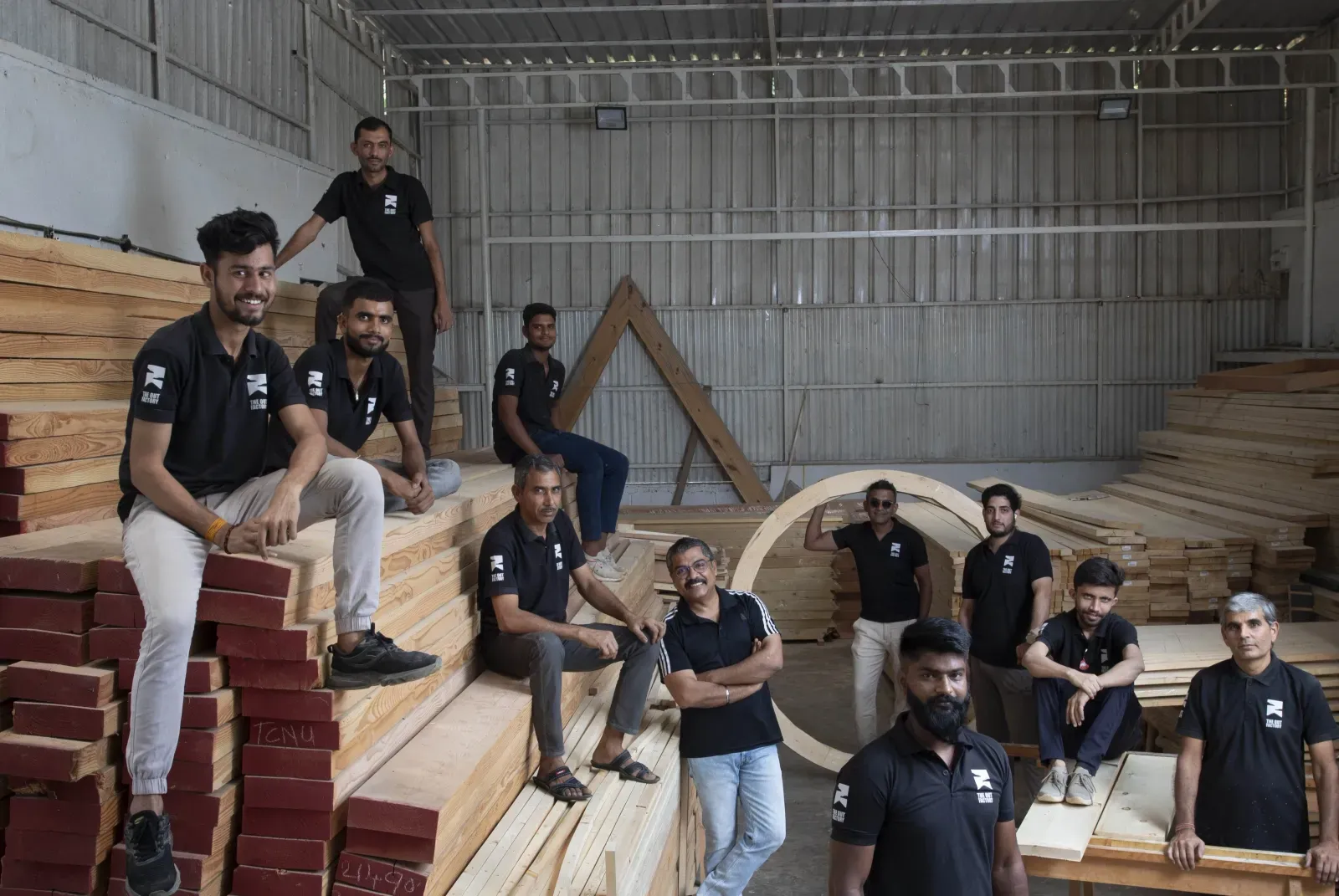
This final step is where having an experienced partner is invaluable. While we can't file the permit for you, our team has experience with projects all over the world. We provide you with the professional engineering documents, technical data, and expert advice you need to have a confident conversation with your local authority. You are not alone in this.
Conclusion: From Process to Peace of Mind
Permitting isn't a wall; it's a series of gates. By understanding the regulations, providing clear engineering data, and working collaboratively with your local officials, you can open each one. The goal is to build your dream yurt legally and safely, giving you the ultimate peace of mind to enjoy your new round home for years to come.
FAQs
1. What happens if I build without planning permission?
Building without permission can lead to an enforcement notice from the council, which could require you to tear the structure down. It can also make it impossible to get insurance or sell your property. We strongly advise against it.
2. Does The Out Factory provide the engineered drawings I need?
Yes. We provide our clients with a full set of technical specifications and drawings for our yurts that you can submit to your local authority as part of your application package.
3. Is it easier to get a permit for a yurt as a granny annexe or garden room?
It can be. In many areas, the rules for an ancillary building are more streamlined than for a new primary residence. However, it will still need to meet key safety and planning requirements. Always check your local council's specific policies.
uniquely yours?
Explore Limitless options in our 3d yurt builder
and bring your vision to life

Share Blog
.jpg)
.jpg)
.jpg)
.jpg)
.webp)