

Living in a Yurt Full Time – What it’s really like? (Pros, Cons & Lessons Learned)

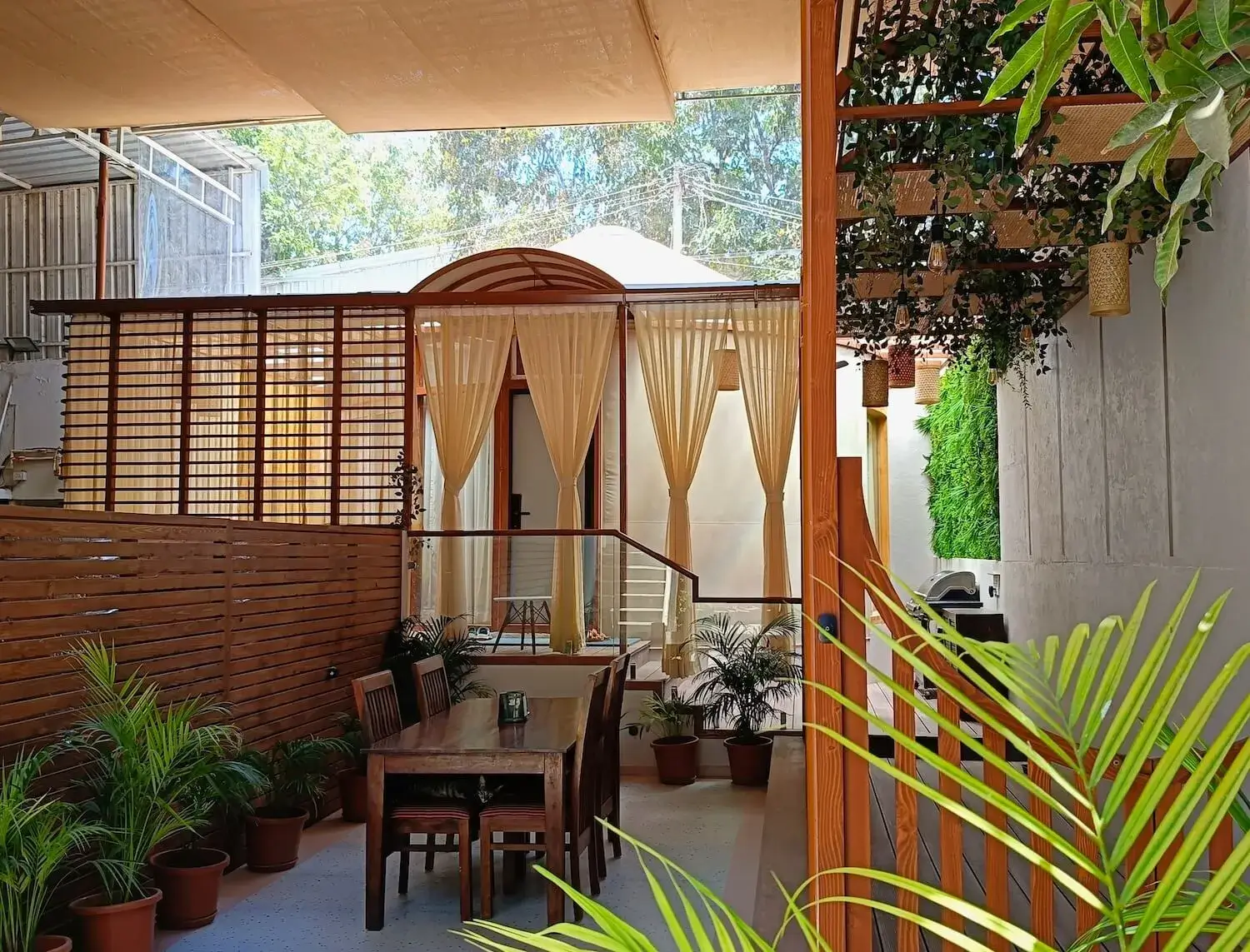
Four years ago, if you had told me I’d be living full time in a yurt with my partner and two cats in Bangalore city, I might have laughed, nodded politely, and assumed it was one of those “nice ideas” you never actually act on.
And yet, here we are.
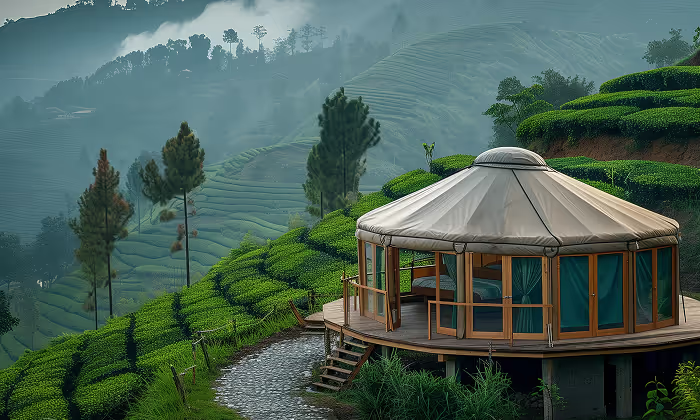
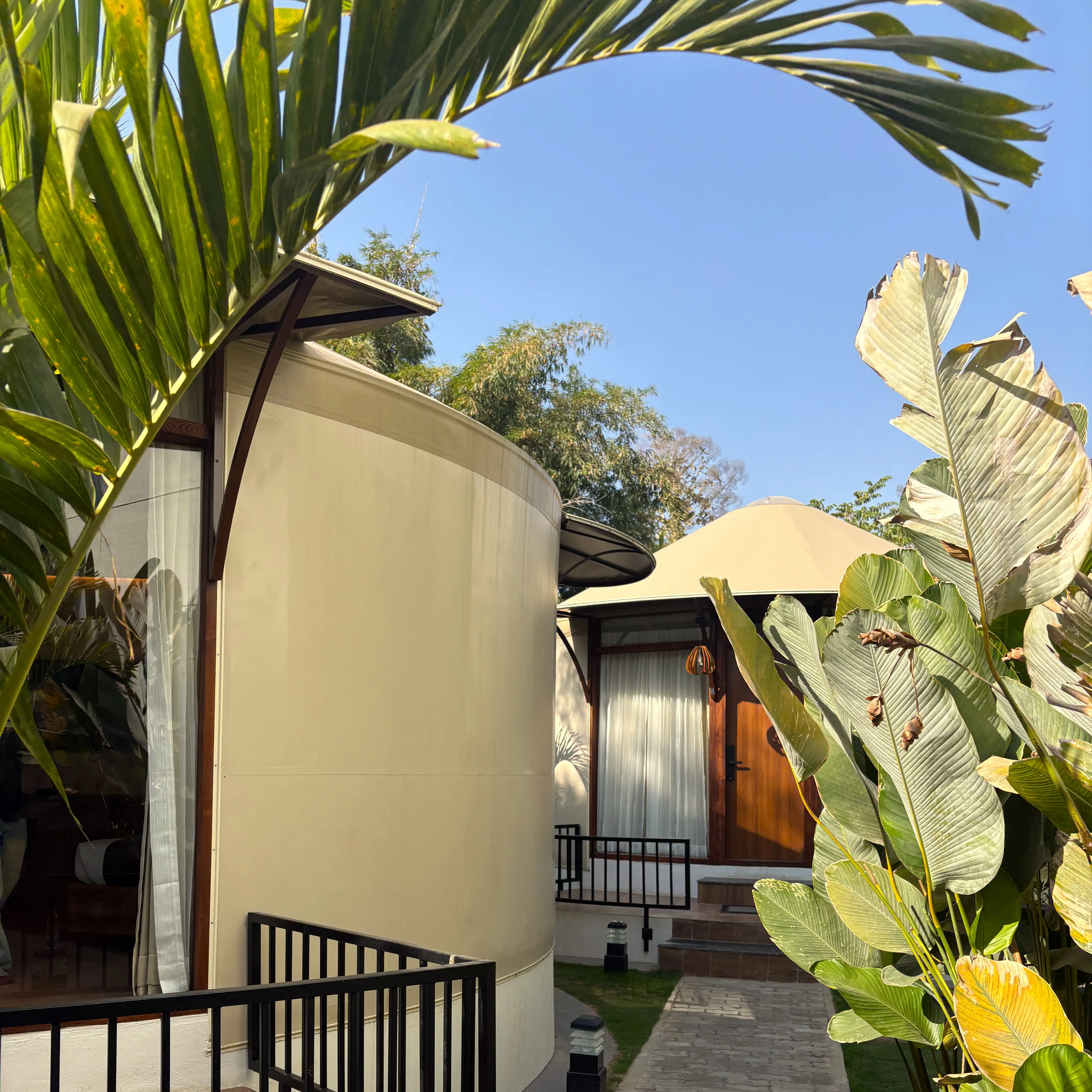
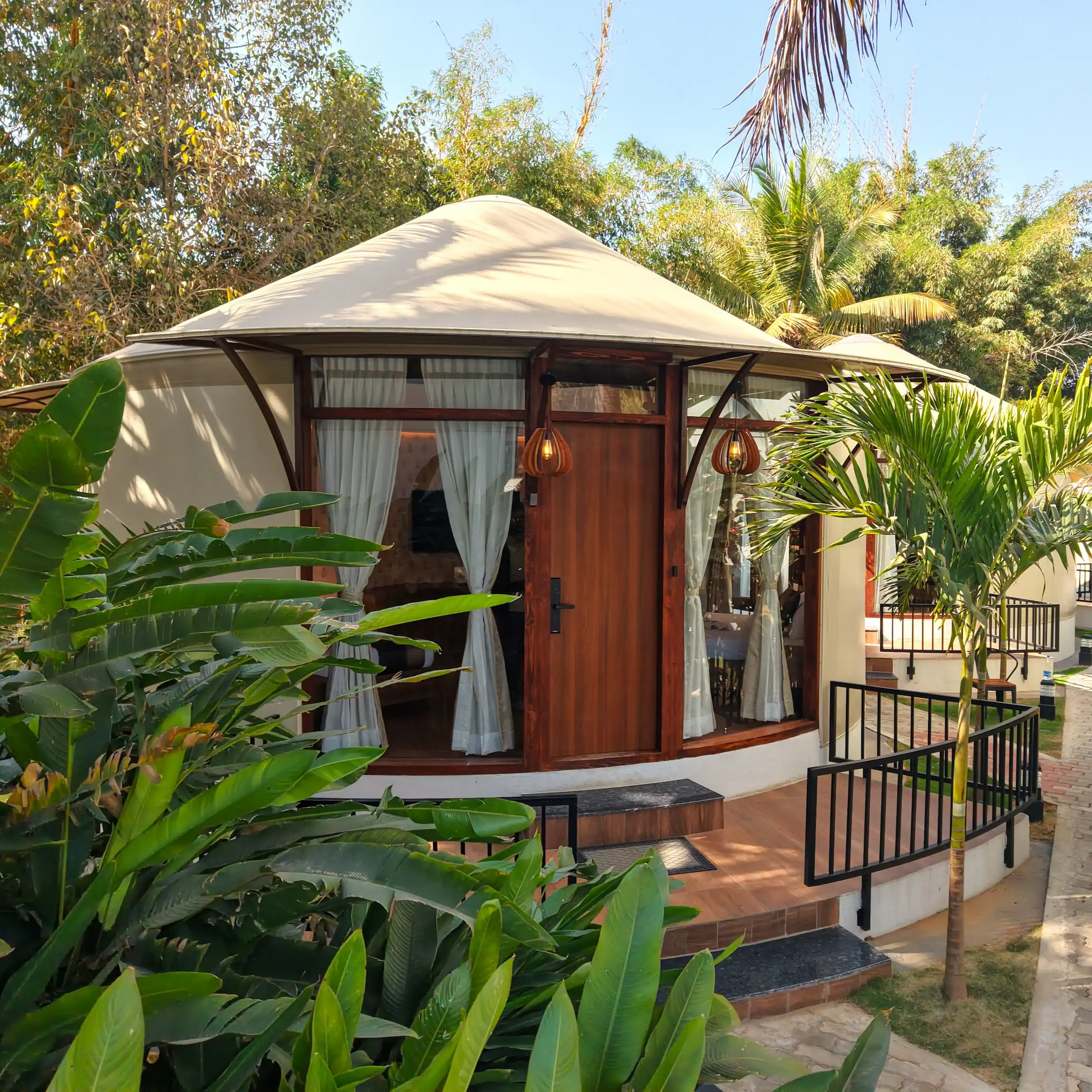
When I tell people that I actually live in a yurt, that too inside a city the reaction is almost always the same: disbelief followed by tons of questions. Yurts are still largely unheard of as a full-time home. Most people associate them with remote landscapes, glamping sites, or short-term experiences, not everyday life. Especially not in a city that runs on concrete, traffic, and deadlines.
For us, living in a yurt wasn’t about escaping society or chasing a trend. It was about wanting a home that felt alive. A space that didn’t trap us indoors, that let light flood in, that made us feel connected to nature, to each other, and to our daily rhythms.
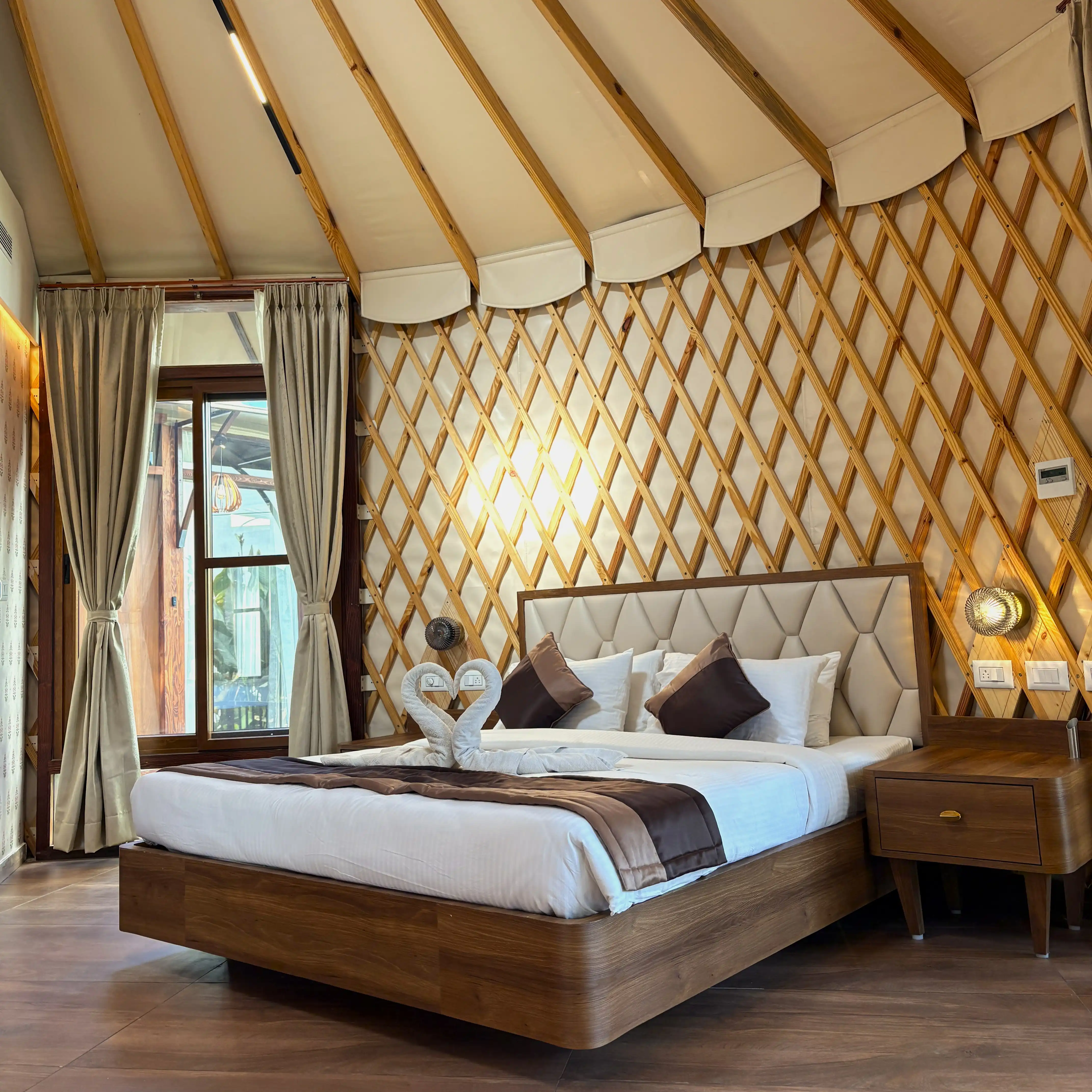
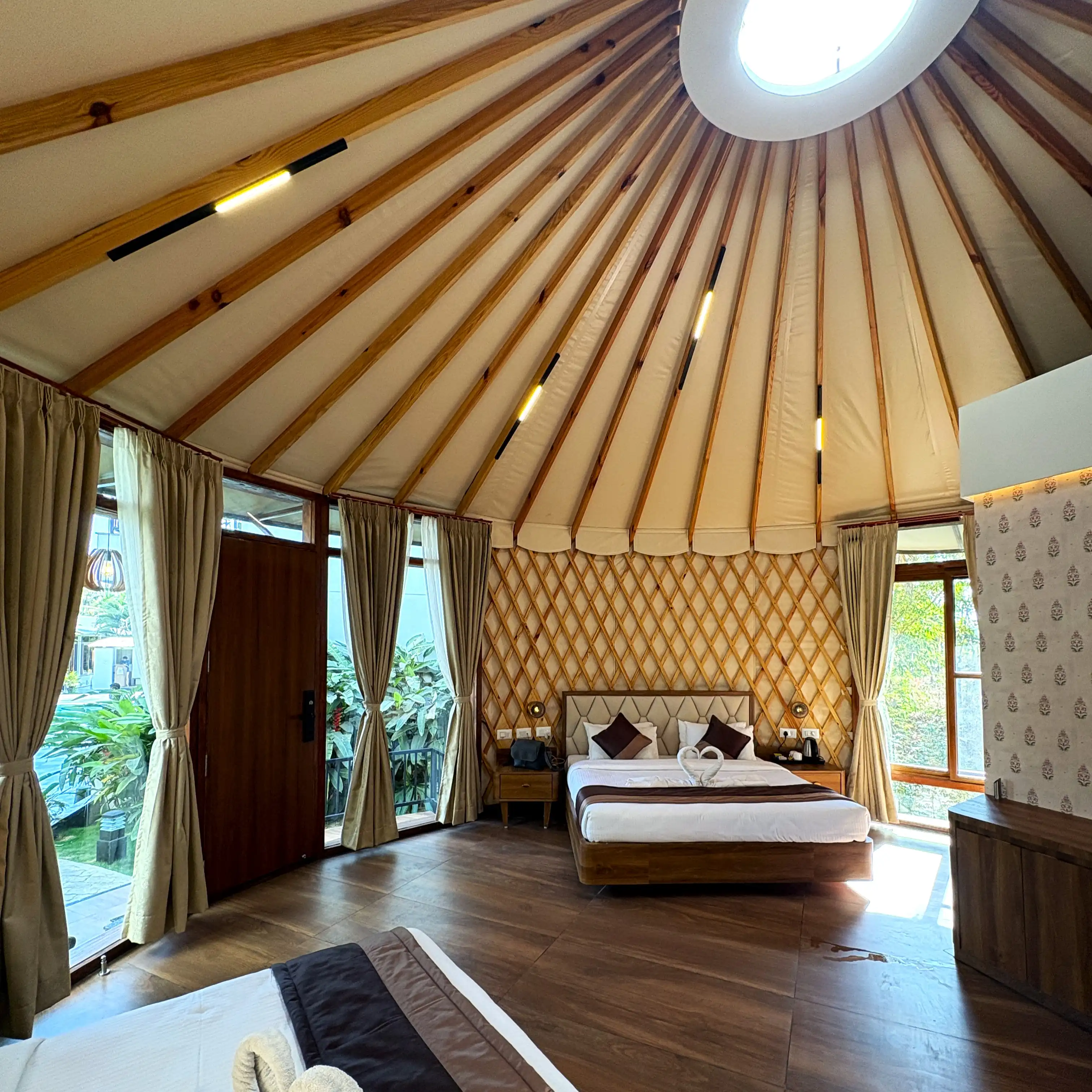
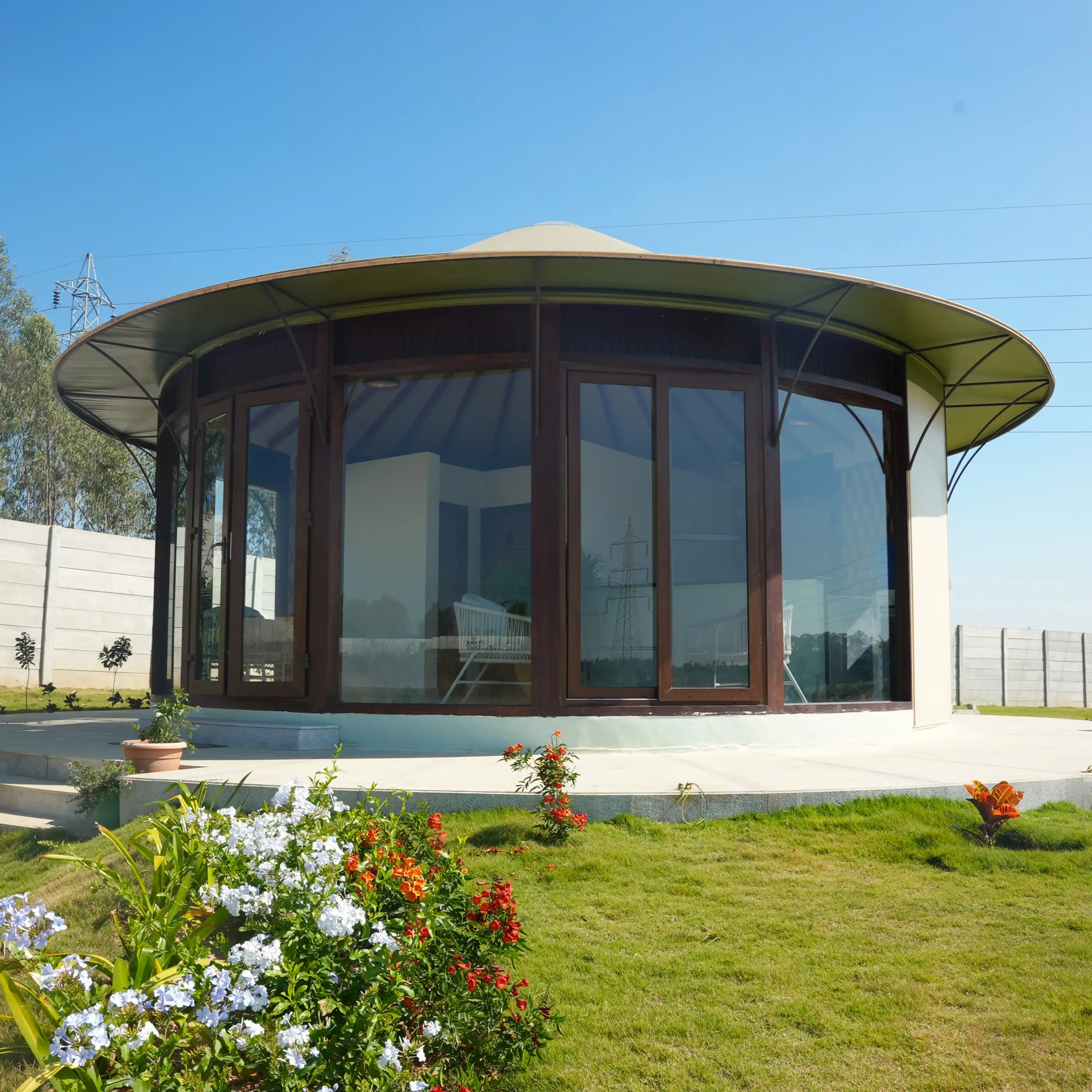
What I didn’t fully anticipate was how beautifully the circular structure would affect us. There’s a quiet harmony in living without sharp corners, physically and mentally. The yurt fills with light in a way no apartment or any condo/independent house ever did. I have lost count on the number of dark apartments and condos/independent homes I have seen in broad daylight. They are so poorly designed for light and ventilation.
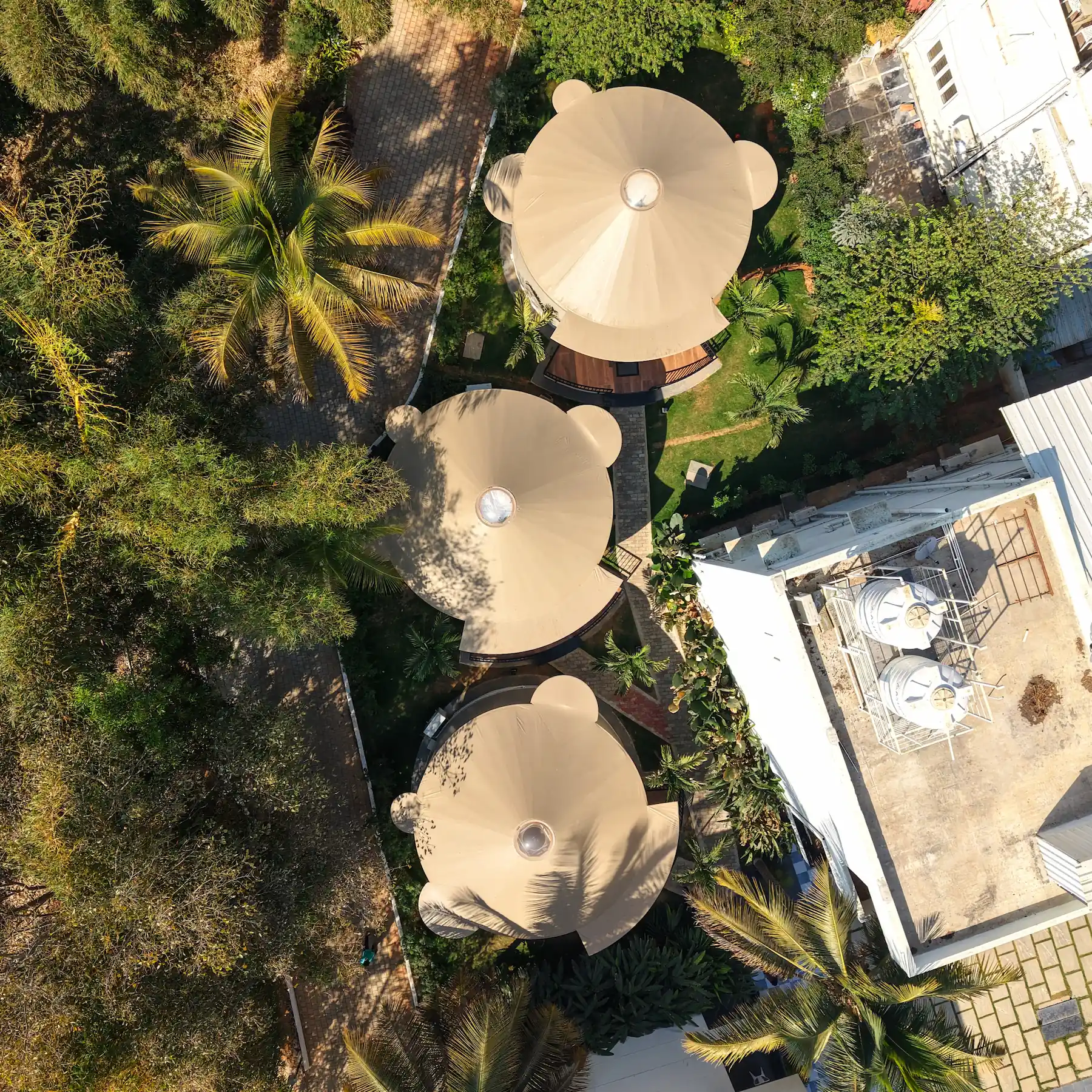
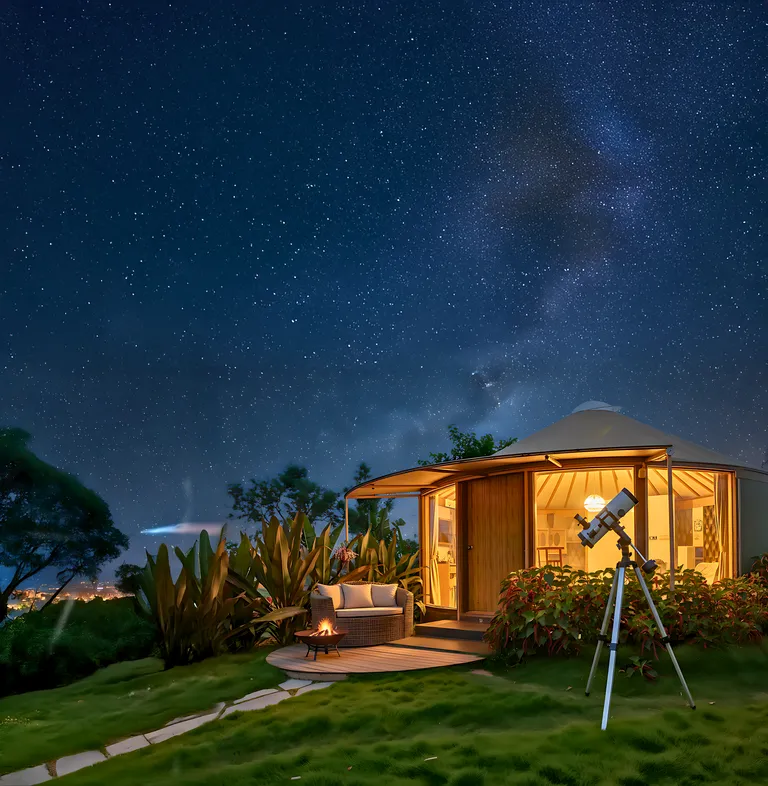
Cutting back into the yurt: Mornings begin with the sun filtering in through the dome, nights end under the sky, and somewhere in between, life feels a little less rushed.
Four years in, I can confidently say a well-built yurt is far from fragile. It’s solid, comfortable, and surprisingly grounding. And despite what most people assume, living smaller hasn’t felt like a compromise. With the right planning, it just redefined what’s ’enough’ :)
My Journey to Yurt Living- A Sage Indoor & Outdoor Experience
Choosing to live in a yurt wasn’t about solving a specific problem. It was more about experiencing a different way of life.
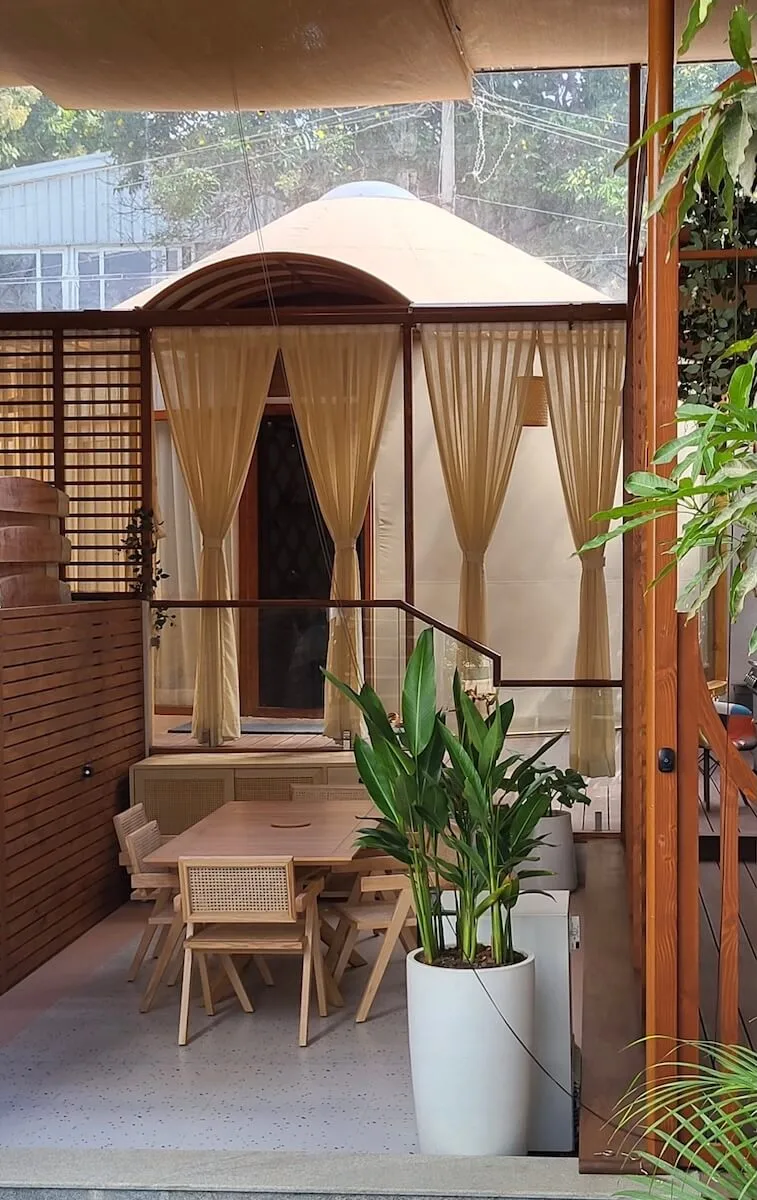
We knew early on that apartments and conventional independent homes weren’t for us. The idea of bad light inside a home was depressing and the idea of being boxed inside four concrete walls never quite resonated. We wanted a home that blurred the boundary between indoors and outdoors, a space that encouraged us to step outside, slow down, and live more intentionally.
Around this time there’s something important I should mention - my partner designs and builds yurts. Which, ironically made me realise that I shouldn’t arrive at this decision blindly. I wanted to explore other prefabricated tiny home options available in the market, just to be sure we weren’t choosing familiarity over fit.
While many were interesting, none offered the level of customisation that a yurt does. Yurts are incredibly flexible from layout to interiors to how you connect them with the surrounding land. That freedom was a big deciding factor.
From the beginning, this wasn’t meant to be temporary. We were very clear that we wanted to live in a yurt for the foreseeable future.

Doubts & fears
Our biggest practical fear was safety and weather. Bangalore gets good monsoons, decent winters, and brutal summers. Would the structure hold up? Would it be comfortable?
Four years later, the answer is yes. The yurt is built using high-quality wood and fabric and is very sturdy and feels safe like any regular structure. It’s well insulated, so temperature differences are usually just 2–3 degrees compared to a regular house. Summers can be intense, but having an AC makes it very comfortable. Monsoons can get noisy, but if you enjoy rain like I do, you’ll probably love it. If you don’t like my partner, there are enough ideas to circumvent rain noise :)
Also, having someone who understands how yurts behave across seasons definitely helped me think through these questions more realistically. From insulation to materials to long-term durability. But even then, living in one full time was a leap of faith. You only truly understand a home once you’ve lived through all its moods.
Emotionally, privacy was a concern. Our yurt doesn’t have separate rooms except for the bathroom and toilet. Sharing one open space with your partner requires adjustment, communication, and patience.
Luckily, none of our friends or family explicitly tried to talk us out of it, though many thought it was a bit crazy. But when we looked at our shared vision of a dream home, it became clear that this was more brave than naive. Adventurous is one word which explains it all!
Yurt Living Setup & Daily Life
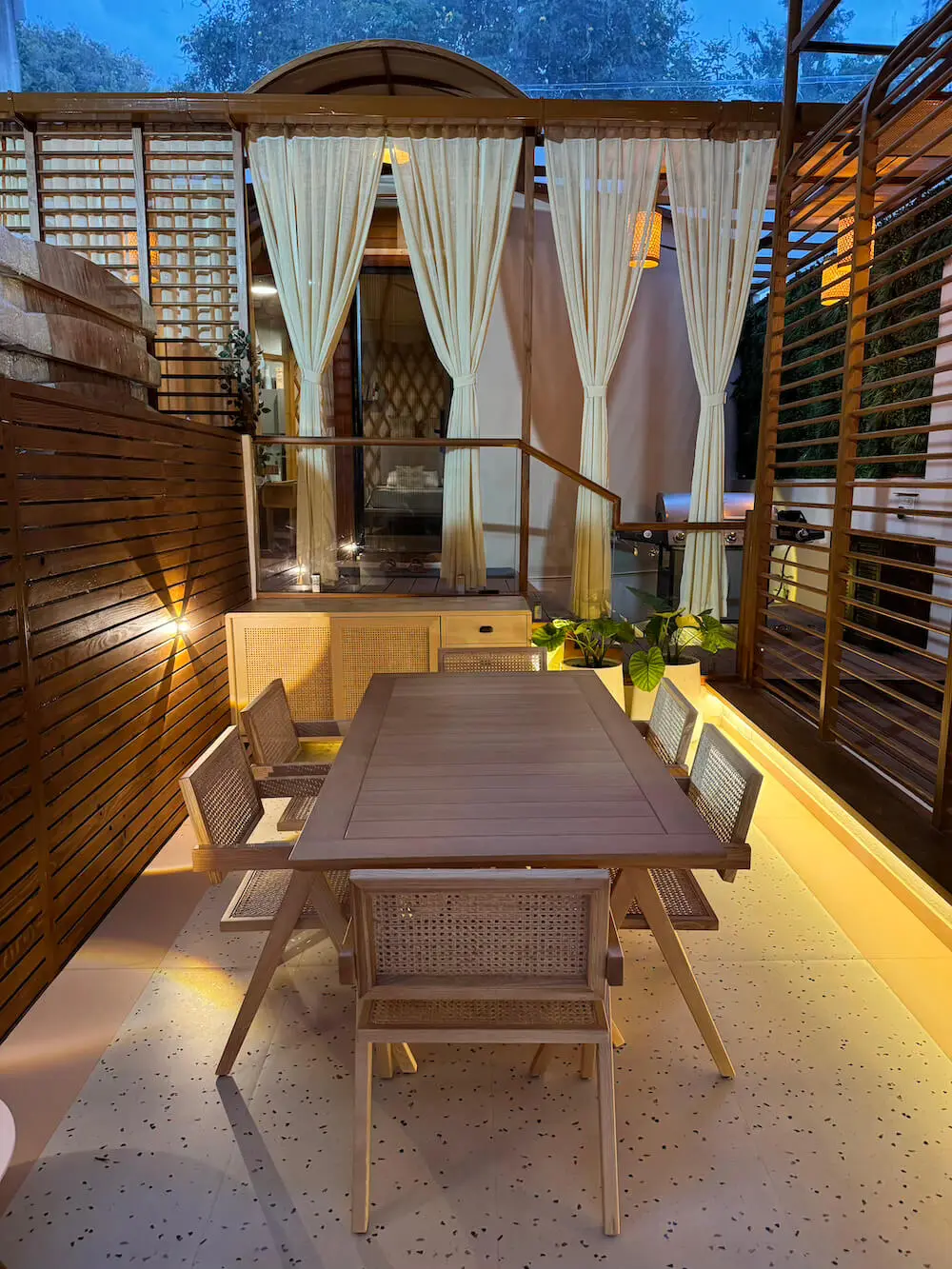
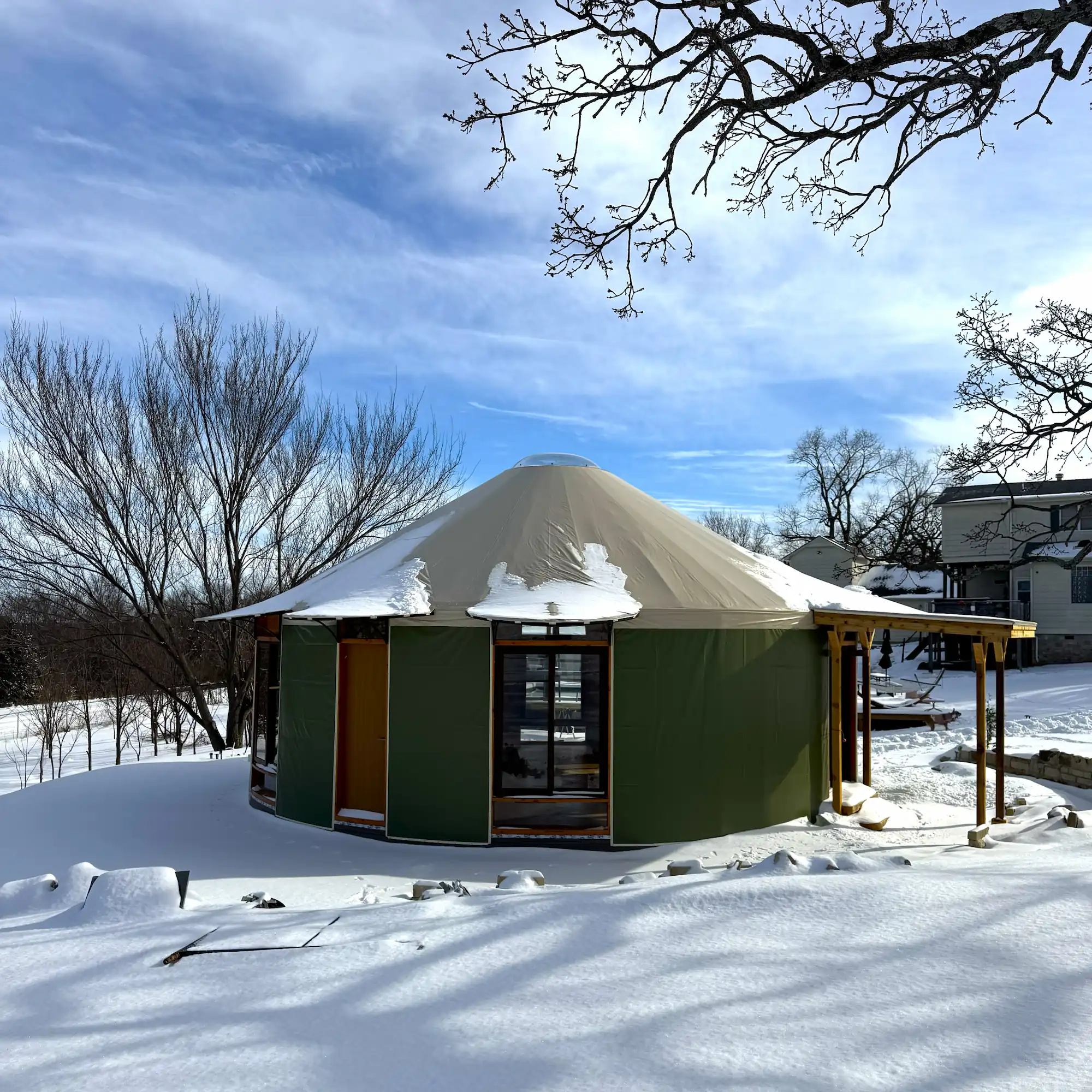
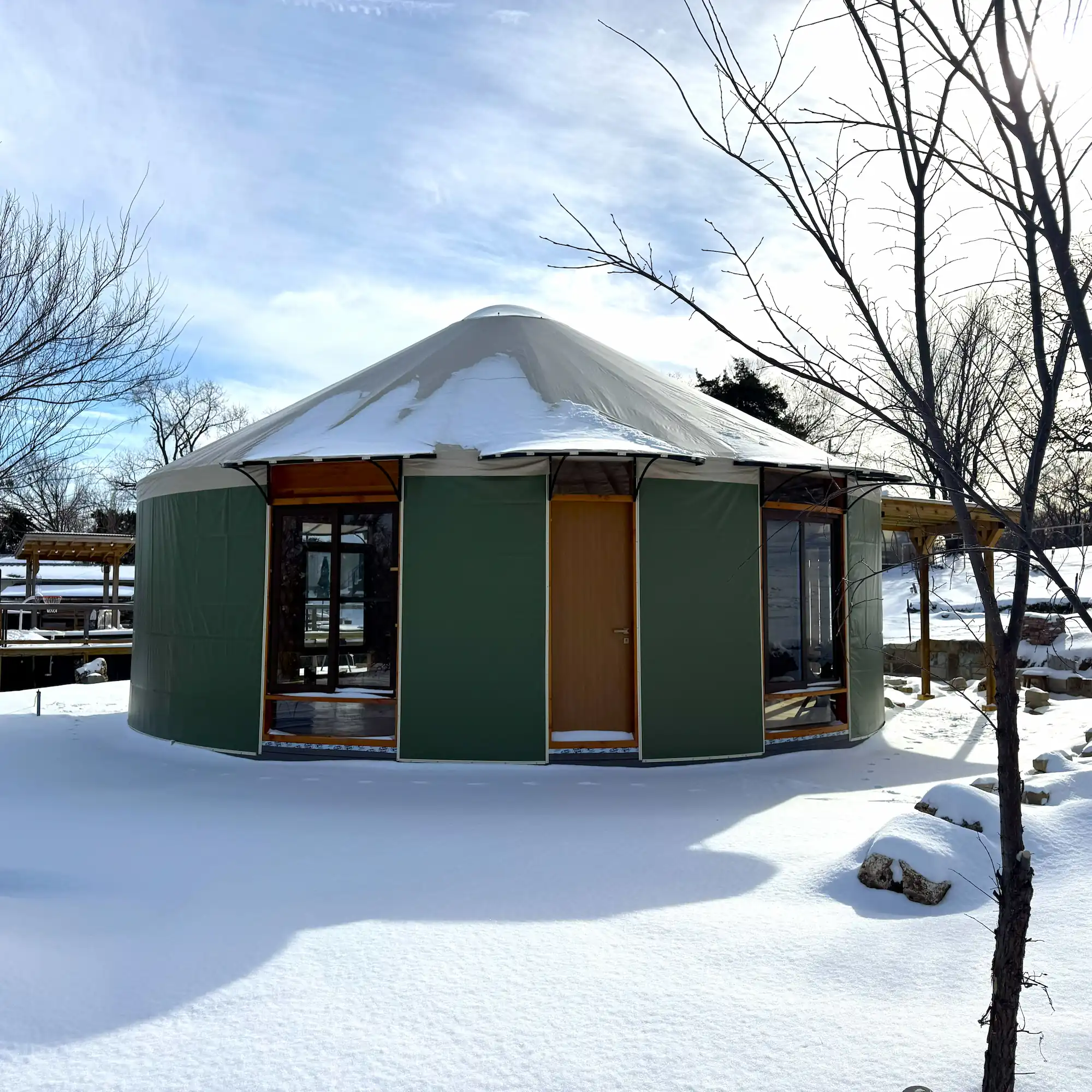
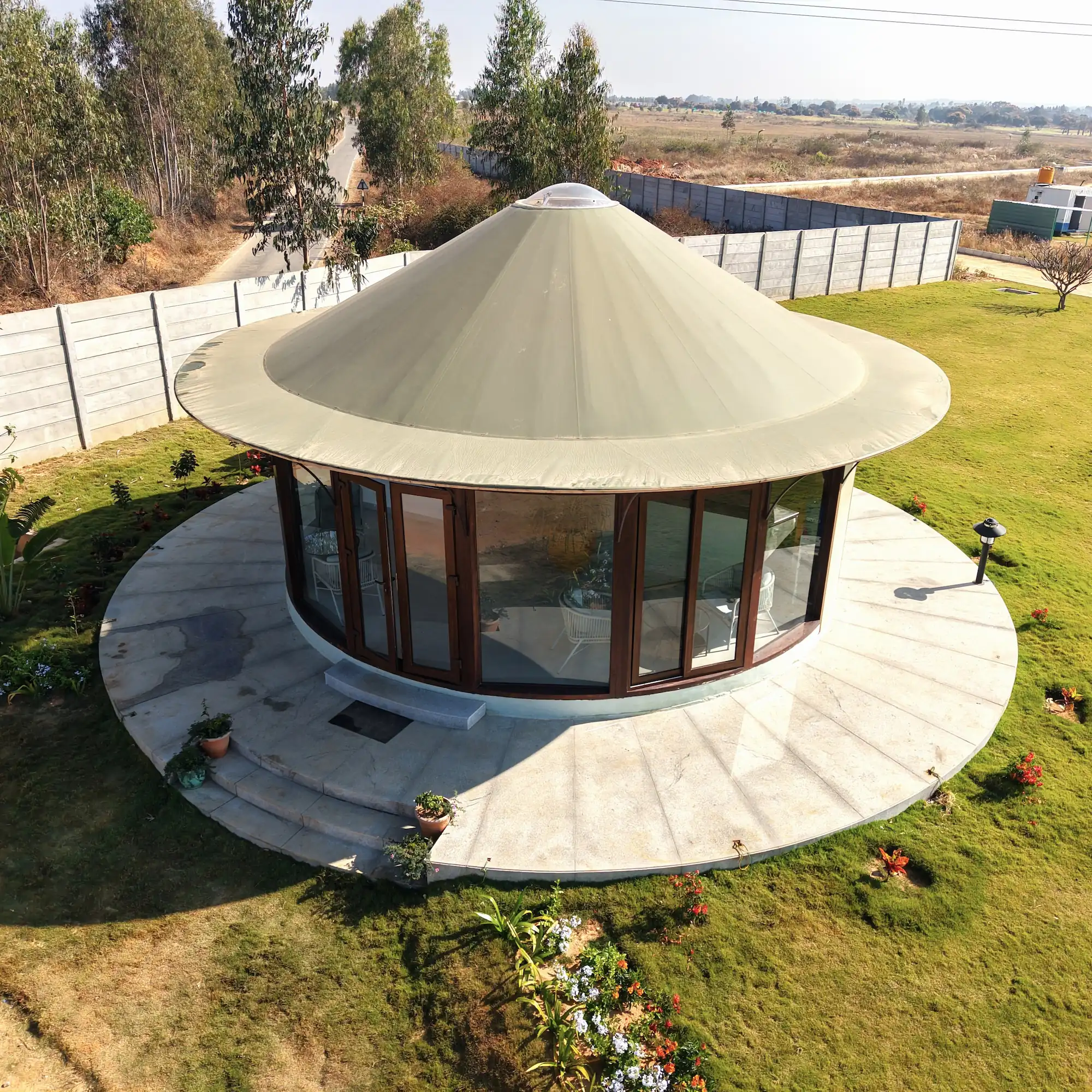
Our plot of land was small so we chose the smallest yurt available which is 314 sq ft, shared by two adults and two cats. Our yurt is housed on a foot print of 24 ft x 27 ft and we have used every inch of it. You will see why as you read on!
Designing the layout was the most critical part. If you imagine fitting a circle inside a square, you get four corners. We converted two of these into a kitchen and a walk-in wardrobe (with plenty of storage space) connected thoughtfully to the main yurt.
We spent days and nights designing the yurt floor plans and interiors - workspaces, storage, circulation, and designated spots for everything we own. Every corner was accounted for.
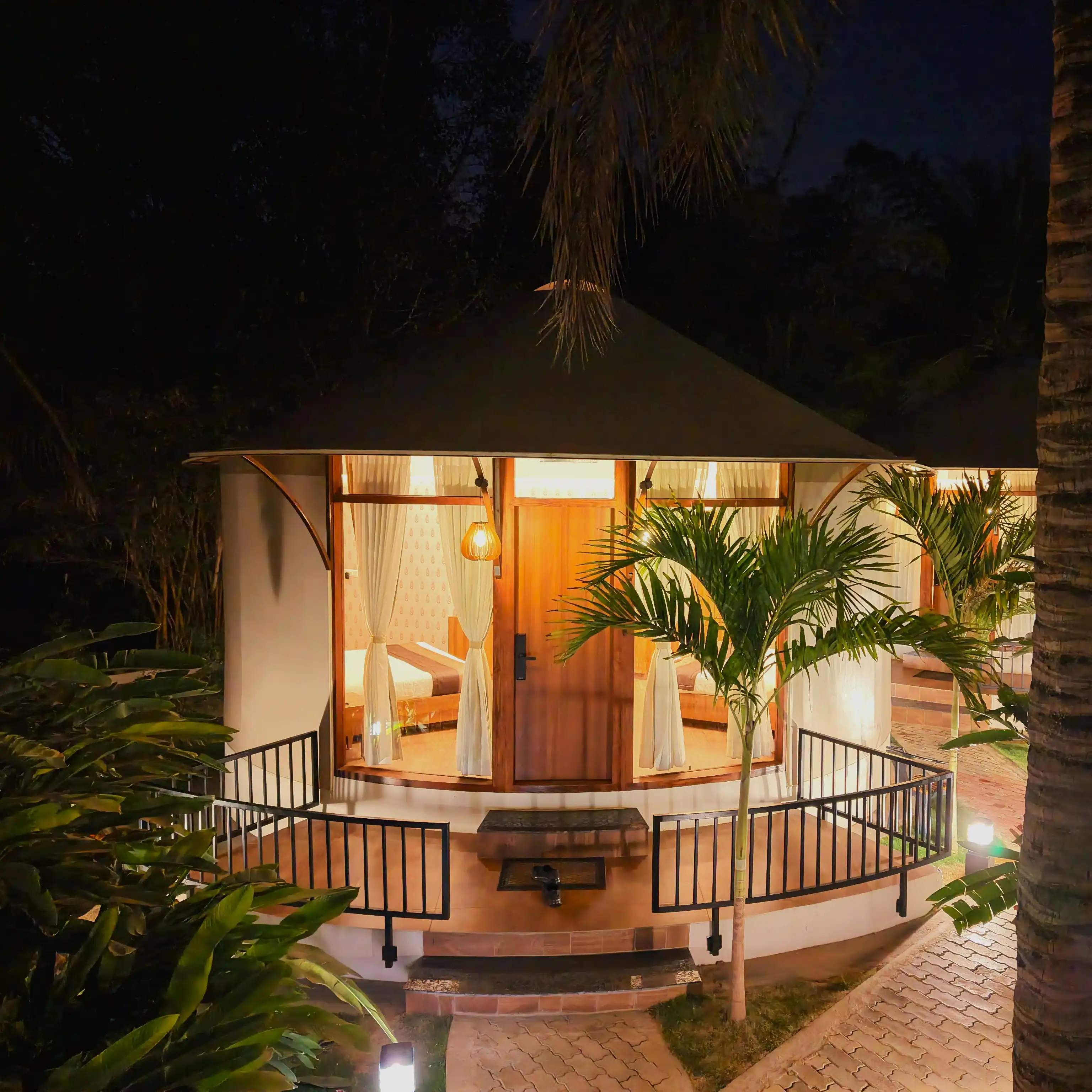
The bathroom deserves a special mention. It has a large window that opens to a green wall, flooding the space with natural light. The main yurt also has large windows overlooking our garden, which constantly reminds us that we’re living with nature, not separate from it.
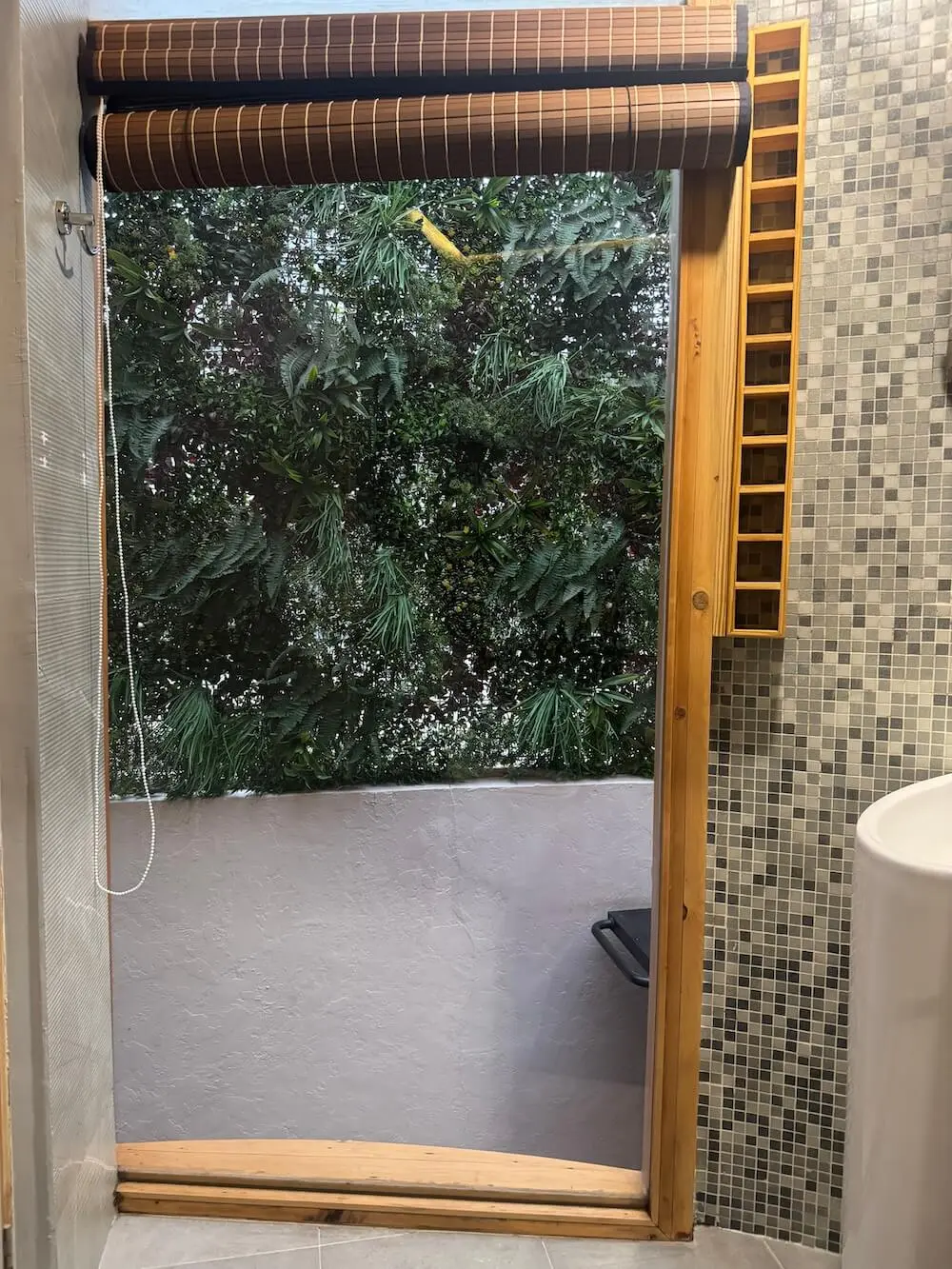
The storage solution I’m most proud of? Our shoe rack, tucked neatly behind the main door and capable of holding over 30 pairs without cluttering the space.
Interestingly, we never felt we overestimated space for anything. We decluttered intentionally and already leaned towards a lean household. Moreover, when the space is limited, impulse shopping loses its charm very quickly.
Utilities & On-Grid Living (By Choice)
We are mostly on-grid, and that was a conscious decision. Living inside the city, it simply made sense to use the reliable infrastructure already available.
Electricity, water, and internet come from municipal systems, which makes daily life easier and more predictable. The utility that requires the most mental energy is waste disposal, especially since waste management in Bangalore city isn’t always efficient, read up more online if you are interested to know the state of waste management in our city. It forces us to be mindful of what we consume and discard.
Honestly, nothing about utilities felt intimidating — more exciting than anything else.
Comfort Year-Round
- Coldest temperature experienced: 11°C
- Hottest: 35°C
- The single biggest comfort upgrade? Air conditioning.
Living with a Partner (and two Cats)

Living in a yurt teaches you many things- patience, communication, and the art of putting on headphones without taking it personally :)
Privacy comes from boundaries, not walls. Calls are taken outdoors when possible. Headphones are non-negotiable when one person is resting or working. Big purchases for the home are always discussed. The bed is made every day. The space is kept tidy ALWAYS (There is no off day for this one)
Arguments feel different too. You can’t slam a door and storm into another room during a fight. There is no other room. Instead, you evolve. You become more considerate, accommodating, and accepting.
Our cats absolutely love yurt life. They climb trees, chase birds and squirrels and even hunt them sometimes. In winter, they nap on the floor in perfect alignment with the sunbeams coming through the dome. And a few times we have even caught them watch us secretly from the roof, through the dome. Creepy.
Maintenance
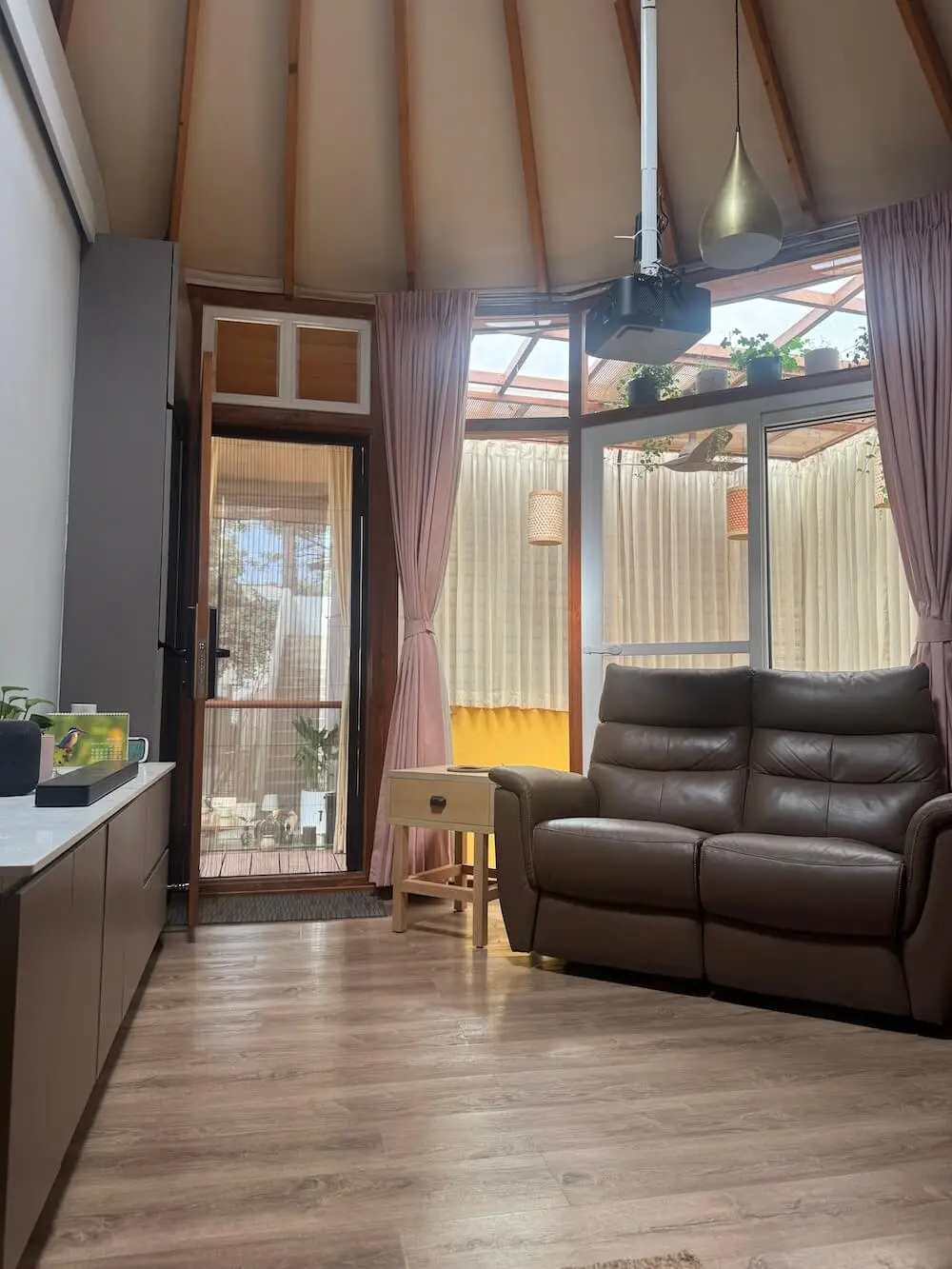
Maintenance is surprisingly straightforward. Plumbing and electrical systems function just like any regular home. The only additional upkeep is pressure washing the exterior once a quarter, off course, depending on dust and weather and the mood of my OCD partner.
Nothing has worn out unexpectedly. Our yurt came with a 10-year warranty, and after four years, it still feels as good as new.
Pros of Living in a Yurt 🟢

- A deep connection with natural light and outdoor living
- Minimalist habits come naturally- clutter simply doesn’t fit
- Living costs are similar to a concrete home, but the quality of life is far better
- You wake up with the sun and wind down with it (or at least try to do so)
- Full moons light up the space beautifully
- Maintenance costs are relatively low
One of my favourite moments that captures yurt life perfectly is a December winter morning — holiday season, warm pajamas, making coffee at dawn. If it’s too cold, we sip it indoors, but 99% of the time we’re outside. One cat naps on a cushion, the other curls up next to me, face resting on my lap or hand. It’s simple. And it’s perfect.
Cons & Challenges 🔴
- Peak summers and winters can be tough without the right air conditioning and heating systems. Wait.. have I forgotten its the same with other homes>
- Heavy monsoon rains can make calls and TV noisy. So always have a good soundbar (We have a Bose soundbar and a Apple home pod) and a good pair of ear buds
- In our yurt, there is no separate guest room or study due to space constraints. If you have bigger space, plan for a larger yurt with partitions or two connected yurts.
- Space planning is absolutely critical- poor floor plan decisions are hard to undo and can contribute to a very bad experience.
If there’s one thing I warn people about immediately, it’s this: Plan your space meticulously. If you don’t, you’ll regret it.
Living in a Yurt Year-Round
Many people romanticise the uniqueness of living. While it is special, it’s not for everyone.
People often worry unnecessarily about durability, safety, and space. These are valid concerns-but choosing the right manufacturer and planning thoughtfully solves most of them. Yurts can be built as basic tents or as premium, long-lasting homes. The difference lies in materials, design, and expertise.
If you are adventurous, plan meticulously, and enjoy nature connected spaces, the yurts are definitely for you.
Would I choose this again?
Absolutely. In fact, my dream is to live in a yurt on a farm someday, with an outdoor kitchen, and a view of paddy fields and mountains, surrounded by animals.
Compared to other pre-fab, tiny homes options available in the market, yurts offer something unique — hyper customisation, both inside and out.
Final Thoughts
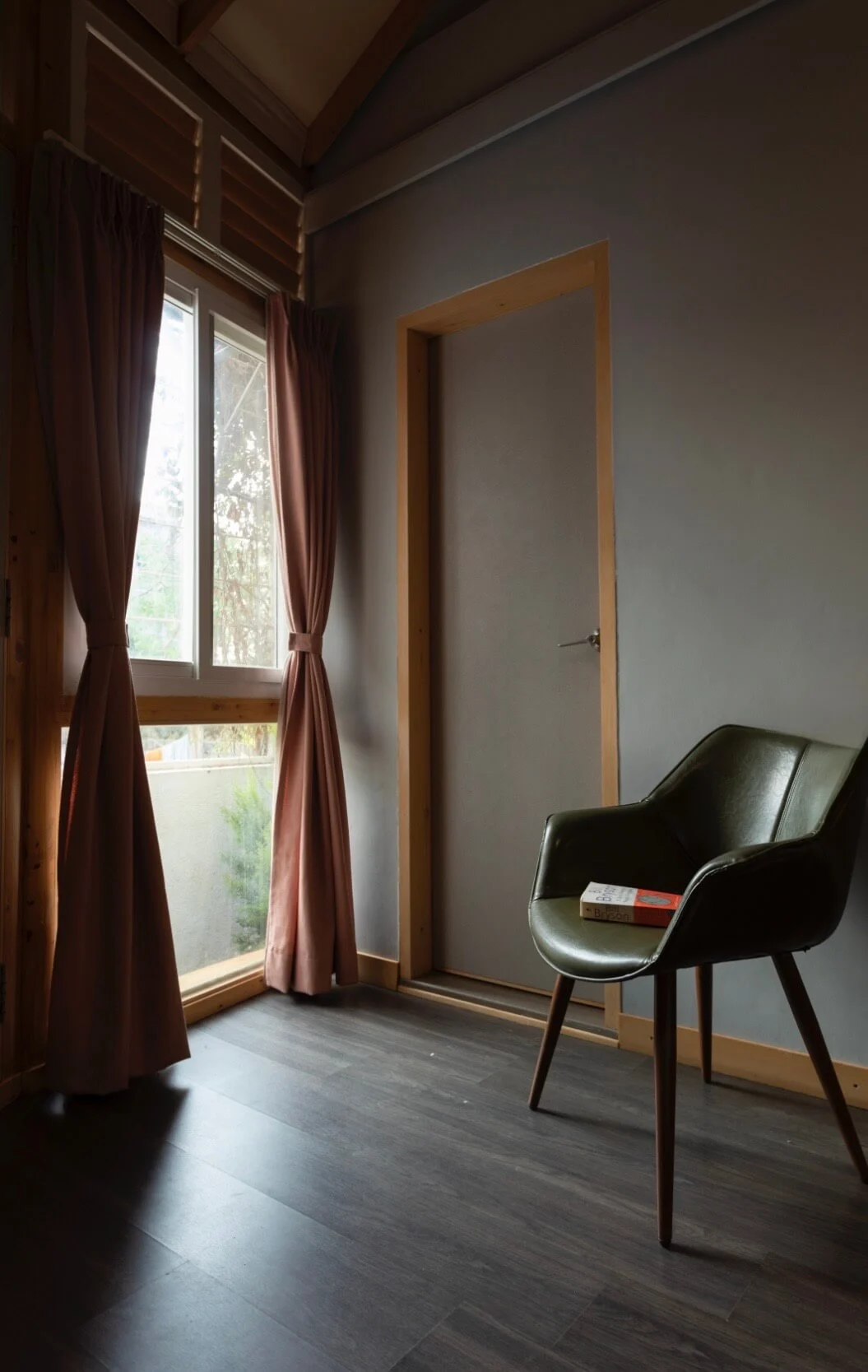
After four years, home to me is simple: A yurt, my partner, and our two cats.
Somewhere along the way, without us really noticing, the yurt stopped being “the yurt” and simply became home.
Not an experiment. Not an alternative lifestyle. Just home, the kind where mornings begin with sunlight spilling in, where coffee tastes better, cats purr, beer is cold, and the kitchen always has our comfort food.
If you had asked me back then whether I could live like this long term, I honestly wouldn’t have known. You don’t really know until you live it. But here we are, four years later, still choosing this life and choosing it gladly.
If you’re reading this while sitting on the fence, my advice is simple: explore. Look at yurts, tiny homes, prefab options, see what aligns with how you actually want to live, not just how homes are conventionally built. And when you do decide, choose your manufacturer wisely. Become friends with them. Share your fears, your requirements, your wild ideas. A good one won’t just build you a structure, they will help you build a home that fits your life.
If I were to do this all over again, I’d still choose the yurt, and I’d still choose the same people who built it for us. They were professional, very detail-oriented, and genuinely passionate about what they do. Also, living with someone who does this for a living has given me a front-row seat to the amount of thought, care, and precision that goes into building a yurt that’s meant to be lived in, not just admired.
Somewhere between design discussions and delivery timelines, they also became friends, the kind who now have a permanent place at our dinner table.
Do check out what others have to say about them.
Living in a yurt has given us light, harmony, intentional living, and a connection to the outdoors that feels like luxury we never take for granted.
And honestly, what more could we ask for?
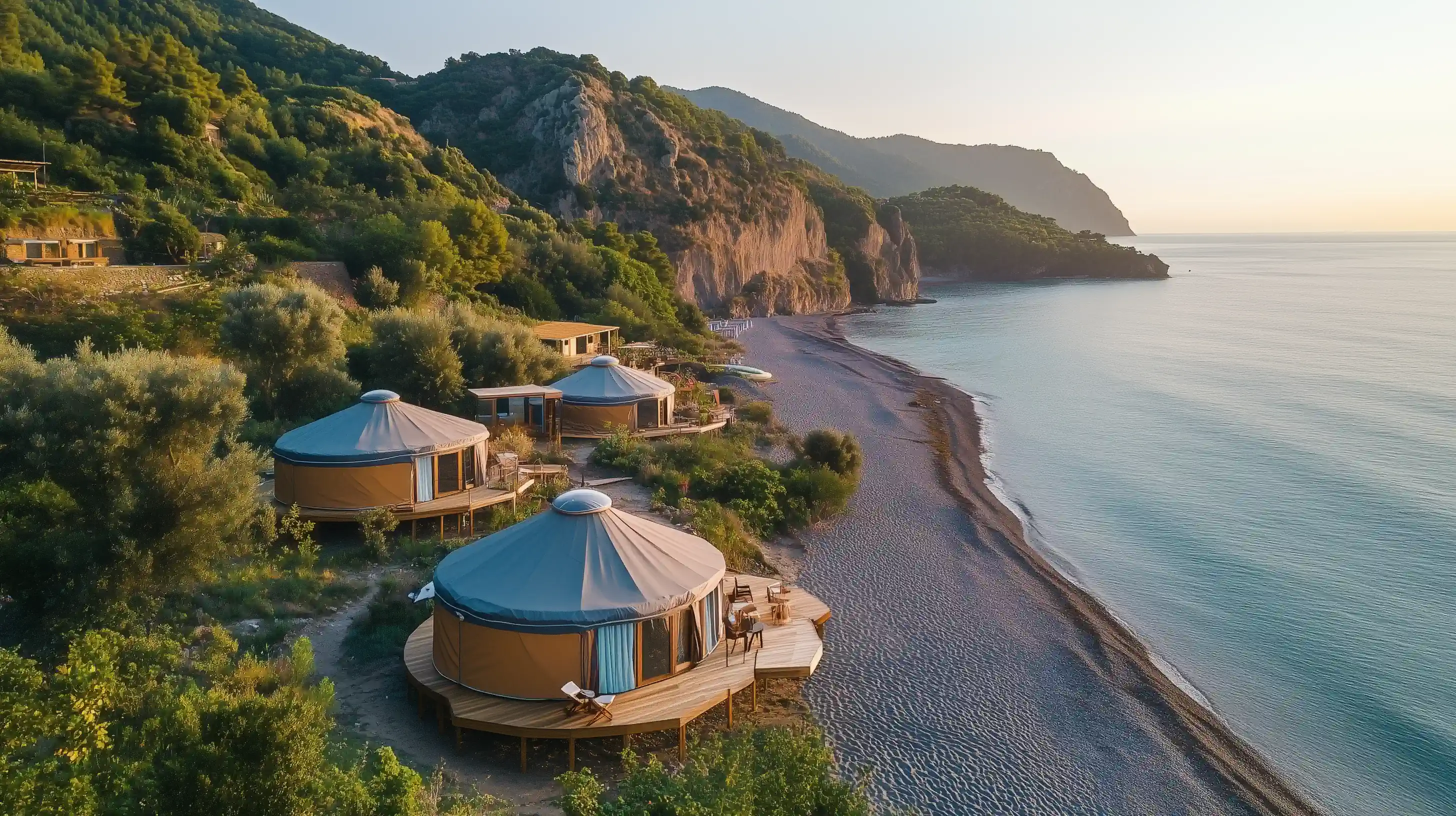
uniquely yours?
Explore Limitless options in our 3d yurt builder
and bring your vision to life
Share Blog
.jpg)
.jpg)
.jpg)
.jpg)
.webp)