

TL;DR
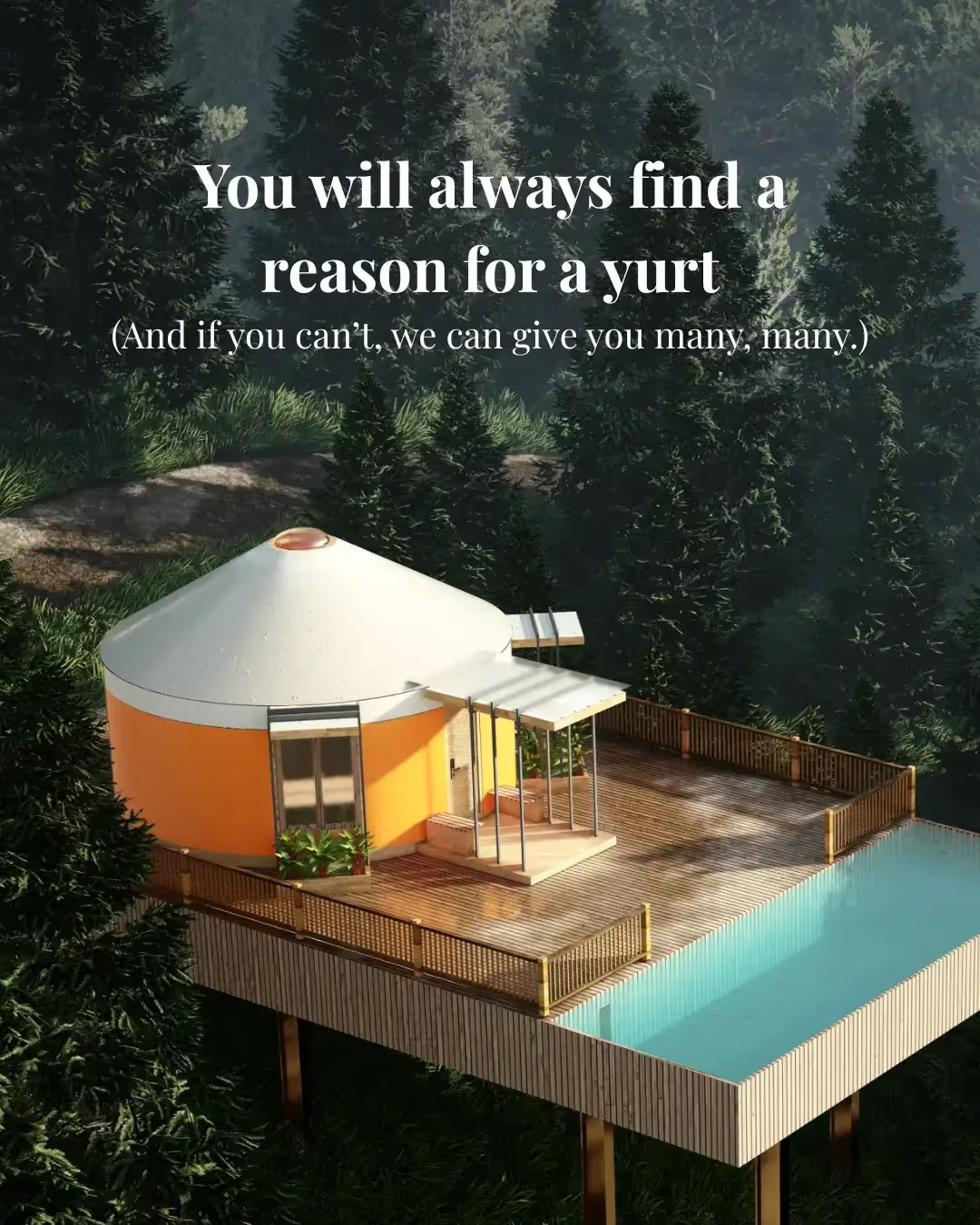
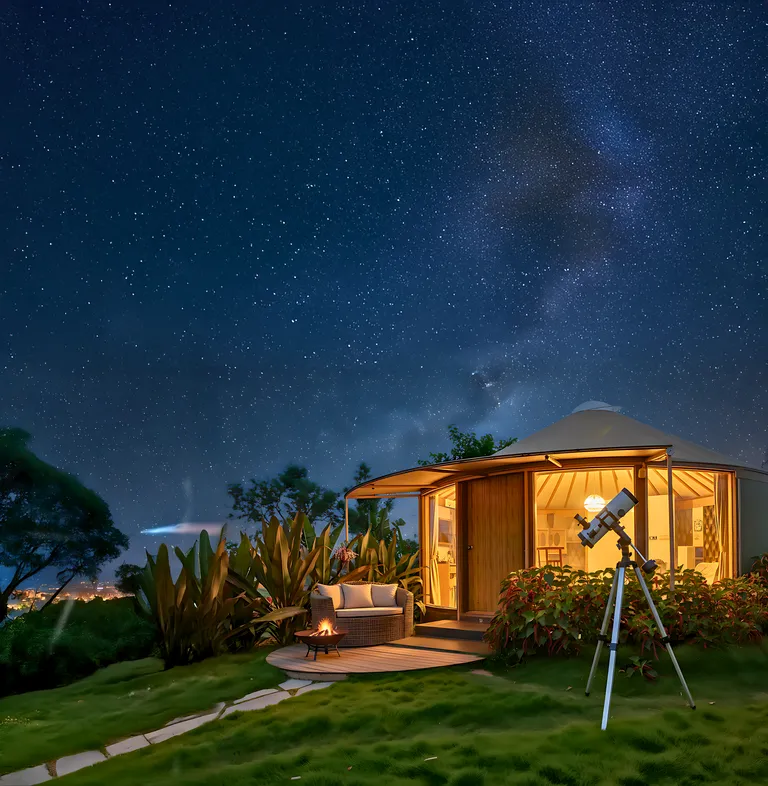
More people in the US, Canada, the UK, and Australia are choosing yurts for backyard homes, guest units, studios, and short stays. Not because they are temporary. But because they are faster to build, lighter on the land, and simpler to live with.
Buying a yurt isn’t just about picking a size and a colour. Before you put down a deposit, talk to your manufacturer about durability and safety, customisation options, installation and utilities, lead times and shipping, pricing and warranties, and whether you can see real‑world examples. These questions – drawn from my own experience of designing, ordering and living in a TOF yurt – will help you make an informed decision.
Your guide, not a sales pitch
A decade ago, I dreamed of building a round home that felt connected to nature. I fell for the romance of a yurt but rushed into a purchase without asking the basics. Later, when founding The Out Factory, I discovered how much mis‑information buyers wade through. The questions below are the ones I wish someone had put in front of me: they’re not meant to scare you, but to ensure your yurt journey starts on solid ground. Read them like advice from a friend who’s been there, not a salesperson.
1. What makes a Yurt durable and safe?
Start with the bones. A yurt’s longevity depends on its materials, engineering and weather performance. At TOF we use structural‑grade Canadian wood, treated to resist termites and fungus. Our high‑performance French fabrics block UV‑B rays, are flame‑retardant and waterproof, and carry a 10‑year warranty. Stainless steel and galvanised hardware ensure tension cables and fasteners don’t rust. Basically, you should be looking for materials that will withstand decades of sun, rain, snow and wind.
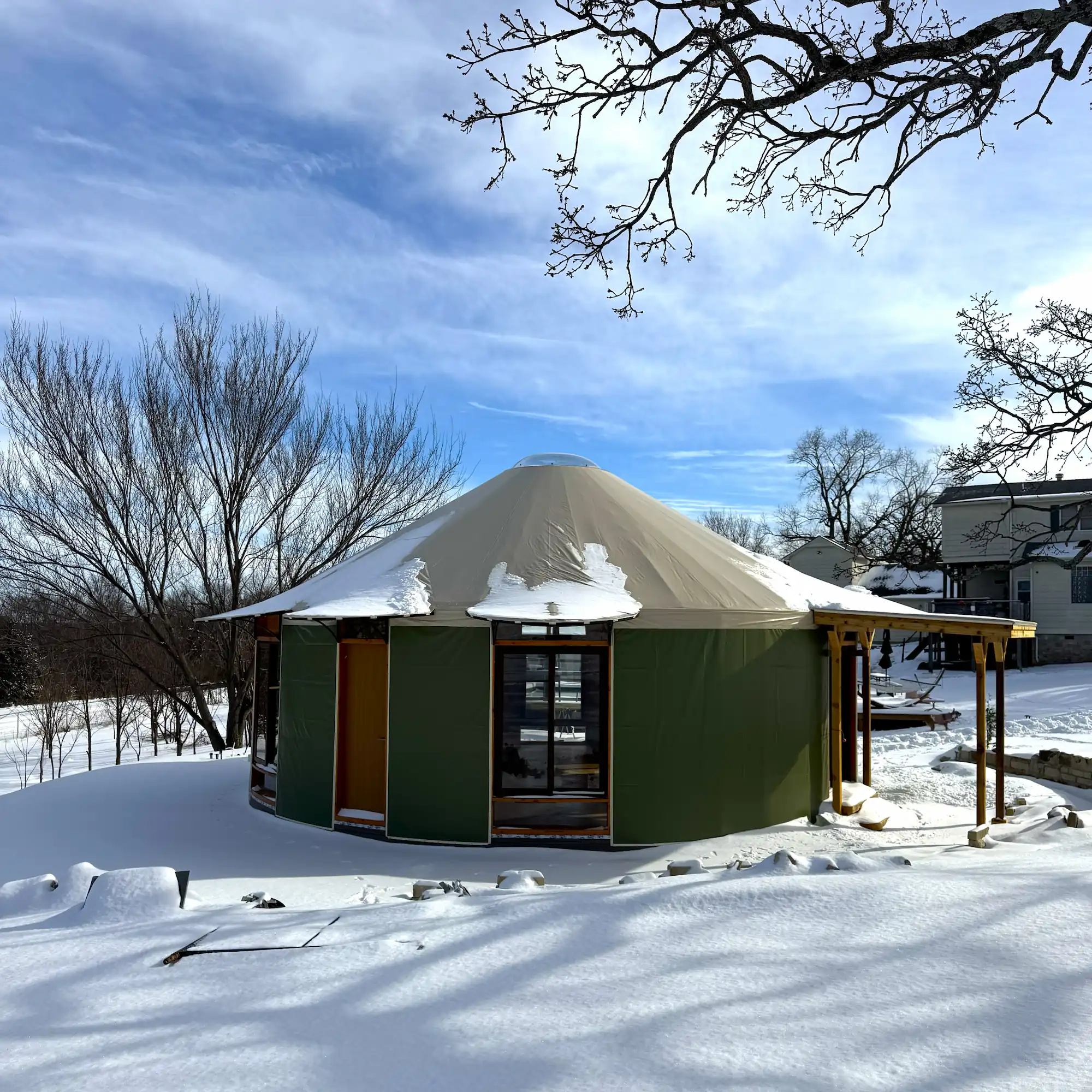
Durability isn’t just about materials; it’s also about design. High‑quality yurts are engineered to handle heavy winds and snow loads – TOF tests its structures for 280 km/h winds and up to 4 ft of snow. Built‑in insulation keeps interiors comfortable and prevents condensation.
Don’t assume a basic yurt will do well in winter or tropical heat. Ask what R‑value the insulation offers, how the dome ventilates hot air, and whether windows can be opened safely in a storm. I once installed a cheap fabric yurt as an experiment; after the first monsoon, the canvas sagged, and the frame warped. Spending a bit more on materials and engineering up front saved us countless headaches later.
2. How much can I customize my yurt?
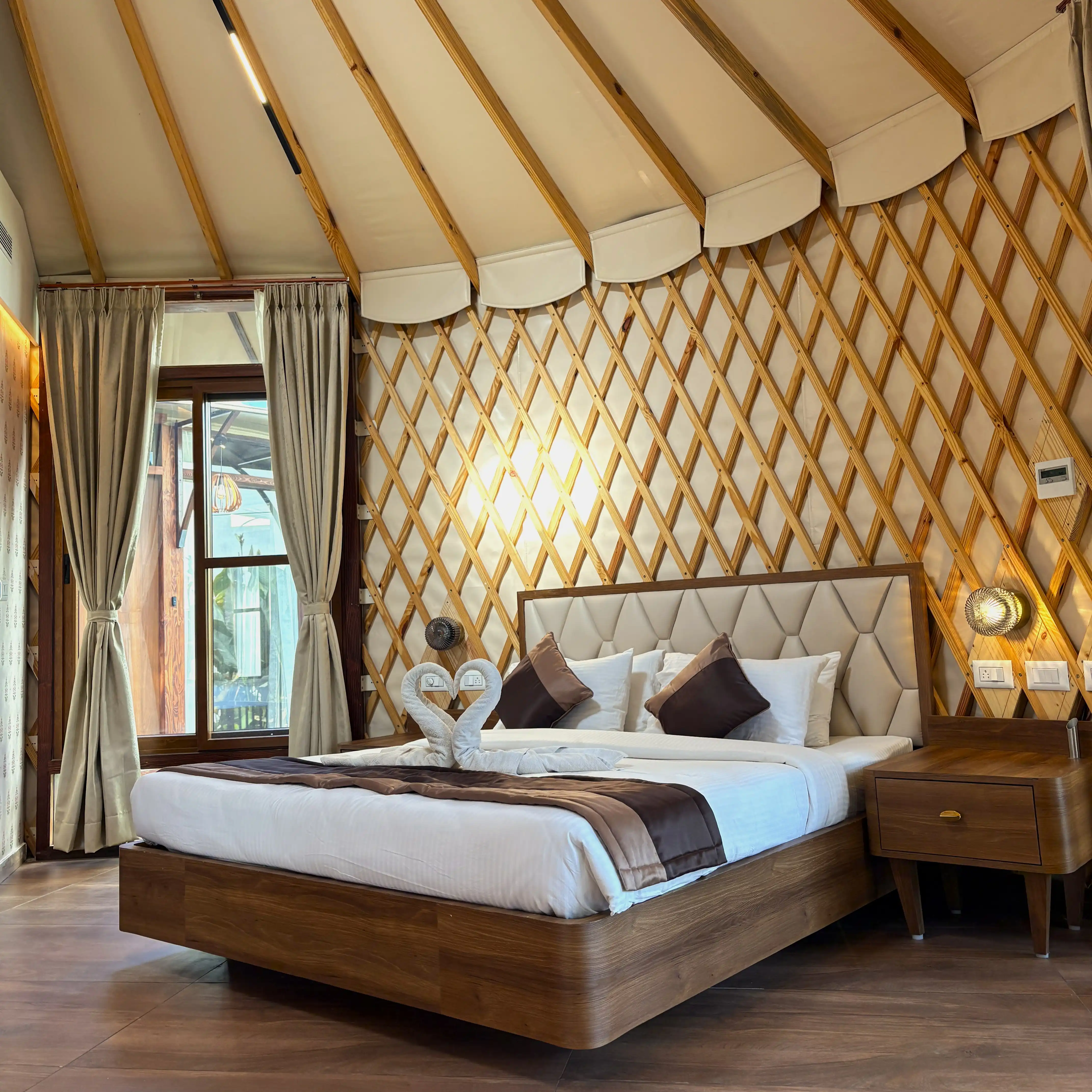
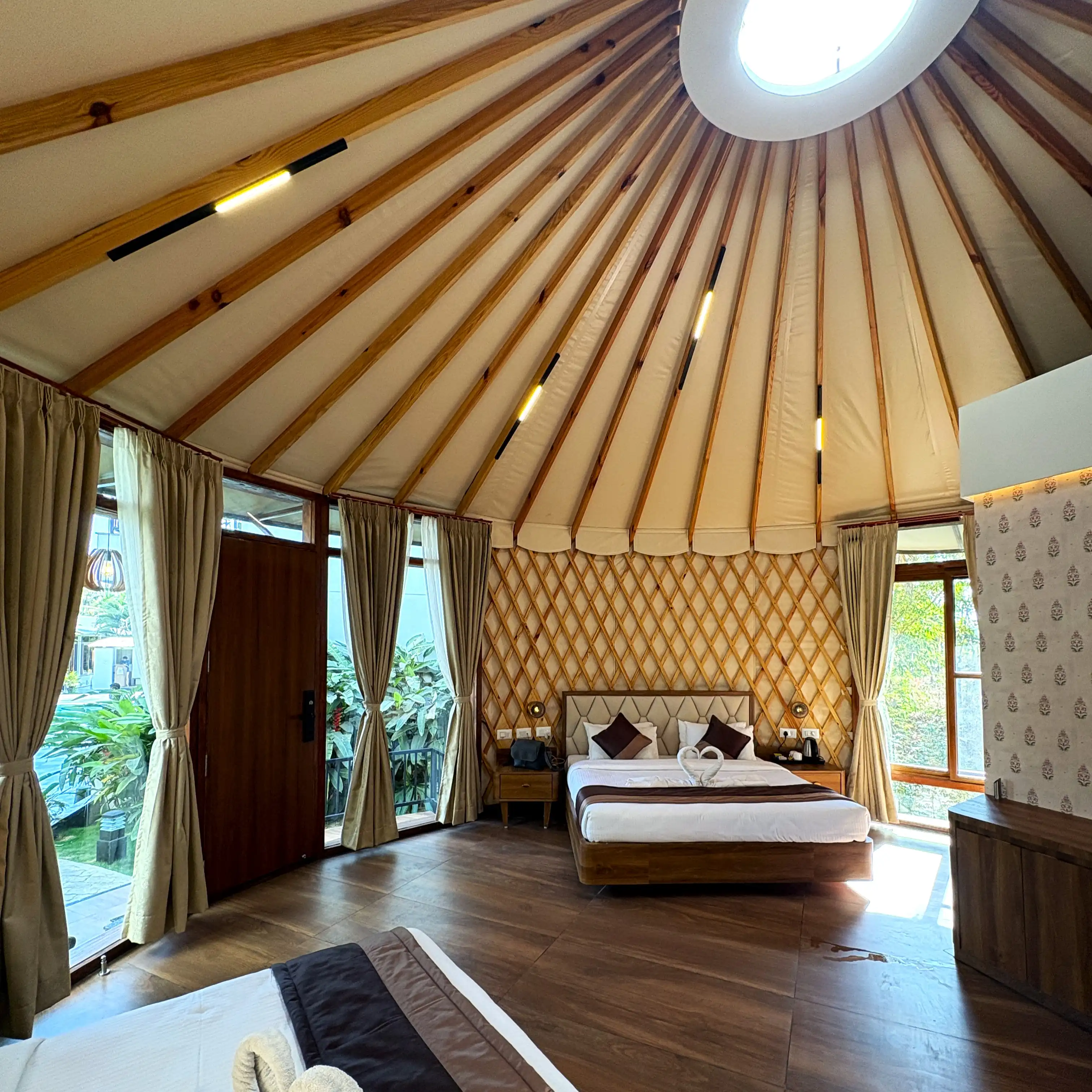
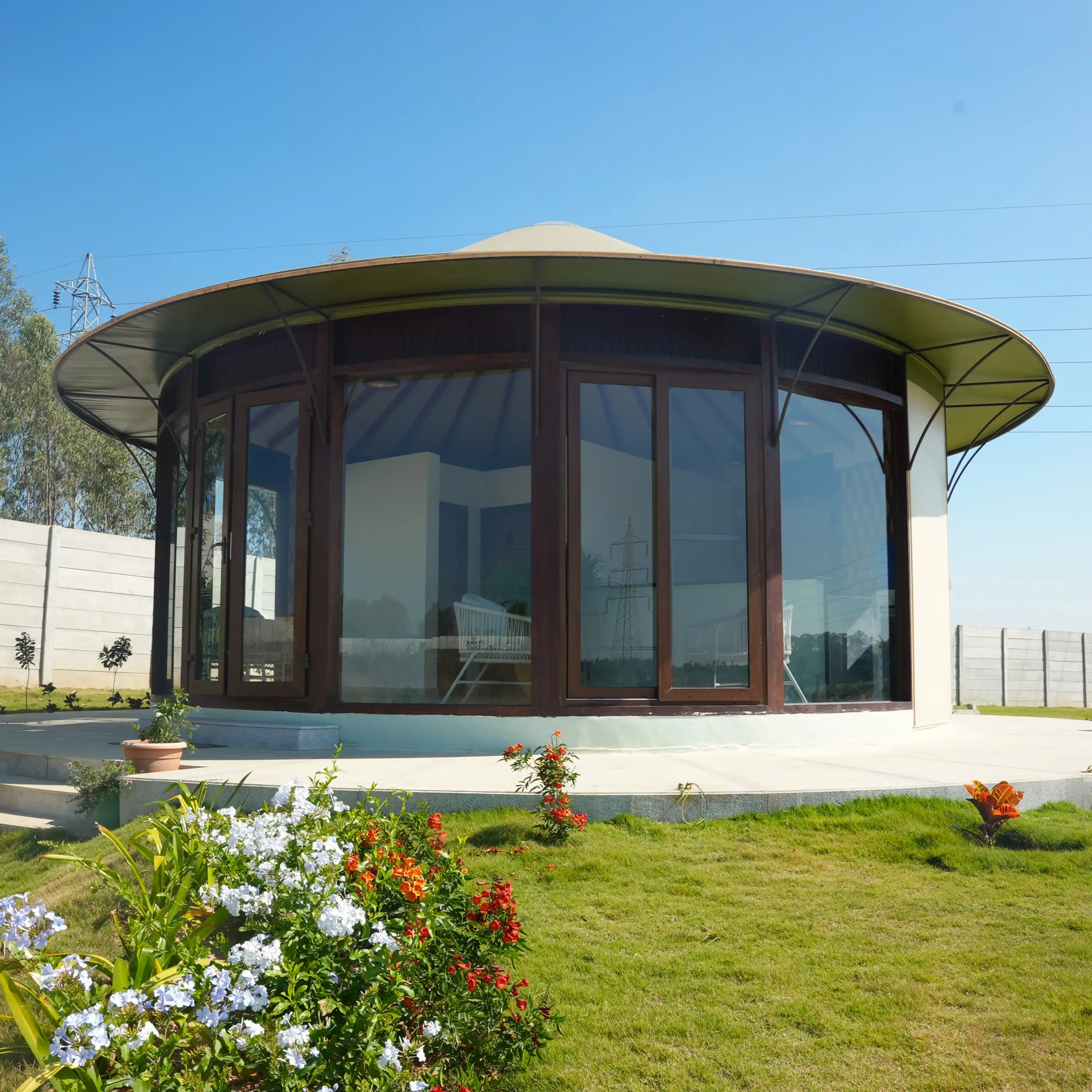
A good yurt feels like a custom home, not a cookie‑cutter tent. At TOF you can reposition windows anywhere along the wall, choose sliding or French balcony doors, and pick from dozens of colour combinations and overhang styles.
Want a giant glass wall facing the sunrise? A panoramic skylight? Remote‑operated dome openers? All possible.
The art is balancing aesthetics with function: more glass means more light but also more heat; bright colours make a statement but may fade faster. When I built my first yurt, I picked dark fabrics because they looked dramatic; later I realised lighter fabrics kept the interior cooler.
Also consider how the floor plan fits your lifestyle. Round rooms can be tricky to furnish. To help, TOF offers standard and custom floor plans and can adapt them for accessibility or pets. Spend time with the 3D Yurt Customizer to visualise door and window placements, wall heights and mezzanine options. Those decisions are much cheaper on paper than after the frame goes up.
3. Can a Yurt support bathrooms, kitchens, and utilities?
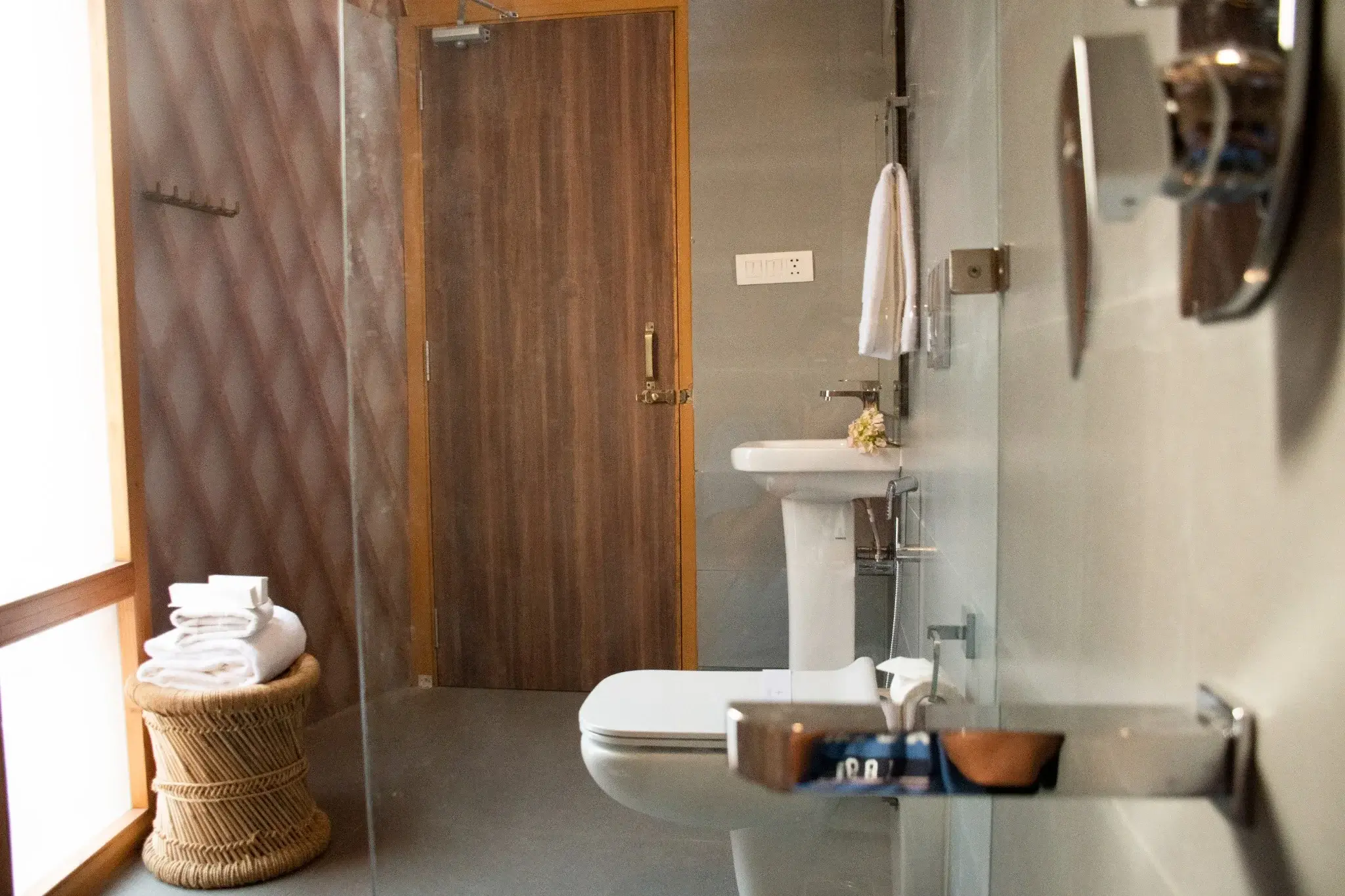
Yes. Modern yurts support full utilities. This includes:
- Electrical systems
- Plumbing
- Heating and cooling
- Ventilation systems
- Bathrooms and washrooms
The cleanest results come when utilities are planned before installation, not after. This keeps the interior organized, efficient, and clutter-free.
4. What does it take to install a yurt?
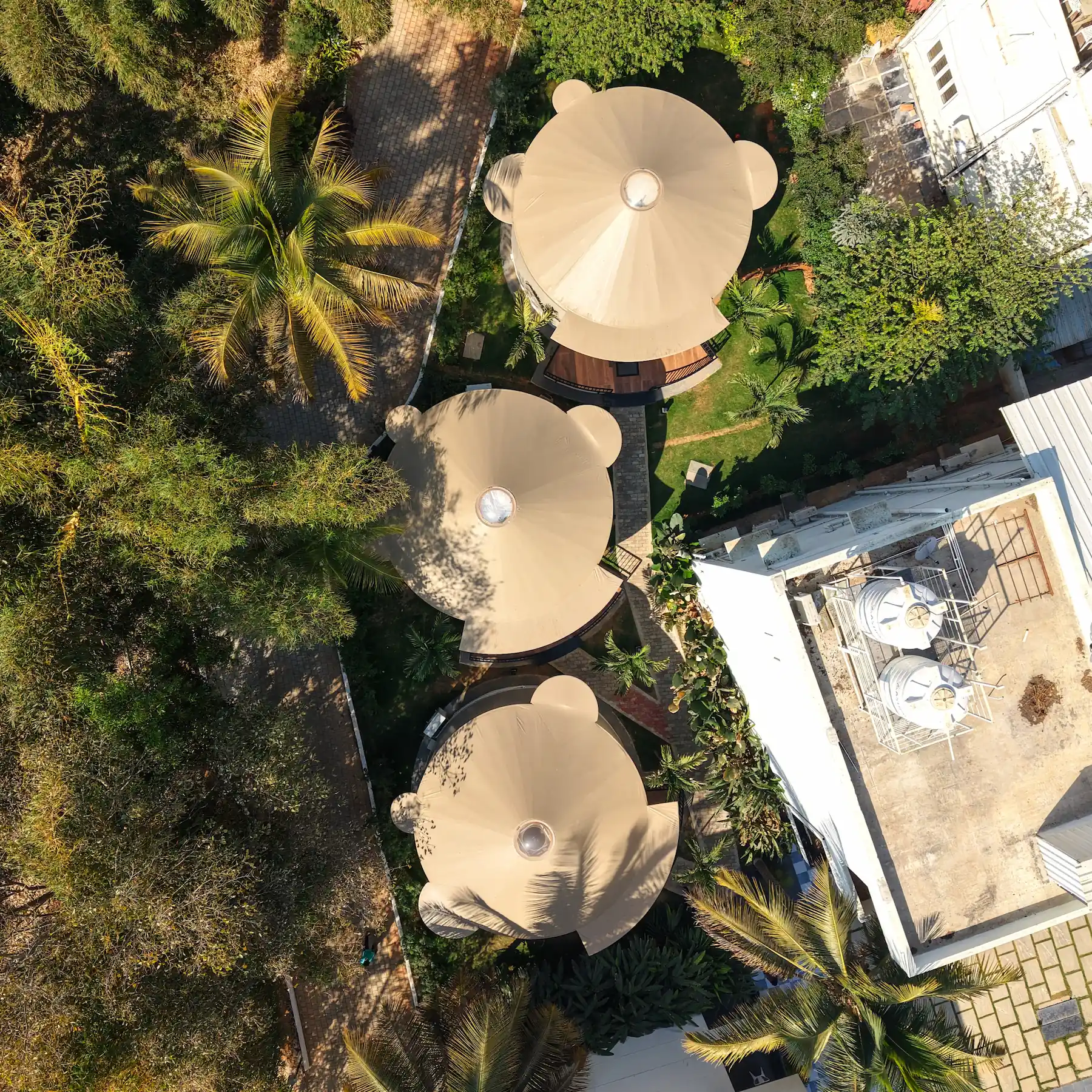
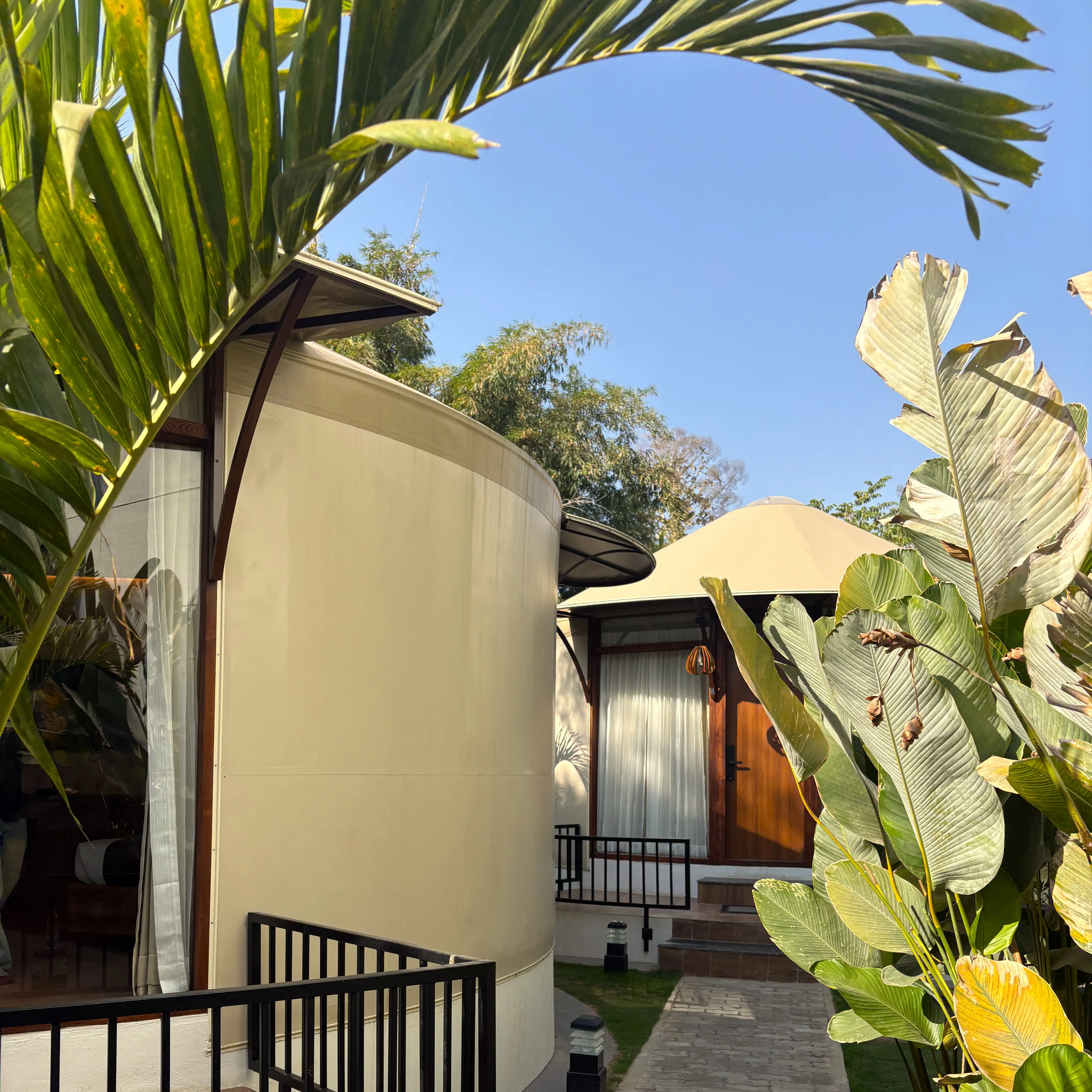
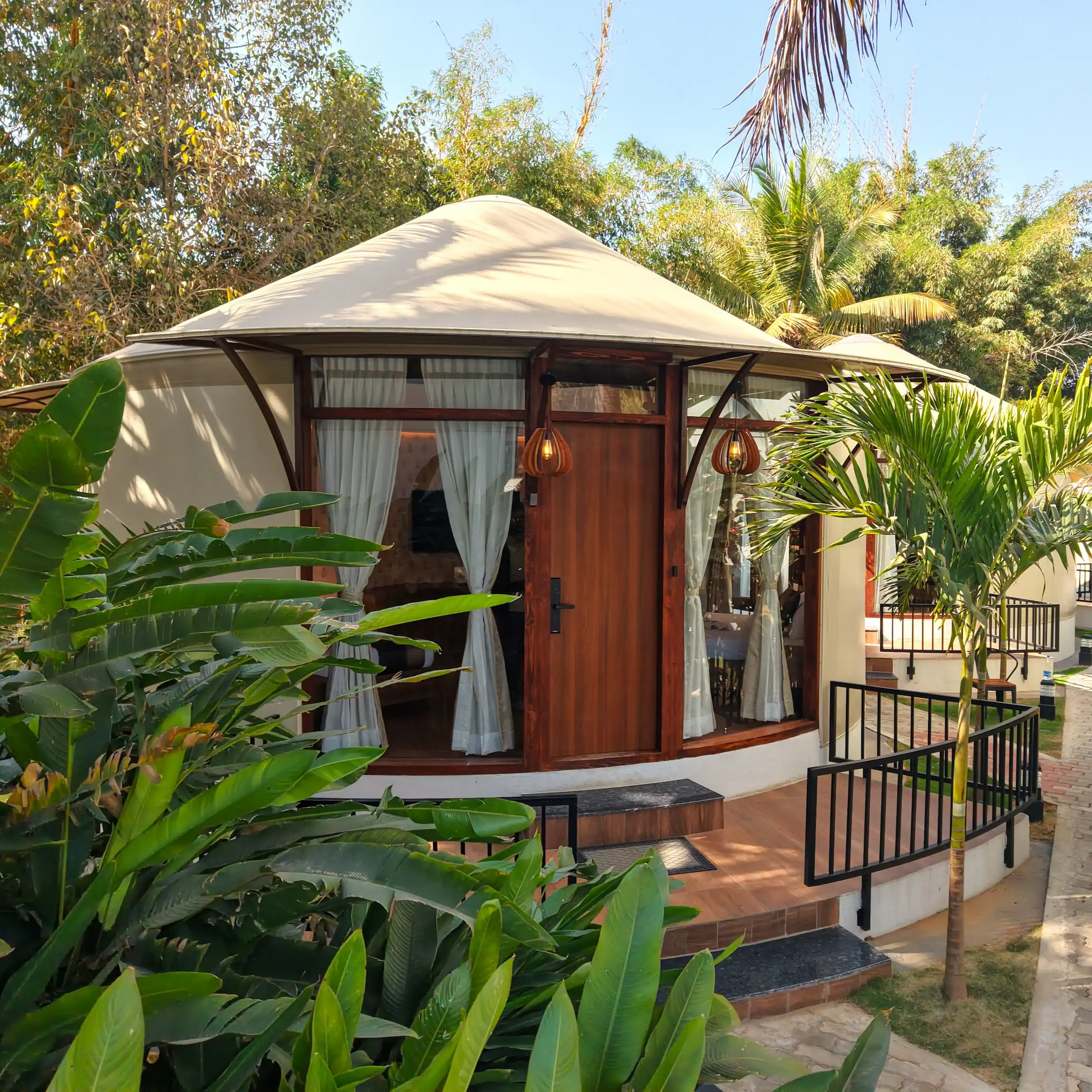
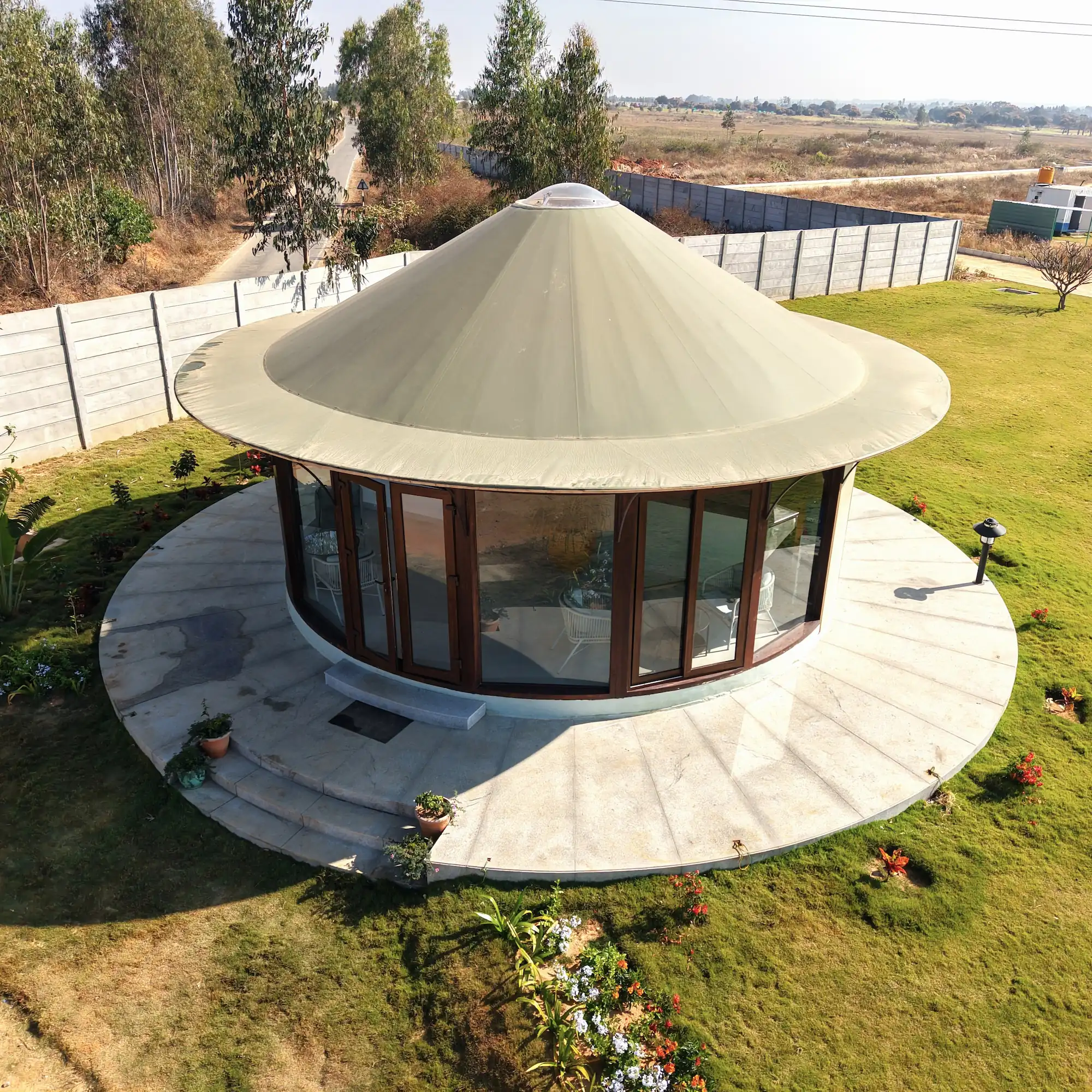
Despite their tent‑like appearance, permanent yurts sit on engineered platforms. You’ll need a level, well‑drained deck on piers or stilts; this foundation keeps the structure off damp ground and provides a pathway for plumbing and wiring. TOF supplies platform guidelines and a detailed foundation article.
Ask whether your manufacturer provides drawings you can take to a local engineer or permitting authority. My first platform cost almost as much as the yurt kit, but the investment was worth it – it kept our yurt dry during monsoon storms and allowed us to run pipes under the floor.
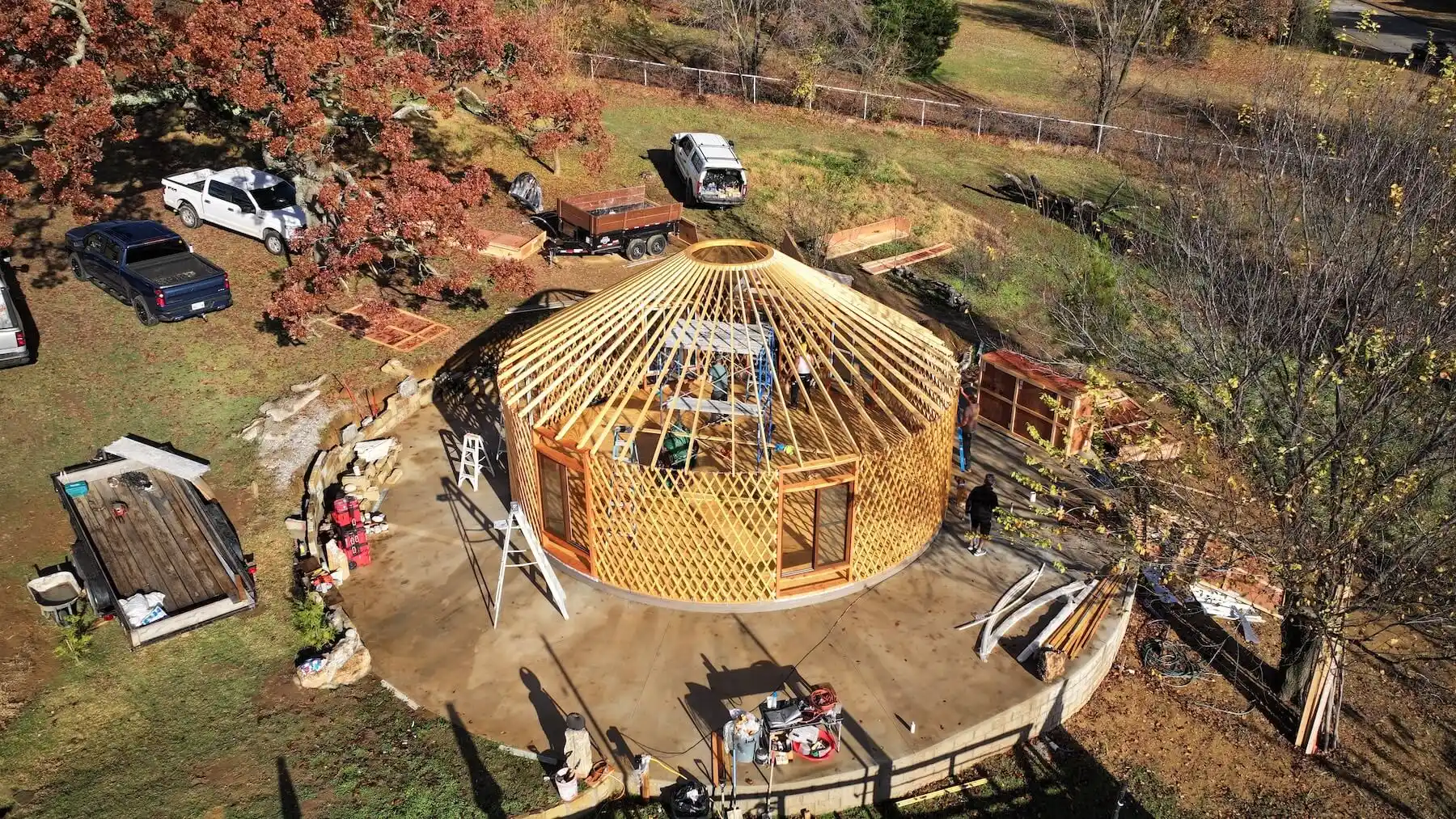
Installation itself is surprisingly quick; high‑quality yurts are designed for three‑day assembly by a small crew. However, electricity, plumbing and HVAC almost always require licensed professionals. Clarify what the manufacturer includes: some ship pre‑hung doors and labelled rafters, others send just a pile of lumber.
TOF pre‑routes electrical conduits within the frame and offers wood panels to hide wiring; plumbing lines run under the deck. It’s your job to decide where sinks, toilets and stoves will go and to coordinate with local trades. Underestimating this step can blow a budget. Another question to ask is, if they yurt can be installed by yourself.
5. Can I install a yurt myself?
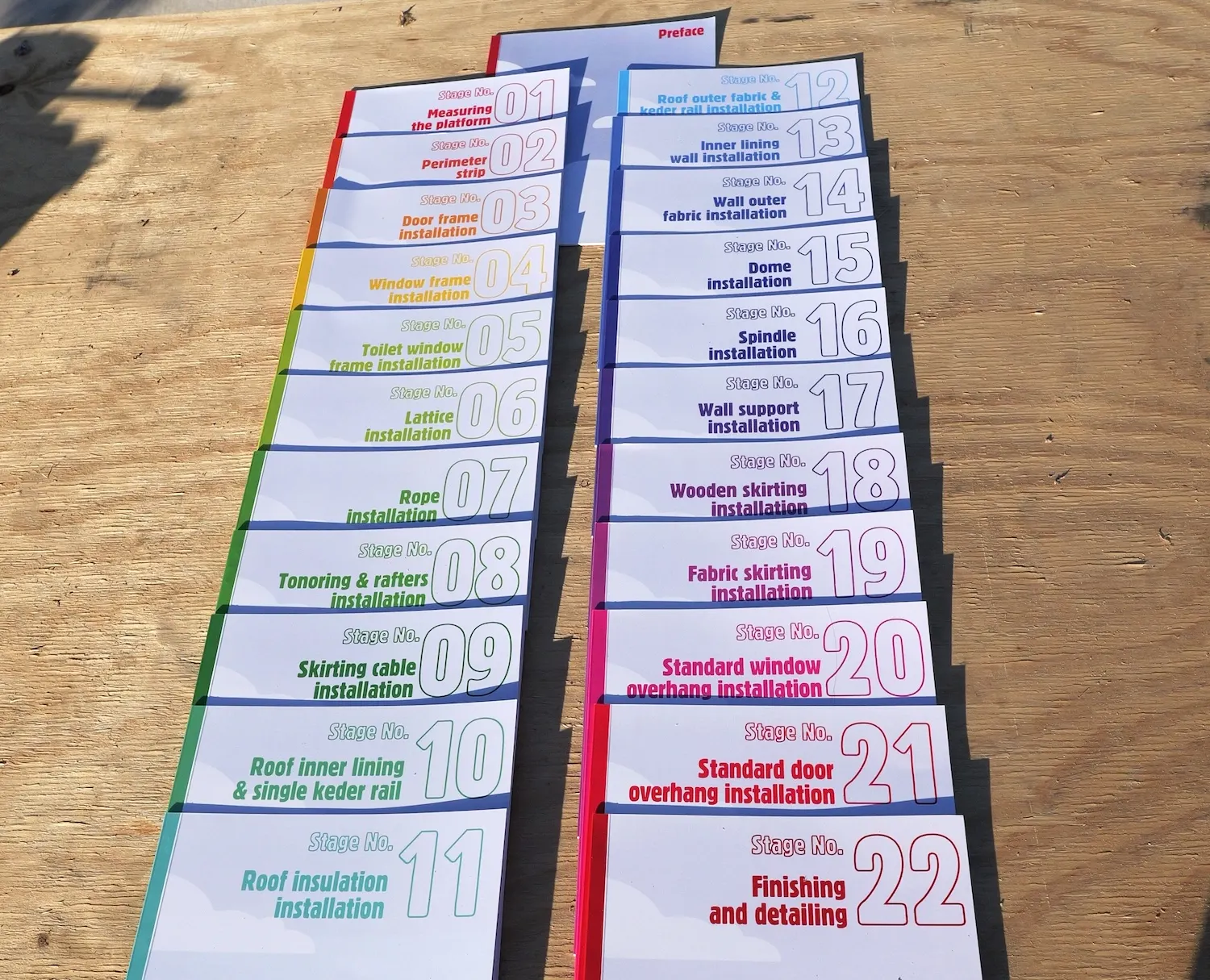
Many owners participate in the installation process. Some steps are well suited for DIY involvement. Others benefit from professional oversight.
Good manufacturers guide owners clearly so enthusiasm adds value instead of risk.
6. How do manufacturing, shipping and delivery work?
Yurts aren’t off‑the‑shelf. The best manufacturers build to order, which means lead times. At TOF we typically need six to seven weeks to build a single yurt and about 12–14 weeks for multiple units, plus 45–60 days for international delivery. Ask for a timeline and understand that custom colours or upgrades may extend it. Plan your foundation and site work during the wait.
Shipping can be more complex than you expect. We deliver yurts worldwide via 20 ft and 40 ft containers. Shipping costs and import duties are estimated but aren’t charged until the kit is ready, so customers can benefit from falling freight rates.
Ask which ports they ship to, whether door‑to‑door delivery is available and how damage is handled. The shipping crate for my first yurt weighed nearly two tonnes – I had to hire a crane to unload it. Make sure you know how you’ll handle the crate once it arrives.
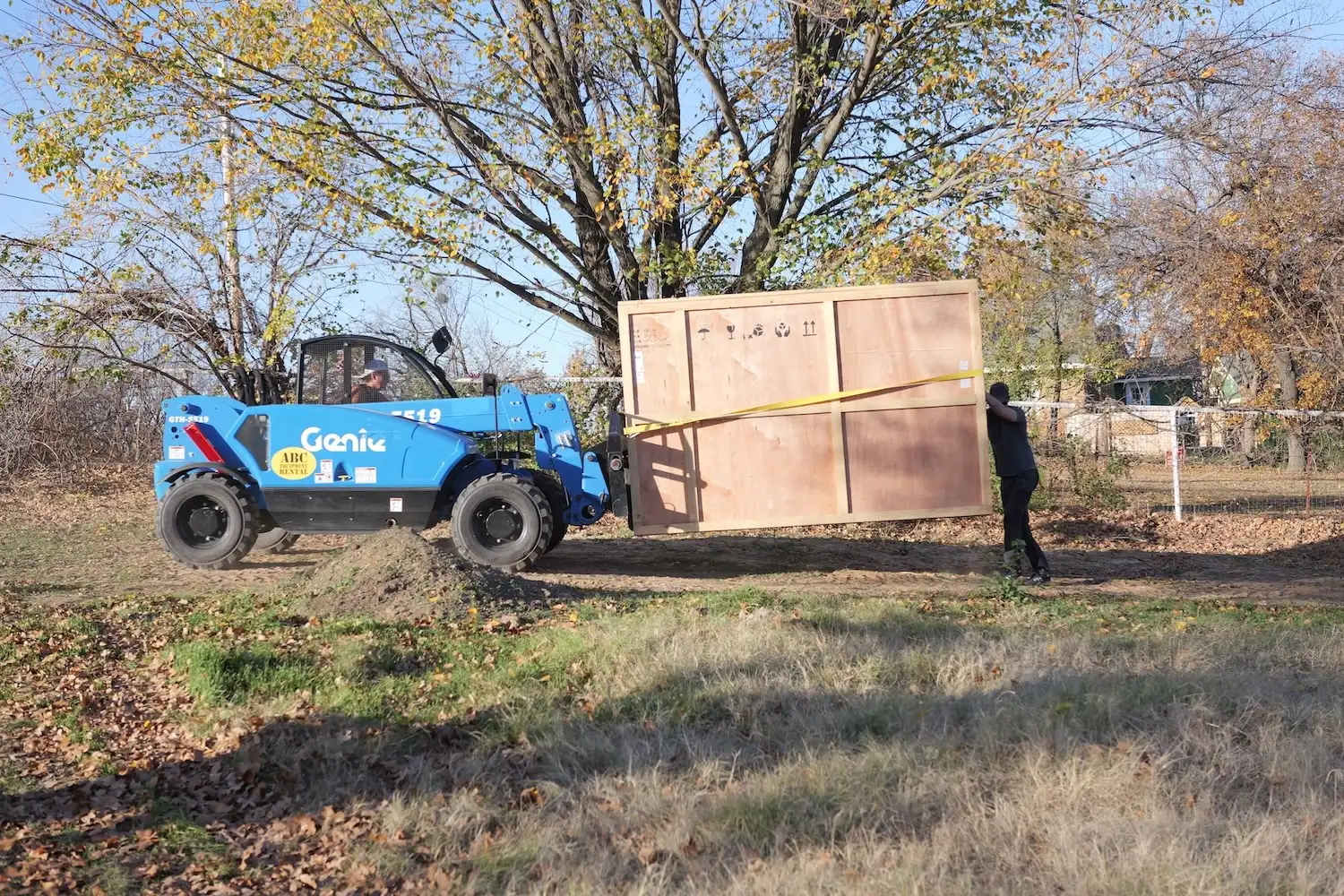
7. What’s included in the price – and what about warranties and after‑sales?
Yurt pricing can be confusing. A TOF kit includes everything- door and window frames, roof and wall fabric, a retractable dome, insulation and sliding UPVC windows. Most manufacturers show a base price, add upvc windows, insulation and some basics and kit costs soars through the roof. You need to budget for foundation, extra doors and windows, remote dome openers, blackout blinds, extra decks, connecting walkways .
All this adds to the cost. Don’t forget taxes, import duties, site preparation, plumbing, electrical, heating/cooling and furnishings. In my budget, the platform and utilities combined were equal to the cost of the yurt kit.
Warranties and payment policies vary widely. TOF offers a 10‑year warranty on structural components and outer fabric, and tests its yurts for extreme wind and snow. We require full payment before production but allow design changes up until manufacturing starts; cancellations aren’t allowed once production begins.
Ask your manufacturer for a written warranty and payment schedule and check if financing is available. Also ask about after‑sales support: will they supply replacement parts, share maintenance tips or help you retrofit a remote dome opener years later? Good manufacturers build relationships, not just yurts.
8. Can I see real examples and talk to other buyers?
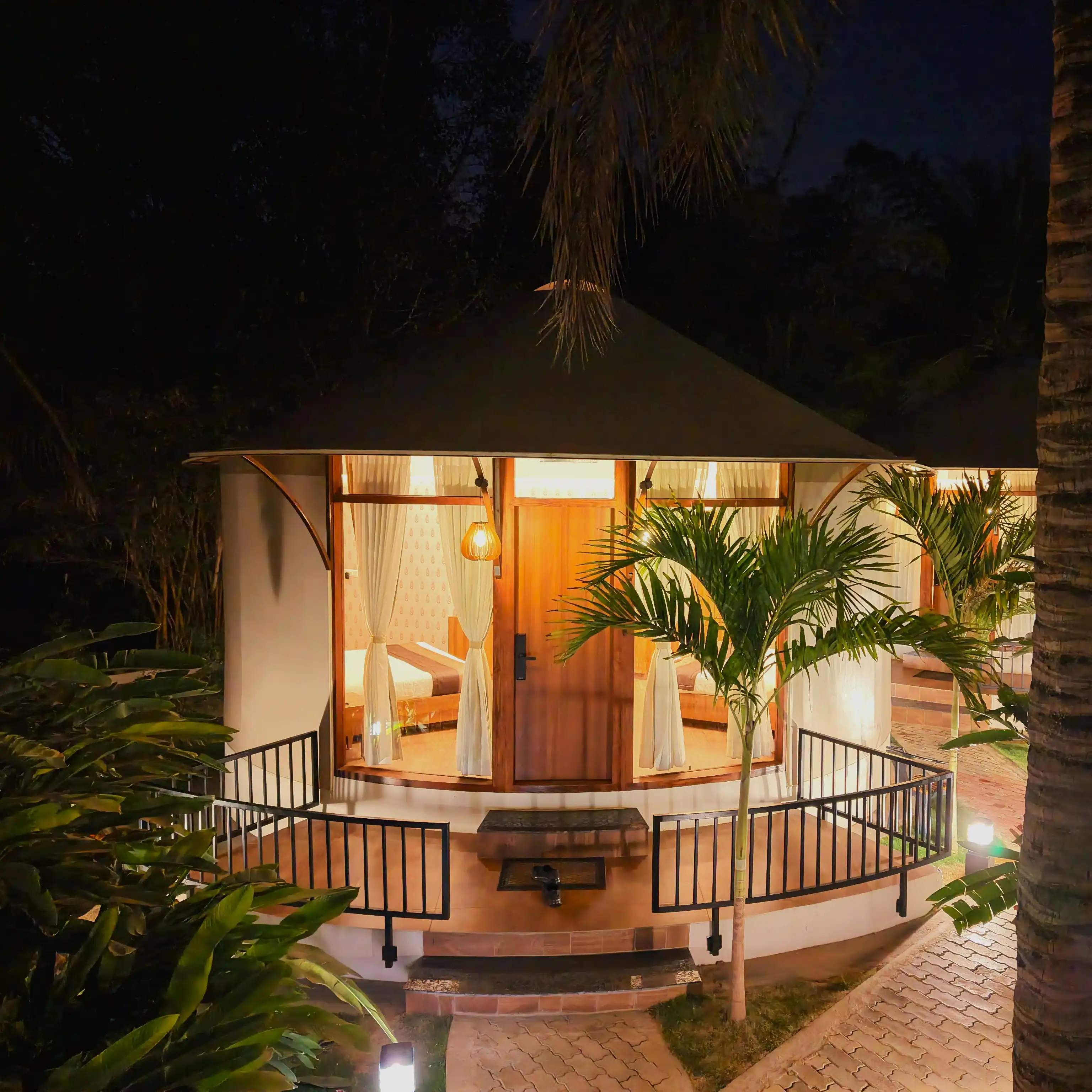
Before committing, step inside a finished yurt if you can. Many companies have demonstration models or experience centres; at TOF our guests can tour fully furnished yurts and try the 3D customiser. We can also connect you with past customers and share testimonials. Seeing how others have configured their yurts – from backyard studios and ADUs to glamping suites and cafés – will spark ideas and reveal practical considerations.
During my first visit to a yurt resort, I realised I wanted taller walls and bigger windows than I had originally planned.
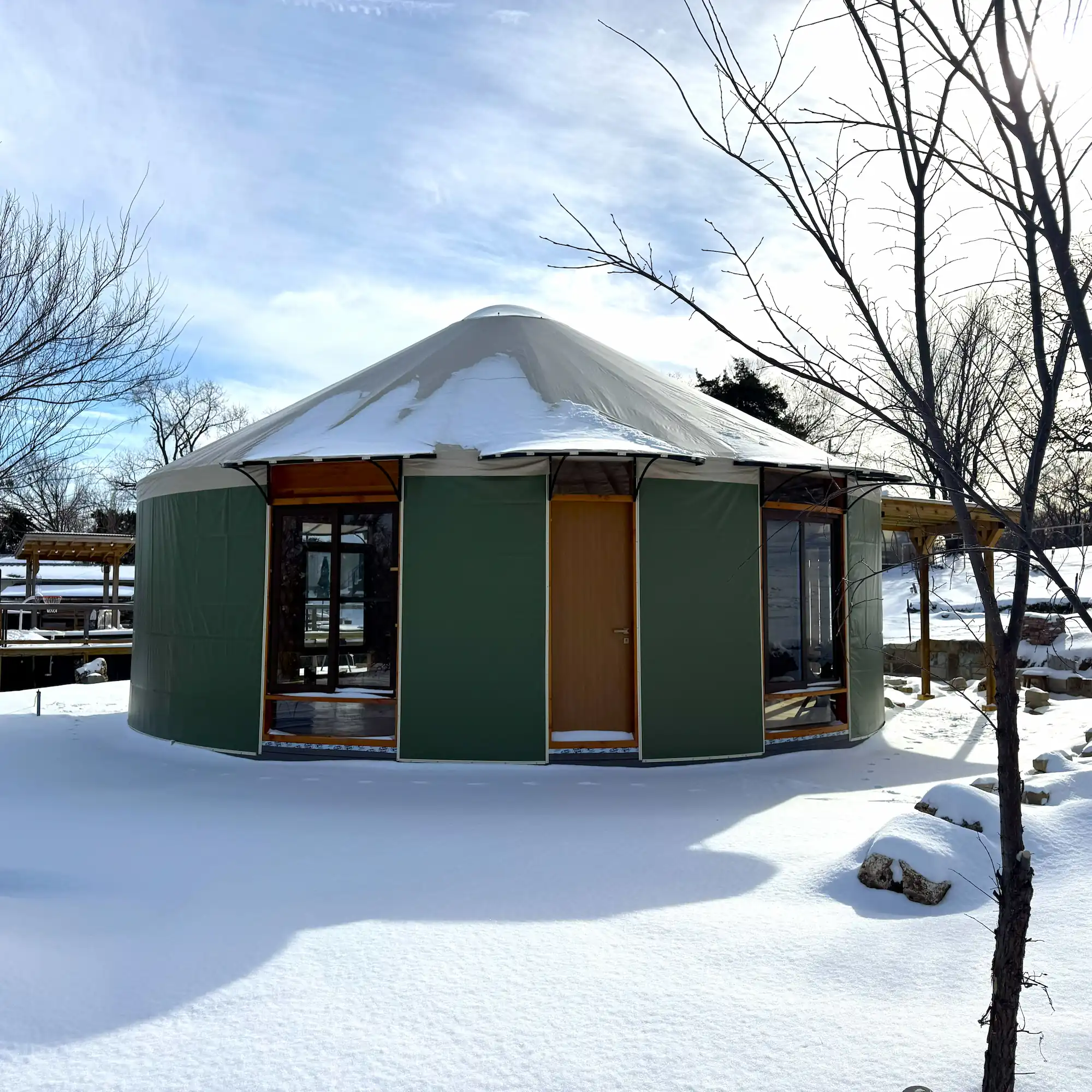
Real‑world stories help too. A family in Tulsa, Oklahoma built a 32 feet yurt in their back yard and built a paradise around their yurt. It's beautiful. They use it as a community wellness centre and conduct activities like sound bath, Qi gong and yoga for the community. Their advice: ask for a detailed cost breakdown and plan your layout before ordering.
Another family uses their 24 ft yurt as a backyard ADU for ageing parents; they installed accessible ramps and a composting toilet. Hearing these stories helped me see the yurt not just as a shelter but as a flexible space that evolves with life.
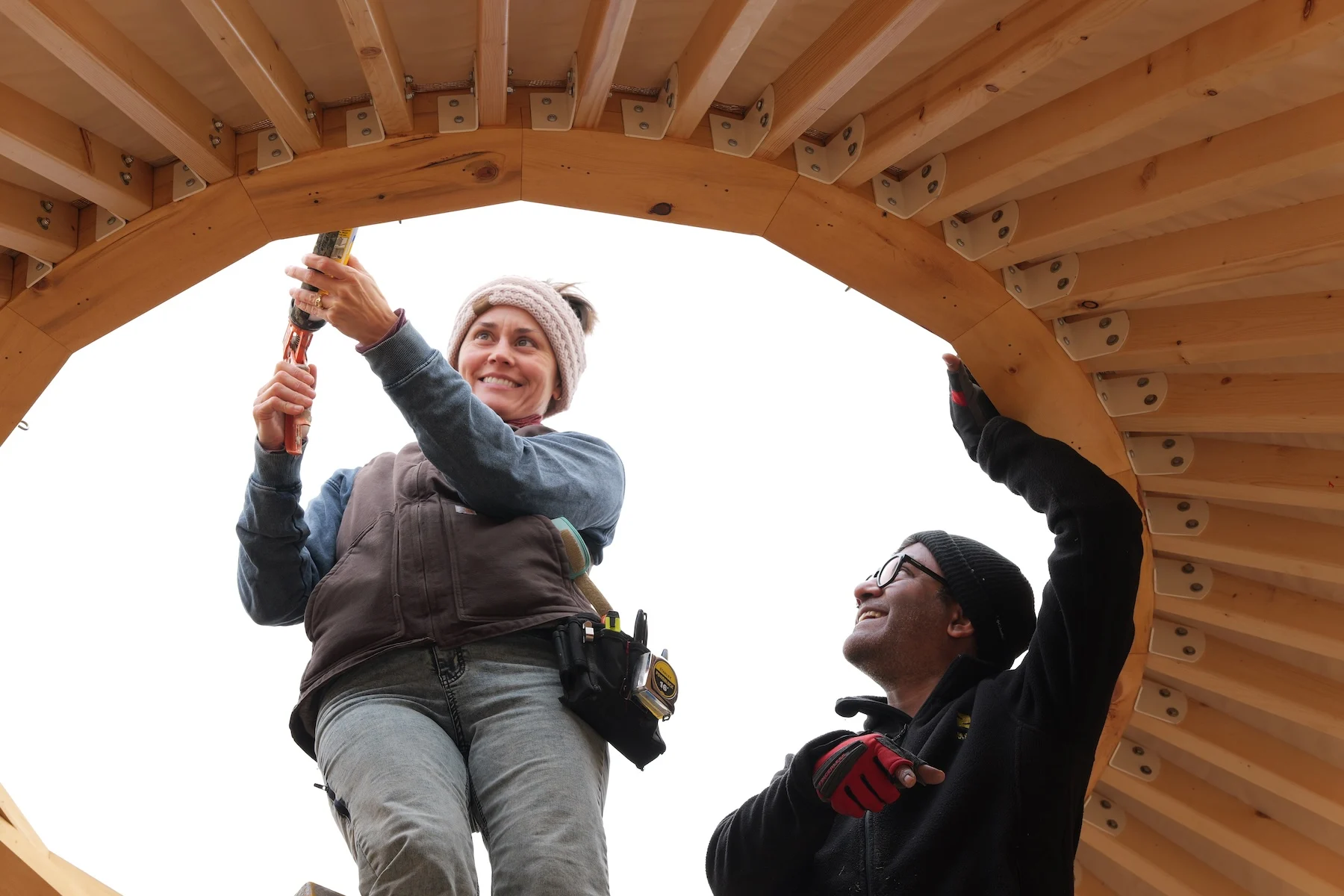
Final thoughts
A yurt is more than a tent, less than a house and something entirely its own. Asking the right questions up front turns a dream into a durable, functional and personalised reality. Focus on quality materials and engineering, thoughtful customisation, proper site prep, realistic lead times and transparent costs. Visit a model, speak with other owners and imagine how your needs might change over time.
When you’re ready to take the next step, explore designs with the 3D Yurt Customizer, check Yurt Pricing, read about global shipping and foundation preparation, and then get in touch. Unthink traditional walls; think circular, cozy spaces tailored to you.
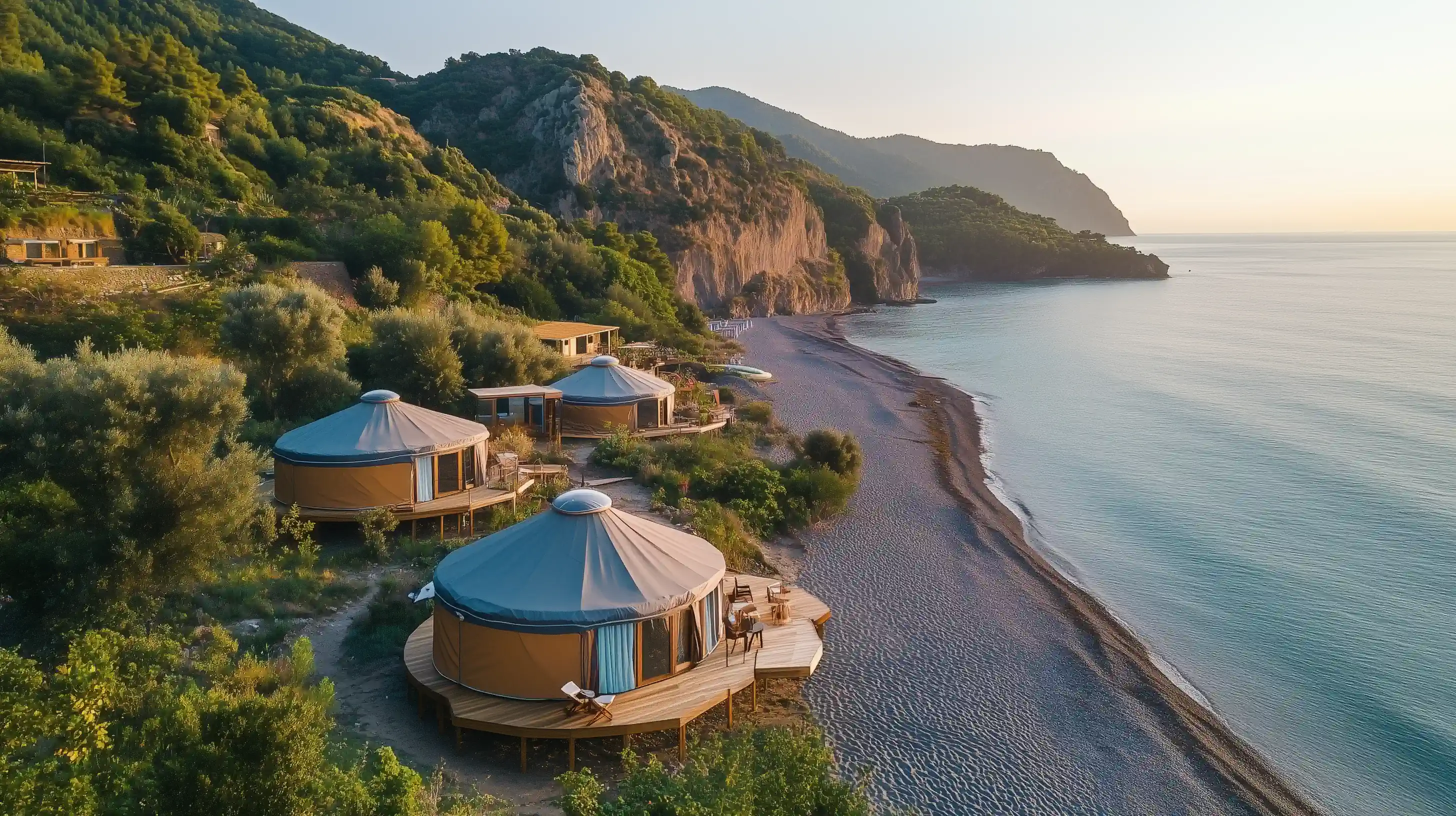
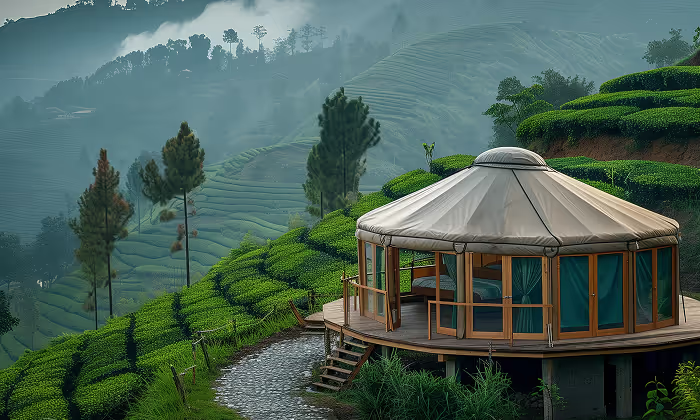
uniquely yours?
Explore Limitless options in our 3d yurt builder
and bring your vision to life

Share Blog
.jpg)
.jpg)
.jpg)
.jpg)
.webp)