




Maintenance & Safety for Yurt Wood Stoves – Your Essential Seasonal Checklist


Think of your wood stove as the high-performance engine of your winter yurt. It’s a powerful, reliable machine designed to work hard. And like any engine, it requires simple, regular maintenance to run safely, efficiently, and for a lifetime.
This guide is your official service manual. We’ll walk through the essential safety tools you need and provide a clear, seasonal checklist to make maintenance easy and effective.
Your "Safety First" Toolkit
Before we get to the checklist, let's talk about the three essential safety items that every yurt with a wood stove must have. These are not optional.
- A Carbon Monoxide (CO) Detector: Carbon monoxide is a colorless, odorless gas that can be produced by a malfunctioning stove. It is a silent killer. A battery-operated CO detector is an inexpensive, life-saving device that will alert you to any potential problems. Place it in your main living space, following the manufacturer's instructions.
- A Fire Extinguisher: This is your first line of defense in an emergency. You need a multi-purpose "ABC" rated fire extinguisher that is suitable for wood, paper, and electrical fires. Keep it in a visible, easily accessible location and ensure everyone in the yurt knows how to use it.
- A Wood Moisture Meter: This is the proactive safety tool that prevents problems before they start. The number one cause of dangerous creosote buildup is burning wood that is too wet. This simple tool has two metal prongs that you press into a piece of split wood. It gives you an instant digital reading of the moisture content. Your firewood should always have a moisture content of 20% or less.
The Seasonal Maintenance Checklist
This checklist is broken down by frequency to make it easy to follow.
1. Each Burn (The Quick Check)
- Check the Ash Level: Don't let ash build up to the point where it touches the bottom of the fire grate. This can cause the metal grate to overheat and warp. It’s actually good to maintain a 1-inch "ash bed" on the bottom of the stove, as this insulates the firebox and leads to a hotter, cleaner burn.
2. Weekly (The Routine Inspection)
- Clean the Stove Glass: A clean glass door isn't just for aesthetics; it's a diagnostic tool. If your glass is constantly getting covered in black soot, it's a sign that you are burning your fire at too low a temperature or your wood is too wet. A good "air wash" system will help, but a weekly wipe-down with a damp cloth or newspaper dipped in ash will keep it clear.
- Check Your Door Gasket: The woven rope gasket around your stove door creates an airtight seal. Close the door on a piece of paper. If you can pull the paper out easily, your gasket is too loose and needs to be replaced. A leaky gasket lets in too much air, leading to an uncontrolled, inefficient fire.
3. Monthly (The Deeper Look)
- Visually Inspect Your Chimney: From the inside, open your stove door and look up the first section of stovepipe with a bright flashlight. You are looking for a buildup of creosote, which can look like either flaky soot or a thick, tar-like glaze. If you can see more than 1/8th of an inch of buildup, your chimney needs to be cleaned.
- Check Exterior Components: Take a walk outside and look at your chimney cap. Ensure it is clear of any debris like leaves or bird nests. Check the storm collar (the piece that seals the top of the flashing) to make sure it is still tight and secure.
4. Annually (The "End of Season" Deep Clean)
This is the most important maintenance you will do. At the end of the cold season, a full clean-out prevents rust and ensures your system is ready for the next winter.
- Empty and Clean the Firebox: Remove all ash and soot from the inside of the stove. A wire brush can help remove any stubborn deposits.
- Clean the Chimney System: Disassemble the interior stovepipe sections and take them outside. Use a chimney brush to scrub the inside of each pipe, removing all creosote and soot.
- Inspect for Damage: Carefully inspect the stove body, the door gasket, the firebricks inside, and every section of your stovepipe for any signs of cracking or corrosion. Order and replace any parts that are worn out.
- Protect from Rust: In a damp yurt, bare metal can rust during the humid off-season. Some people like to wipe down the inside of the firebox with a lightly oiled rag or place a moisture-absorbing silica packet inside the clean stove.
The Most Important Job: The Annual Chimney Sweep
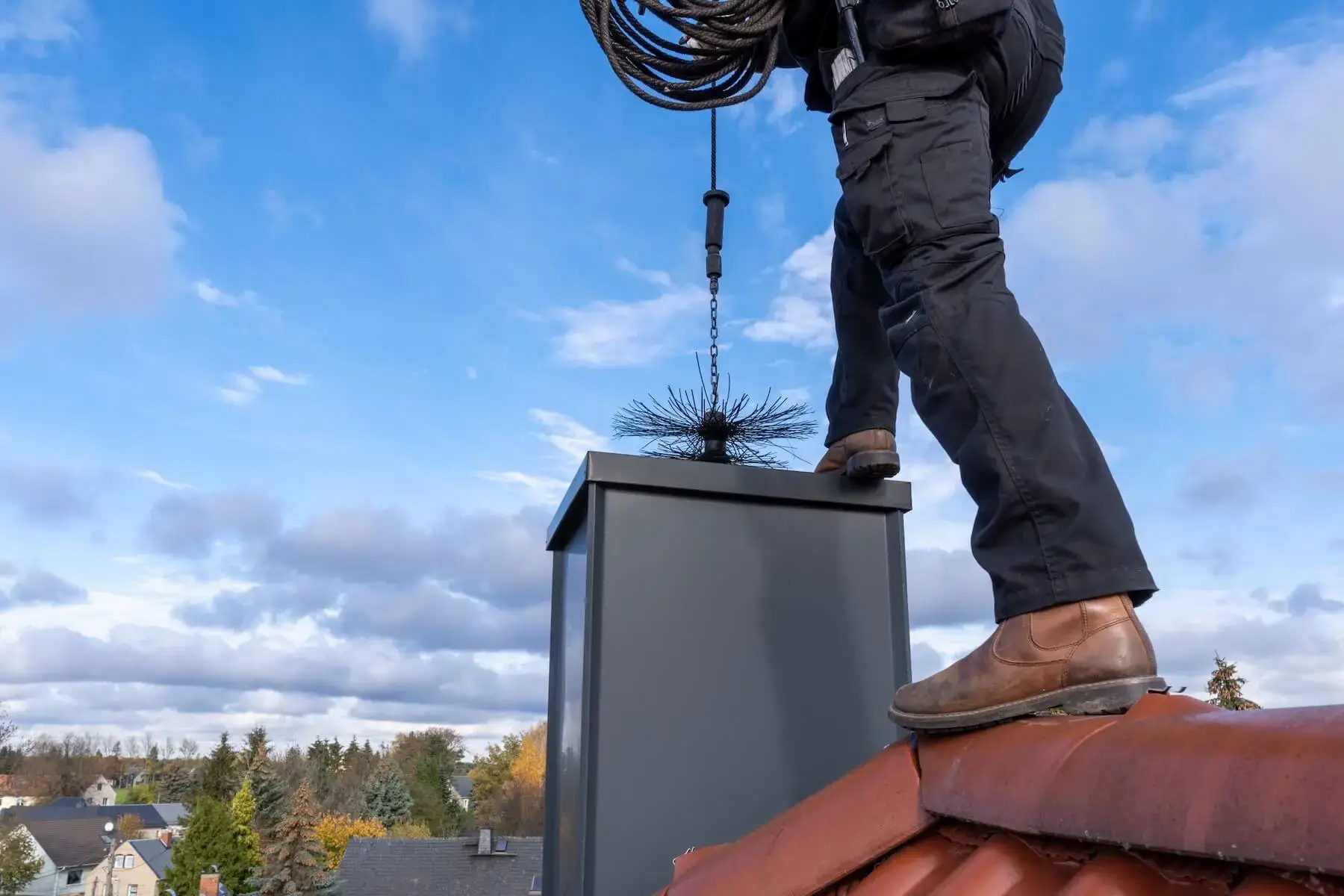
While you can and should do monthly inspections, there is no substitute for a professional. We strongly recommend hiring a professional, certified chimney sweep to perform a full, top-to-bottom cleaning and inspection of your entire system at least once a year.
Why? They have the professional tools and expertise to thoroughly clean the entire chimney stack, including the cap, and they can spot potential safety issues that an untrained eye might miss. The peace of mind this provides is invaluable, and it's the single most important safety task you can perform as a responsible yurt owner.
Conclusion: A Lifetime of Safe, Reliable Warmth
A high-quality wood stove is a lifetime investment. By embracing this simple routine of regular maintenance—just a few minutes each week and a few hours at the end of each season—you are not just protecting your stove; you are protecting your home and your family. This small investment of time is the key to decades of safe, reliable warmth and the continued enjoyment of your magical winter yurt.
Read Next:
1. How to Safely Install a Wood Stove in Your Yurt – Ultimate Guide
2. Hot Tent Stove vs. Yurt Stove – Which one to Choose?
FAQs
1. How often do I really need to get my chimney professionally swept?
At a minimum, once a year. If you use your yurt and stove full-time all winter long and are burning a lot of wood, you should consider having it done twice: once before the season starts and once in the middle of winter.
2. What's the safest way to dispose of hot ashes?
Never put hot ashes in a plastic bucket, a cardboard box, or on a wooden deck. They can retain heat for days and cause a fire. The only safe way is to scoop them into a dedicated metal ash bucket with a tight-fitting lid. Place the bucket outside on a non-combustible surface (like dirt, stone, or concrete) far away from your yurt for several days to ensure the coals are completely cold before final disposal.
3. Can I clean my own chimney?
Yes, you can buy chimney sweeping kits and learn to do it yourself. However, for the first few years, we highly recommend hiring a professional. You can watch them work, ask questions, and learn the proper technique. A professional sweep is also an important part of ensuring your system is safe and compliant for insurance purposes.


uniquely yours?
Explore Limitless options in our 3d yurt builder
and bring your vision to life
Share Blog









.jpg)
.jpg)
.jpg)
.jpg)

.webp)