




How to Choose a Wood Stove for your Yurt – An International Buyer's Guide


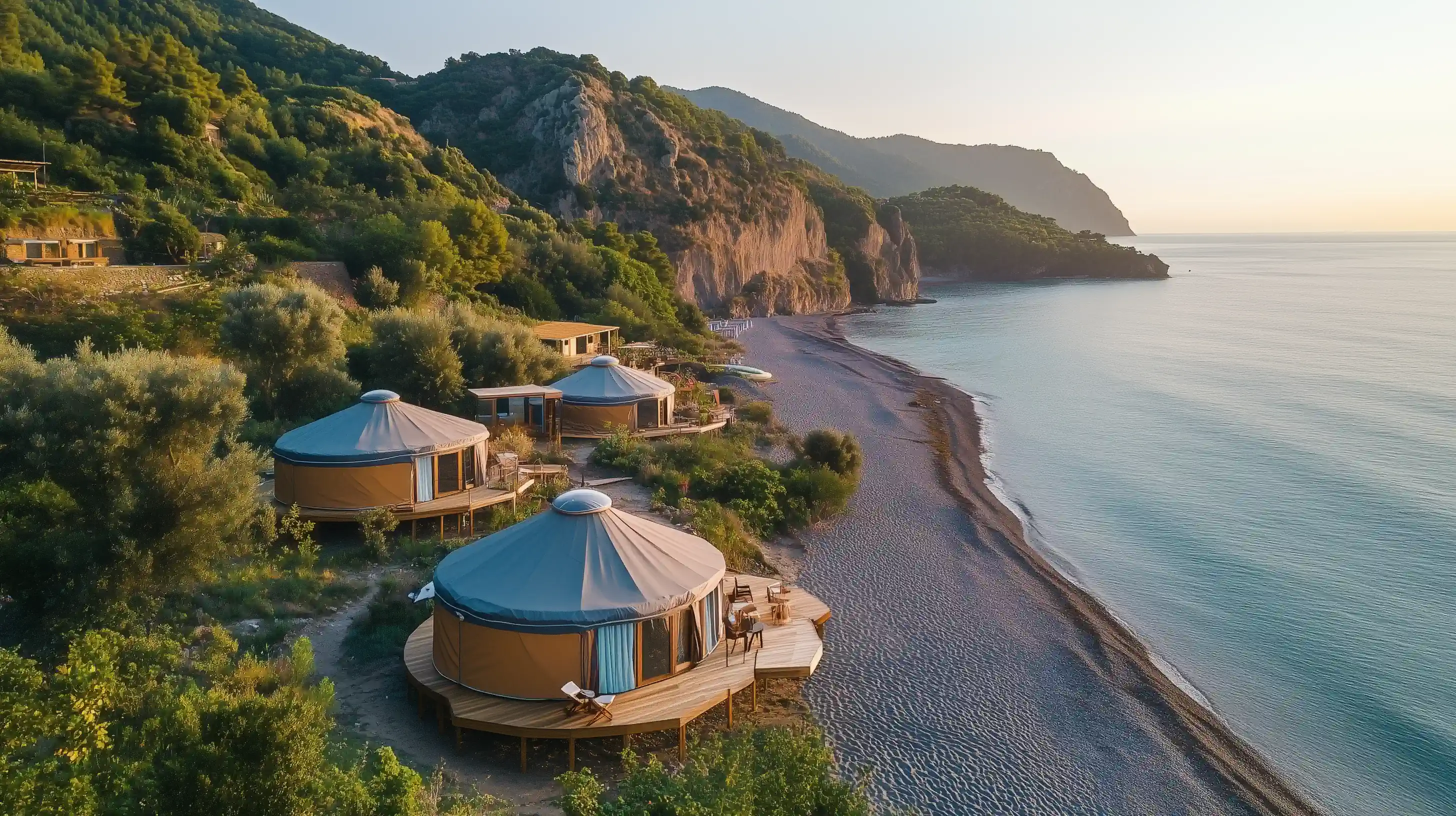
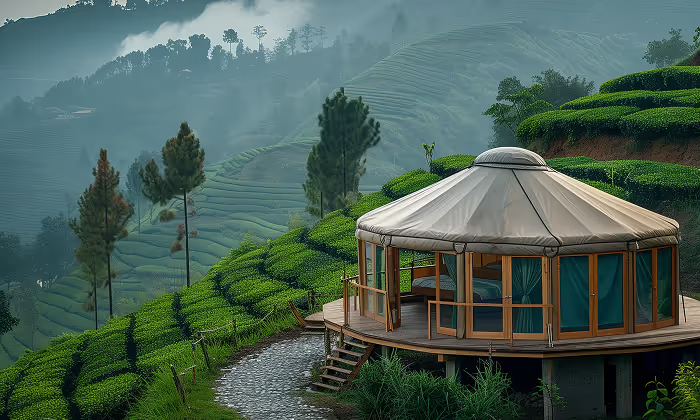
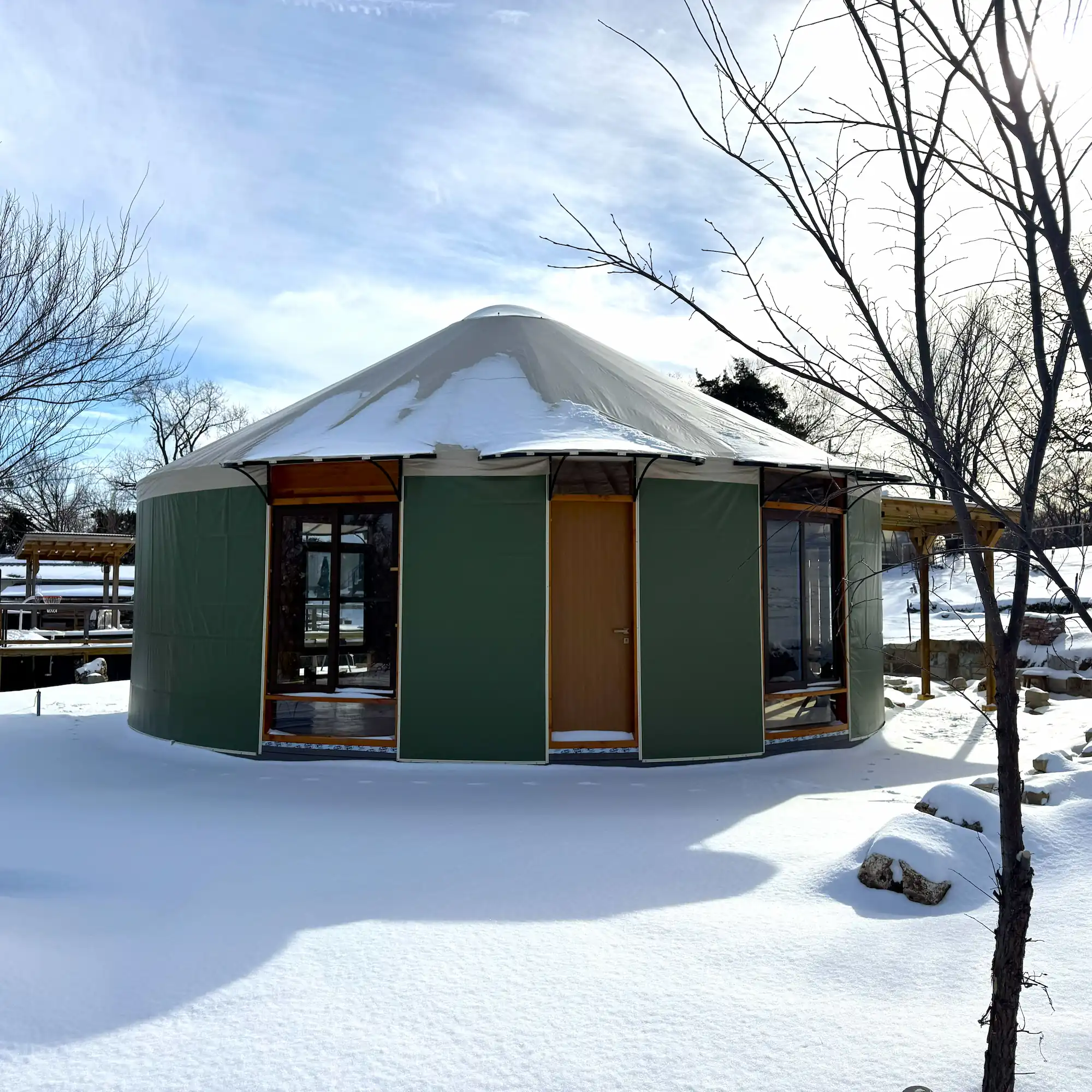
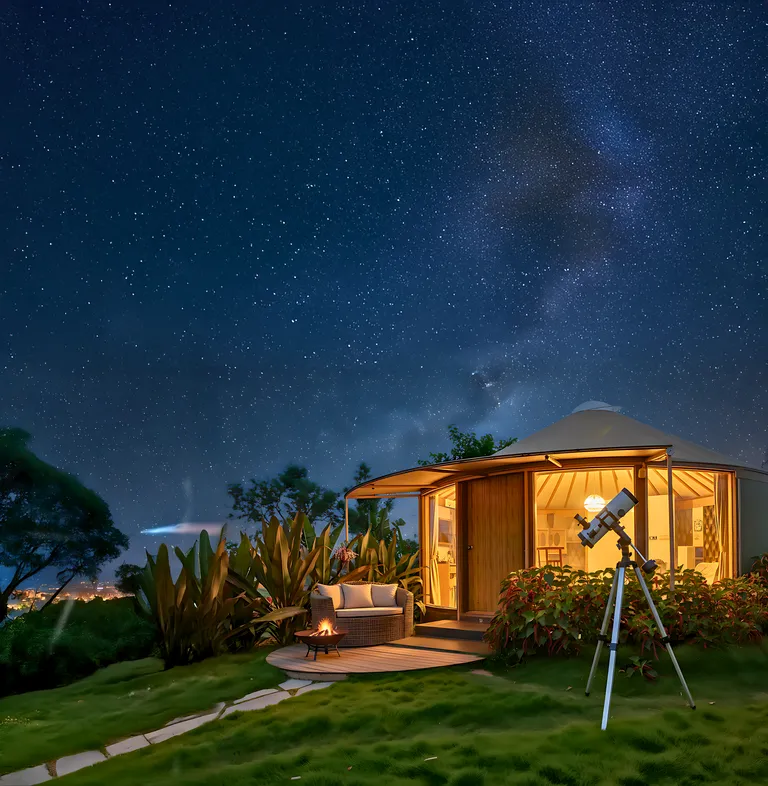
There is a universal image of comfort: a round, glowing yurt nestled in a quiet landscape, with a ribbon of smoke curling from its chimney. Inside, a fire crackles in a wood stove, creating a sanctuary of warmth and peace. This dream is achievable anywhere in the world, but it starts with one crucial decision: choosing the right wood stove.
The challenge for an international buyer is that the "best" stove is entirely dependent on where you live. A brand that is popular in North America may be unavailable in Europe, and safety standards are different in every country.
This guide is designed to solve that problem. I'm Praveen, founder of The Out Factory, and we ship our yurts to clients all over the world. We've created this universal framework to empower you to choose the right stove with confidence, no matter where you plan to build your dream.
The Universal Principles of Safe Yurt Heating
Before we talk about brands or models, we must cover the non-negotiable principles of safety that are true for every yurt, in every country.
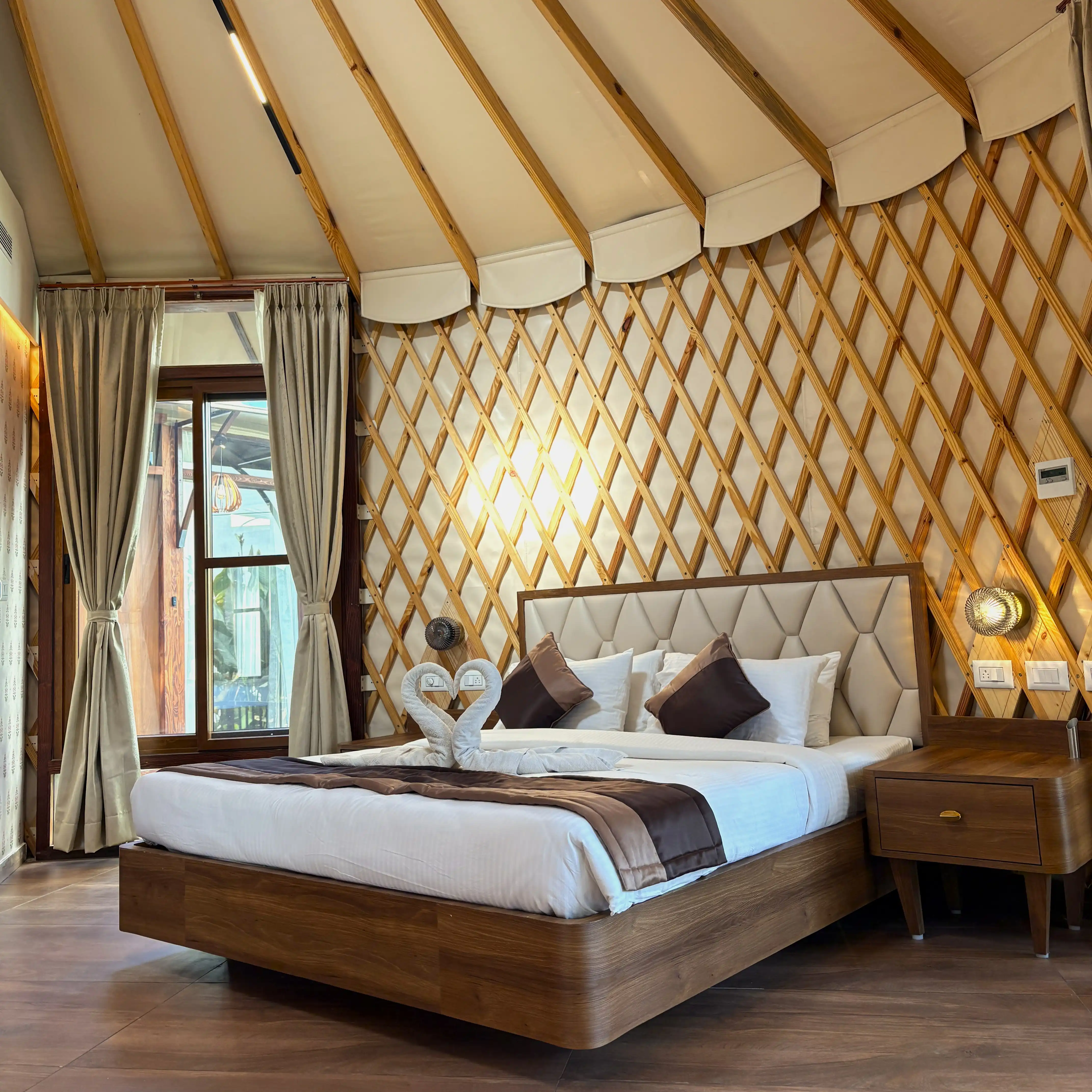
- The Law of Clearances: A wood stove radiates intense heat. Clearance is the mandatory minimum safe distance between your stove and any combustible surface, like your yurt's lattice wall or floor. This empty air space is your most important safety feature.
- The Importance of Heat Shields: To protect your yurt, you must use non-combustible heat shields on the floor (a "hearth") and on the wall behind the stove. A wall shield must be installed with an air gap behind it to allow heat to dissipate safely.
- The Critical Chimney Flashing: This is the component that allows your chimney (or "flue") to pass through the yurt roof. You must use a specialized yurt-specific flashing kit with a high-temperature silicone boot. A standard hardware store flashing will fail, causing leaks or a fire.
The 3-Step Process for Choosing Your Stove
With the safety fundamentals in mind, here is a simple, three-step process you can use to find the perfect stove in your local market.
Step 1: Calculate Your Heating Needs (The Sizing Formula)
The single biggest mistake is buying a stove that is too big. It will run inefficiently and produce dangerous creosote. The goal is to match the stove's heat output, measured in BTUs (British Thermal Units) or kW (Kilowatts), to your yurt's size and climate.
Use this table as a starting point for a well-insulated, four-season yurt:
Step 2: Research Your Local Market (The Homework)

Now it's time to become a local expert. Go to your search engine and find the answers to these three questions for your country:
- "What reputable wood stove brands are sold in [My Country]?" (e.g., "wood stove brands Spain"). This will give you a list of potential companies.
- "What are the national safety standards for wood stoves in [My Country]?" Look for official government or industry pages. In Europe, for example, you'll find the "CE" marking and "EN 13240" standard is a critical sign of a tested, safe product.
- "Are there 'Smoke Control Areas' or emissions laws in my region?" Many countries, especially in Europe, have strict rules about smoke. You may need a stove that is certified as "clean-burning" or "smokeless."
Step 3: Find a Qualified Local Installer (The Professional)
The installer is just as important as the stove itself. An improperly installed stove is a major fire hazard. Search for terms like "certified chimney installer [My Country]" or "professional fireplace fitter [My City]." Always get references and ensure they are insured. Do not entrust this critical job to a general handyman.
Universal Features of a Quality Stove
As you research brands in your local market, look for these hallmarks of a high-quality, modern stove.
- Secondary Combustion: This is an "afterburner" system that re-burns the smoke, resulting in a cleaner, more efficient fire with much more heat. It's a key feature of any modern, eco-friendly stove.
- Air Wash System: This feature directs a flow of hot air down the inside of the glass door, keeping it clean so you can always see the fire.
- Build Material (Cast Iron vs. Plate Steel): Cast iron stoves are heavier and hold heat for longer, radiating it out slowly. Plate steel stoves heat up faster and cool down faster. Both are excellent materials when made by a quality manufacturer.
The One Component We Can Help With: The Flashing Kit
While we can't recommend a stove for every country, we can solve one of the biggest challenges for international buyers: finding the right chimney flashing.
A safe, waterproof seal on the roof is essential, and a generic part won't do. Our Out Factory yurts and our specialized flashing kits are engineered to work together perfectly. We ship these essential safety components globally, ensuring you have the single most critical piece for a safe installation, no matter what stove brand you choose locally.
Conclusion: A Universal Framework for a Confident Decision
The dream of a warm, fire-lit yurt is a global one, but the path to achieving it is local. By using this framework—understanding the universal safety principles, calculating your needs, and researching your local market—you can confidently choose the perfect wood stove for your yurt, anywhere in the world.
Planning a yurt project in a unique climate? Our team has global experience and can help you think through your heating requirements and ensure you have the right components for a successful and safe build. Connect with our international team today.
uniquely yours?
Explore Limitless options in our 3d yurt builder
and bring your vision to life
Share Blog


.jpg)
.jpg)
.jpg)
.jpg)
.webp)