


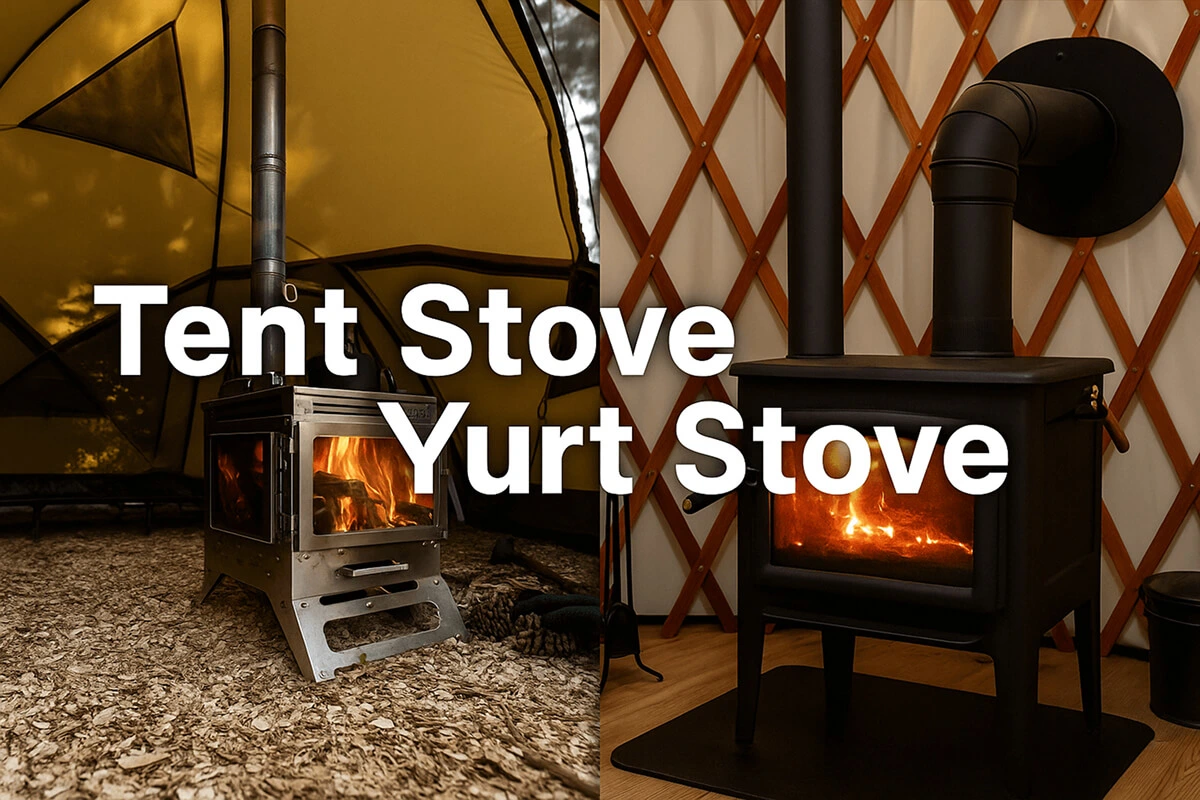
When you start searching for a wood stove for your yurt, you'll quickly discover two very different types of products. In one corner, you have small, lightweight, and very affordable "hot tent stoves." In the other, you have heavy-duty, certified "yurt stoves" or "cabin stoves" that cost significantly more.
It’s an incredibly tempting comparison. The price difference can be thousands of dollars, and it leads to a very logical question: "Can't I just use a hot tent stove and save a lot of money?"
As an expert who prioritizes safety above all else, my answer is a clear and unequivocal no. Using a hot tent stove as a primary, long-term heat source for a permanent yurt is a costly and dangerous mistake.
This guide isn't about criticizing hot tent stoves—they are a fantastic piece of kit for their intended purpose. This is about understanding the crucial difference between a recreational camping accessory and a permanent home heating appliance. It's about choosing the right tool for the right job.
Understanding the "Job" of the Stove
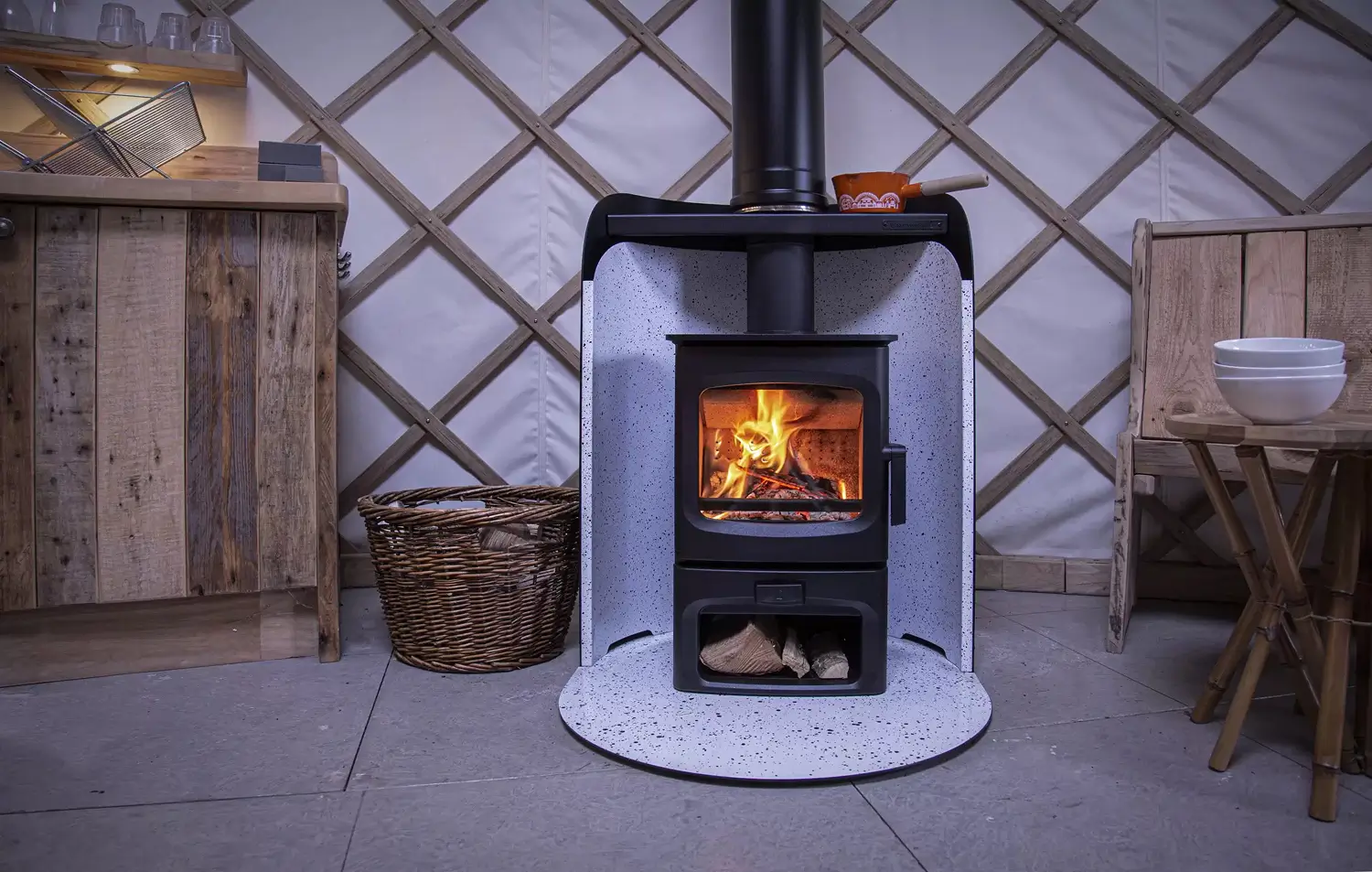
The first step is to understand that these two products are designed to do completely different jobs.
- The Hot Tent Stove's Job: To provide temporary, attended heat for a small, portable, and highly breathable canvas tent during a short-term camping trip. Think of it like a lightweight backpacking stove—brilliant for a weekend, but you wouldn't use it to cook for your family every night.
- The Yurt Stove's Job: To provide continuous, reliable, and safe heat for a large, well-insulated, permanent residential structure for an entire season. It's not a camping accessory; it's your home's furnace.
The 5 Key Differences You Cannot Ignore
The difference in their "jobs" is reflected in five critical areas of design and engineering.
1. Materials & Durability
- Hot Tent Stove: Made from thin-gauge, lightweight steel (often less than 2mm thick). This is a feature, not a bug—it's designed to be portable. However, this thin steel is prone to warping at high temperatures and will eventually burn through with continuous, heavy use.
- Yurt Stove: Made from heavy-duty, thick plate steel (often 5mm+) or solid cast iron. These materials are designed to absorb and radiate massive amounts of heat and to withstand the cycle of heating and cooling every day for decades without warping or failing.
2. Heating Capacity & Burn Time
- Hot Tent Stove: Has a very small firebox. It's designed for a quick, hot fire that provides immediate warmth but burns out fast. You will be feeding it small pieces of wood constantly, and it is not capable of holding enough fuel to burn safely overnight.
- Yurt Stove: Has a much larger, deeper firebox. It's designed to be loaded with larger logs for a long, stable, and controlled burn. A properly sized yurt stove can be loaded in the evening and will still have hot coals in the morning.
3. Safety & Certified Clearances
- Hot Tent Stove: Is not certified for residential use. Its clearance requirements are minimal because it's designed to be used in a simple tent, often with a simple metal pipe jack. There are no tested safety standards for its use in an insulated, permanent dwelling.
- Yurt Stove: Is a certified heating appliance that has been rigorously tested to meet national safety standards (like CE marking in Europe or EPA certification in the US). Its manual provides legally required, tested clearances to combustible surfaces. Installing a certified stove is essential for getting home insurance.
4. Efficiency & Emissions
- Hot Tent Stove: A simple metal box. It uses a basic, single-burn design that is inefficient and produces a lot of smoke and creosote (the flammable buildup in your chimney).
- Yurt Stove: A modern, clean-burning machine. It features secondary combustion—an "afterburner" system that re-burns the smoke and gases. This results in a far more efficient fire that extracts more heat from your wood and produces dramatically less creosote, making it much safer.
5. Longevity & Investment
- Hot Tent Stove: A disposable item. With heavy use, you might get a few seasons out of it before it warps or burns through. It's a short-term expense.
- Yurt Stove: A permanent home appliance. A quality yurt stove from a reputable brand is a lifetime investment, designed to operate safely for decades.
At a Glance: The Key Differences
The Verdict: Can You Use a Hot Tent Stove in a Yurt?
For a primary, four-season heat source in a permanent, modern yurt, the answer is an emphatic no.
While it might seem to "work" for a short time on a mild day, it is completely inadequate for real winter conditions and, more importantly, it lacks the tested safety features and robust construction required for a residential dwelling. You wouldn't put a lawnmower engine in a Land Rover and expect it to perform safely and reliably on the highway. The principle is the same here.
Your investment in a high-quality, permanent yurt deserves a heating system of the same caliber.
Conclusion: The Right Tool for the Right Job
A hot tent stove is a fantastic tool for its specific job: making a lightweight tent warm and comfortable for a short outdoor adventure.
But your yurt is not a camping tent; it's your home. It requires a proper, heavy-duty heating appliance designed and certified for residential use. Choosing a real yurt stove is an investment in your safety, your comfort, and the long-term value of your property.
To see our recommendations for high-quality, properly-sized stoves that are the right tool for the job, please read our complete review guide: [Read Next: Best Wood Stoves for Yurts: A Sizing & Review Guide]
FAQs
1. But I've seen people on YouTube use hot tent stoves in yurts?
Yes, and you'll often see them doing it for a weekend in mild weather, or in very small, uninsulated yurts. This is very different from relying on a stove to keep a large, insulated yurt safely heated through a week-long blizzard. For a permanent, four-season home, you must use a permanent, four-season heating system.
2. Could I use a hot tent stove just for a few nights to save money initially?
We would strongly advise against it. Your safety systems, especially those involving fire, should be built correctly from day one. It's better to wait and save for the proper, certified stove and installation than to take a risk with an undersized, uncertified appliance in your new home.

uniquely yours?
Explore Limitless options in our 3d yurt builder
and bring your vision to life

Share Blog





.jpg)
.jpg)
.jpg)
.jpg)

.webp)