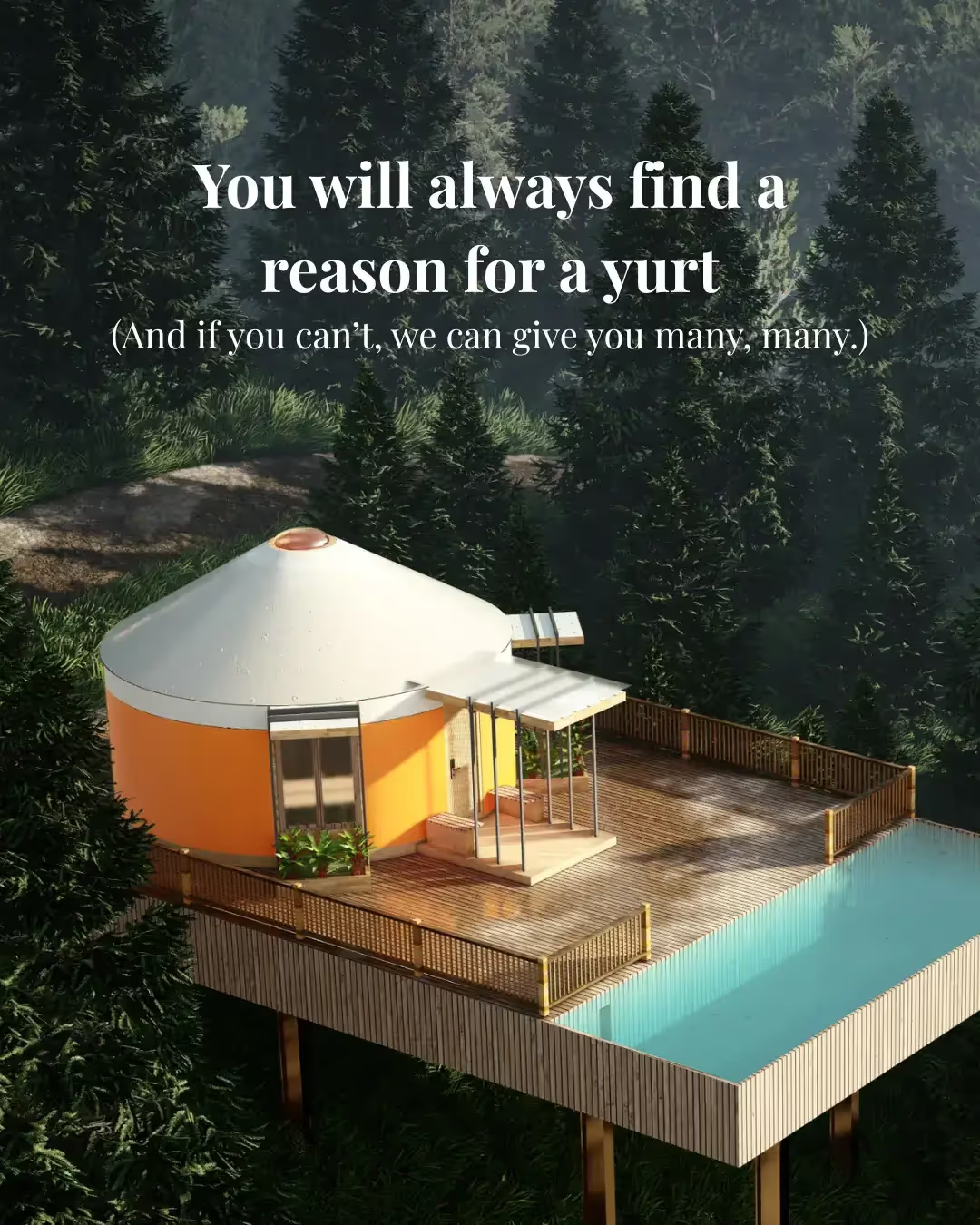


.webp)

Considerations Before Buying a Yurt: What Real Buyers Get Excited About and What They Regret

TL;DR
Yurts are beautiful, fast to install, and emotionally compelling. But real-world buyers repeatedly run into the same issues: underestimating climate performance, surprise costs beyond the kit, weak foundations, and romantic expectations that don’t match daily living. By analyzing hundreds of real comments from a popular YouTube video- https://www.youtube.com/watch?v=f05NYU3kmFs.
This guide breaks down what actually matters before buying a yurt – and how design-led, hospitality-grade yurts (like those from The Out Factory) solve many of these problems when specified correctly.
Why Yurts Attract So Much Attention (and So Much Confusion)
Few structures generate as much curiosity as a yurt. In the comments we analyzed, viewers were immediately drawn to:
- The circular geometry and sense of flow
- The feeling of openness and light
- The idea of living closer to nature without “full construction”
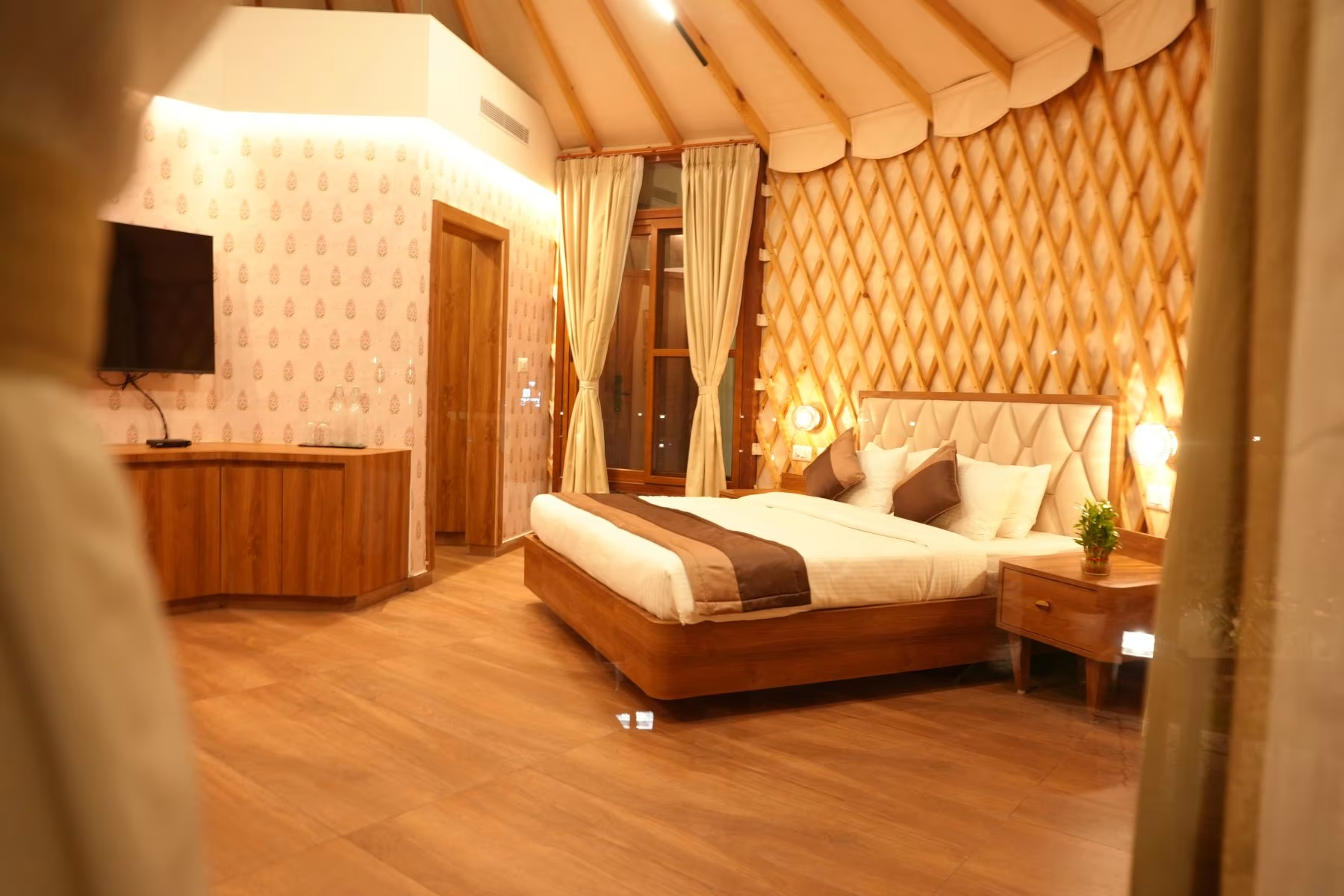
Several long-time users described how returning to square rooms felt dull after spending time in a yurt. Others spoke about the emotional calm of a circular space and the joy of watching light move through the dome across the day.
But almost every enthusiastic comment was countered by a cautious one. People questioned:
- Whether the yurt would be freezing in winter
- If it could survive strong winds
- Why the total cost felt higher than expected
- Whether the lifestyle would still feel romantic after six months
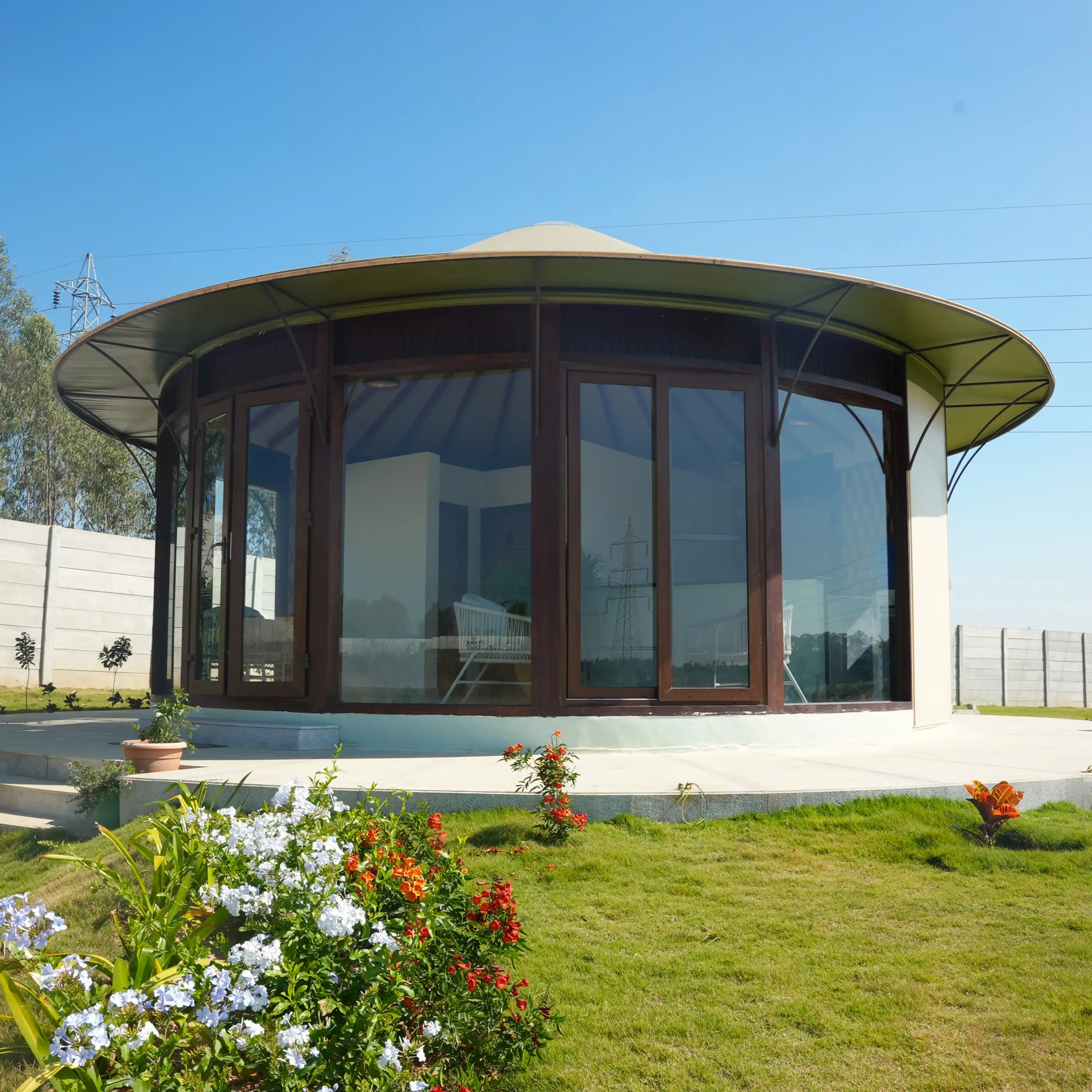
This gap between aspiration and reality is where most yurt disappointments are born. The problem is not yurts; the problem is how yurts are specified, designed, and understood. If you’re still exploring what yurts can realistically be used for—homes, Airbnbs, retreats or glamping units—this overview of sizes and possibilities helps ground expectations: https://www.theoutfactory.com/sizes-and-possibilities
1. Cost Reality: The Yurt Is Not the Whole Budget
One of the most common themes across real buyer conversations is cost shock. Many buyers focus on the kit price, then discover they also need:
- A platform/foundation
- Insulation and liners
- Interiors (bathroom, kitchenette, partitions)
- Utilities and labor
- Shipping, duties, and delivery
Several commenters broke down real numbers, with total investments landing far above the initial yurt price once platforms, interiors, utilities, and labor were added. This is where the difference between an entry-level yurt and a system-designed yurt shows up. Design-led manufacturers like The Out Factory approach yurts as complete systems. Buyers are guided through platform specs, insulation choices, window/door configuration and shipping logistics before production begins.
To understand how TOF structures pricing, sizes, and inclusions transparently, start here: https://www.theoutfactory.com/yurts-pricing
To understand the “The Total Cost of Ownership” start here: https://www.theoutfactory.com/blog/cost-of-buying-a-yurt
What to do before buying
- Budget for the entire system, not just the shell
- Ask for a clear “included vs. optional” list
- Get platform assumptions early so you don’t redesign later
A yurt can be cost‑effective, but only when surprises are removed early.
2. Climate Comfort: Where Most Yurt Myths Come From
The most emotionally charged comments usually revolve around temperature. Some people assume yurts will be uncomfortable in winter or too hot in summer. Others argue yurts have survived extreme climates for centuries. Both can be true depending on design.
Most discomfort stories come from:
- Thin wall assemblies
- Minimal insulation
- No HVAC planning
- Poor ventilation causing condensation
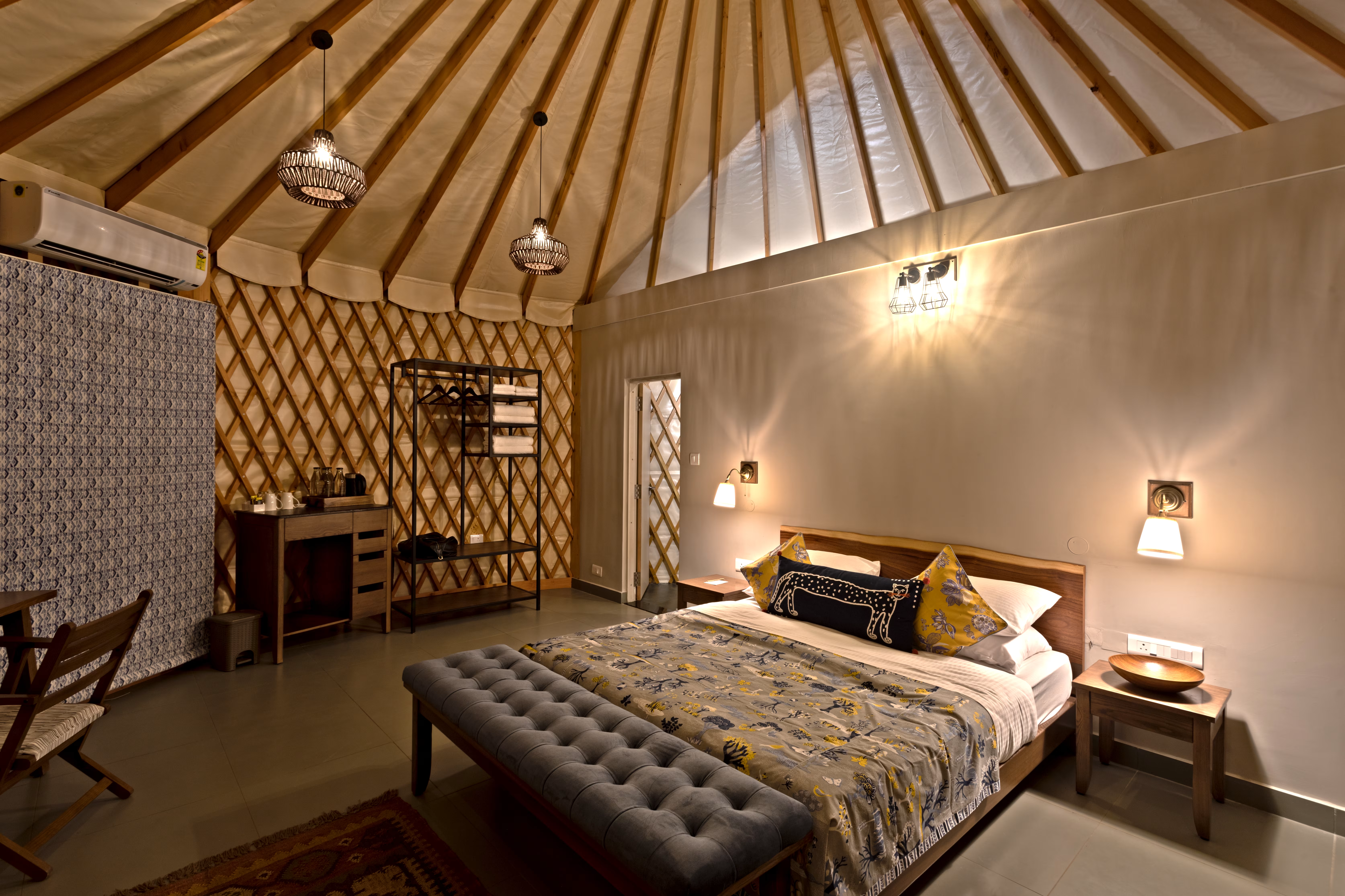
Hospitality‑grade yurts address this by design. At TOF, the approach is closer to architecture than camping: layered wall and roof insulation, glazing choices based on climate, HVAC‑ready detailing and options that match real use (hosting, living, working). For readers who want to go deeper into materials, insulation layers and performance assumptions, this reference is useful: https://www.theoutfactory.com/yurt-specifications
What to do before buying
- Specify insulation first, aesthetics second
- Design for the worst season you’ll face
- Ensure the yurt is HVAC‑compatible (even if you don’t install HVAC on day one)
Climate comfort is not optional. It is designed.
3. Wind, Rain, and Structural Durability
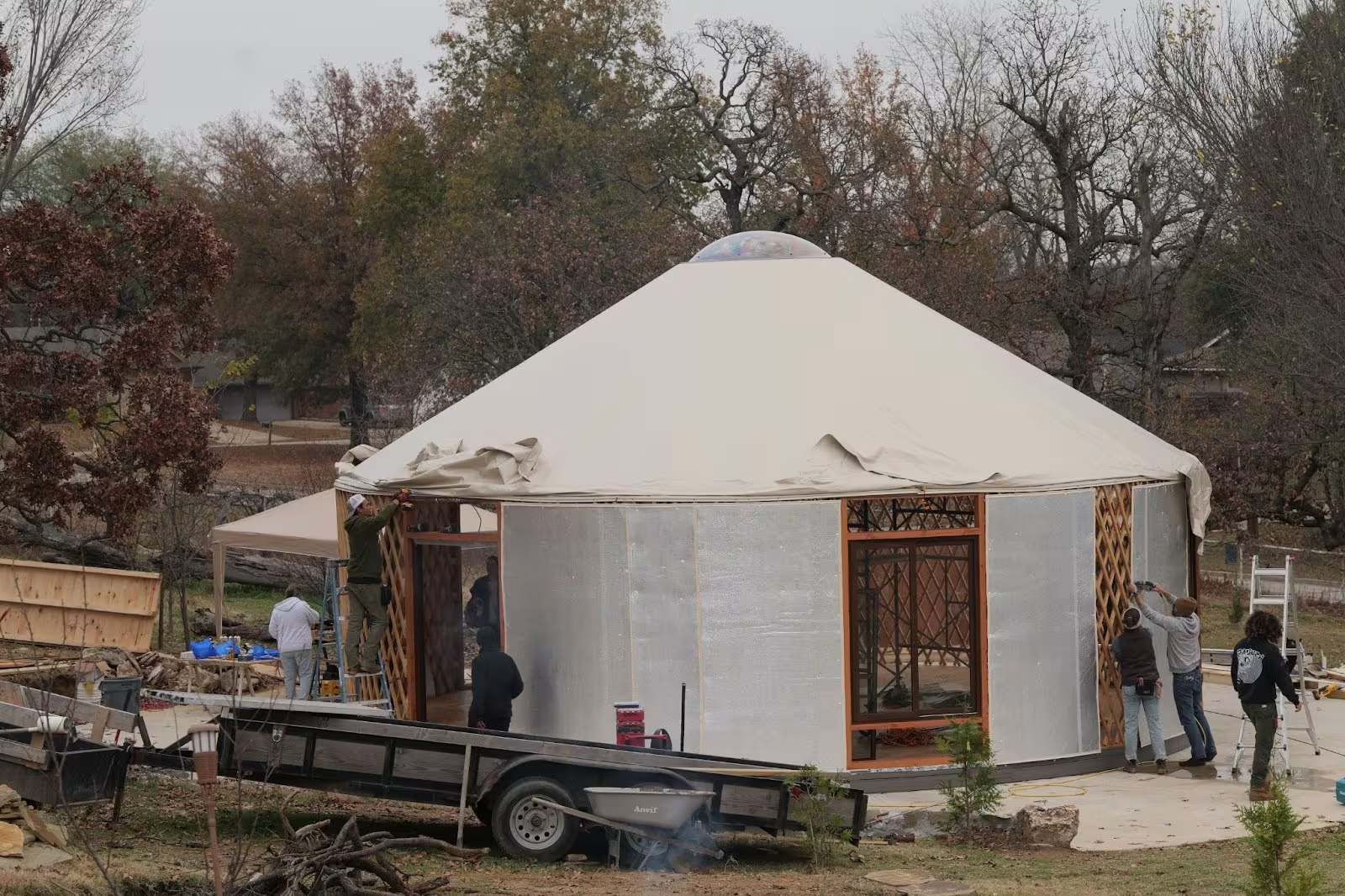
Comment debates often mix all yurts together, which creates confusion. A DIY ger, a festival yurt, and an engineered yurt behave very differently. Engineered yurts typically rely on calibrated rafters, compression rings, tension bands and anchoring logic designed at the drawing stage. TOF yurts are designed as tensioned systems with anchoring strategies defined in the planning stage, not improvised on site.
If wind, snow or exposed terrain is a concern for your site, this page explains TOF’s process-driven approach to design and engineering: https://www.theoutfactory.com/how-we-work
What to do before buying
- Ask for wind and snow assumptions in writing
- Understand anchoring requirements and platform tie‑down points
- Treat the yurt as a structure, not a tent
4. Foundations: The Quiet Deal‑Breaker
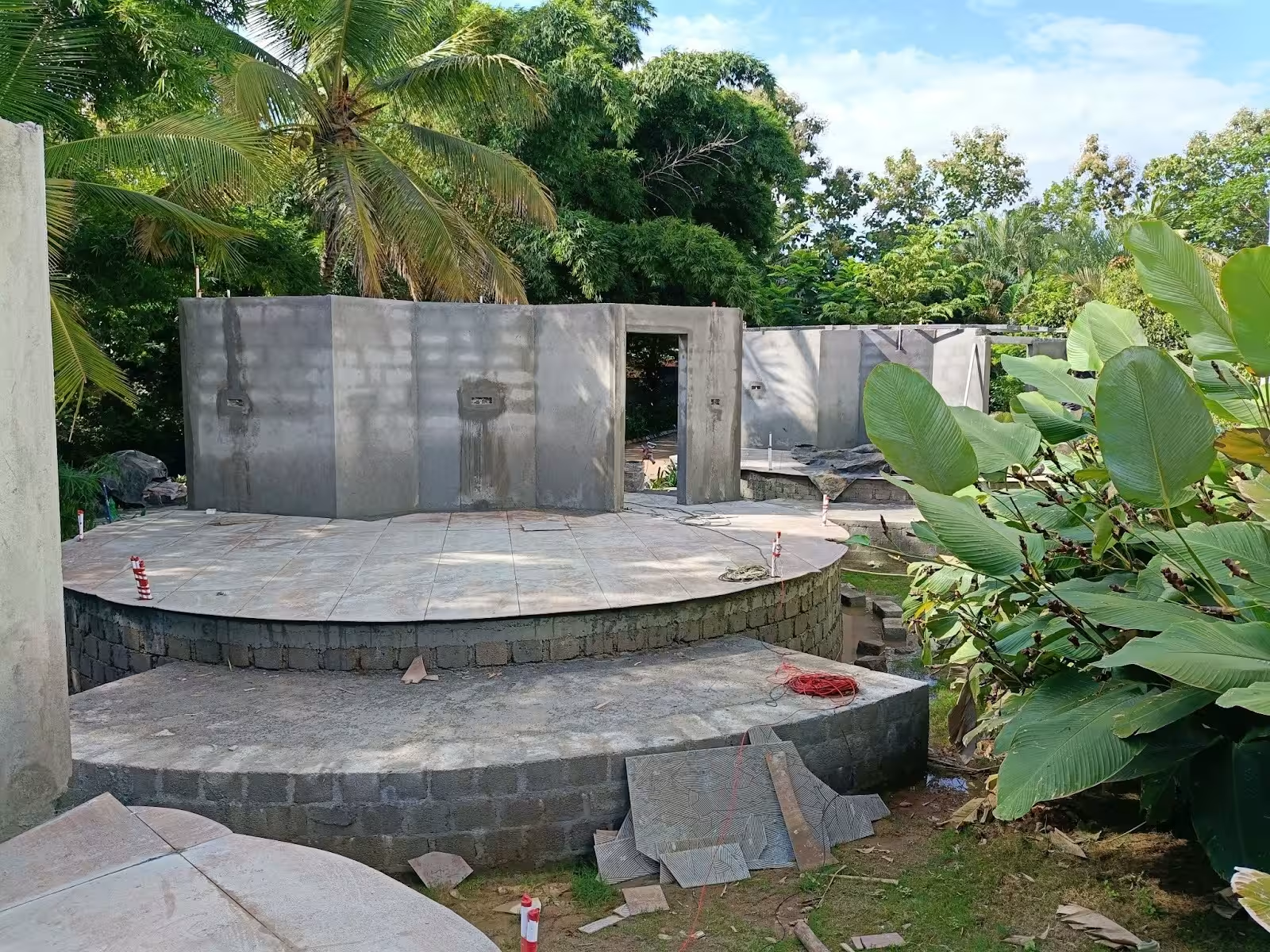
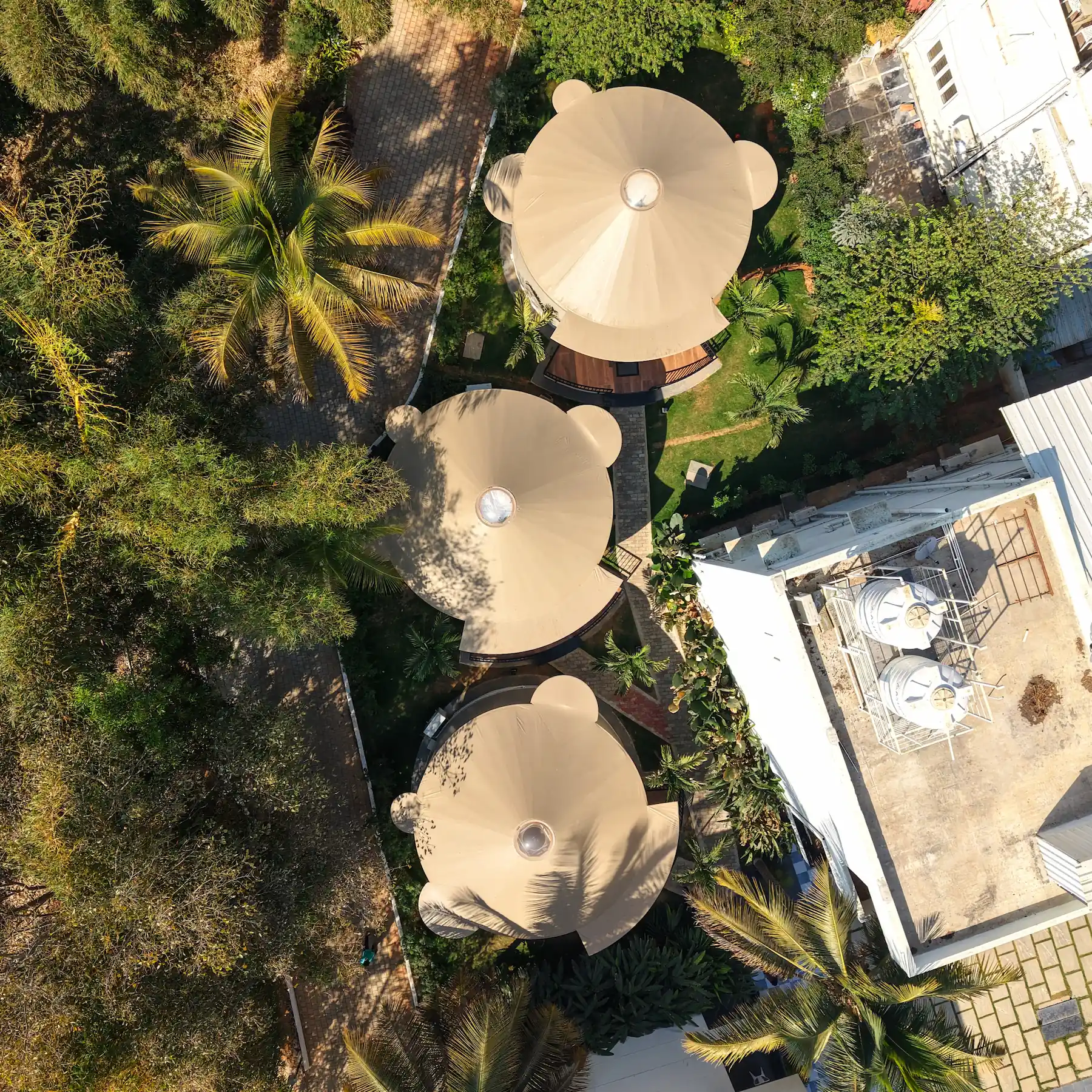
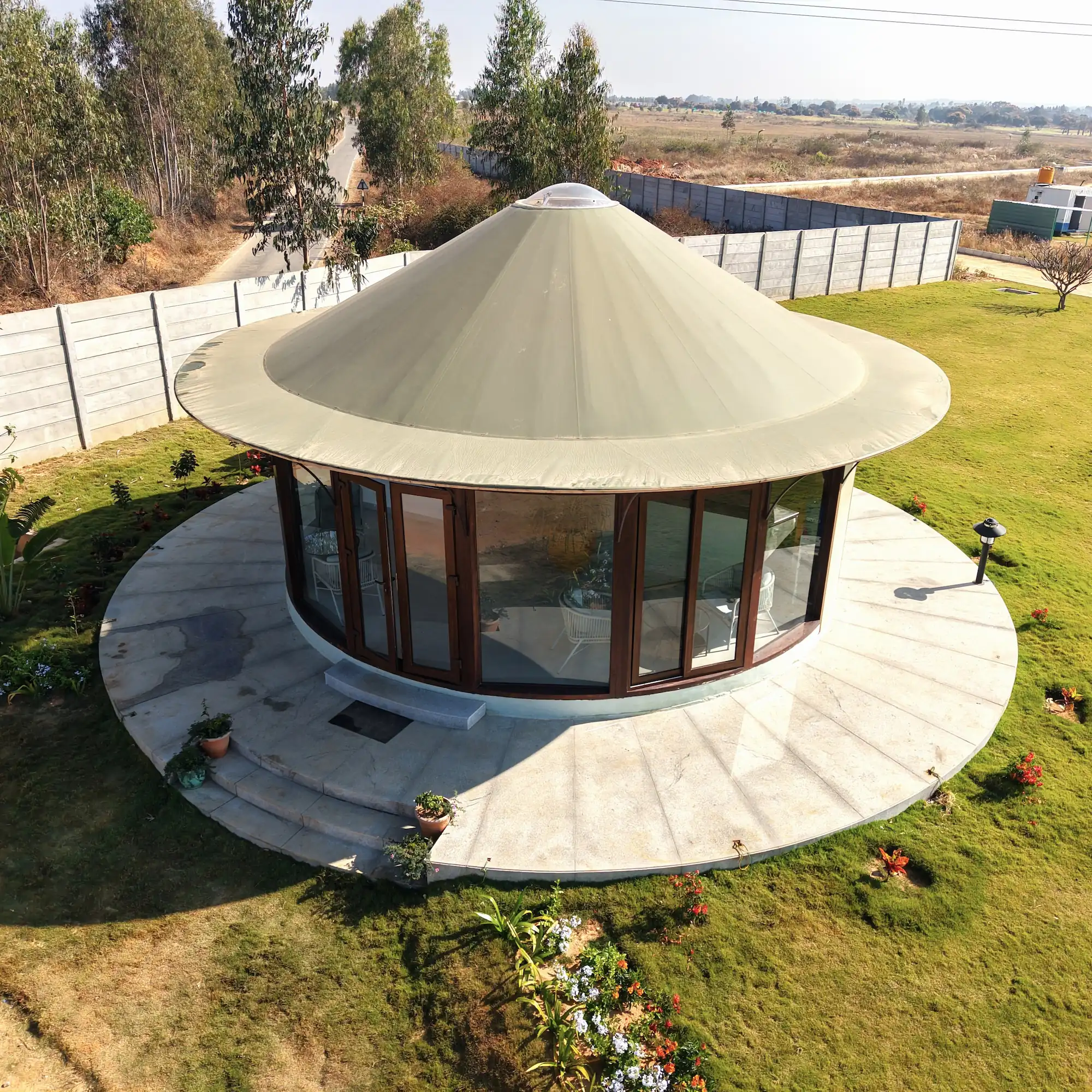
Many “yurt failure” stories aren’t about the yurt. They’re about what it sits on. Common mistakes include direct ground contact, poor drainage, no ventilation under the floor and untreated timber. Some manufacturers (including TOF) provide platform guidelines and dimensional coordination so buyers don’t treat foundations as an afterthought.
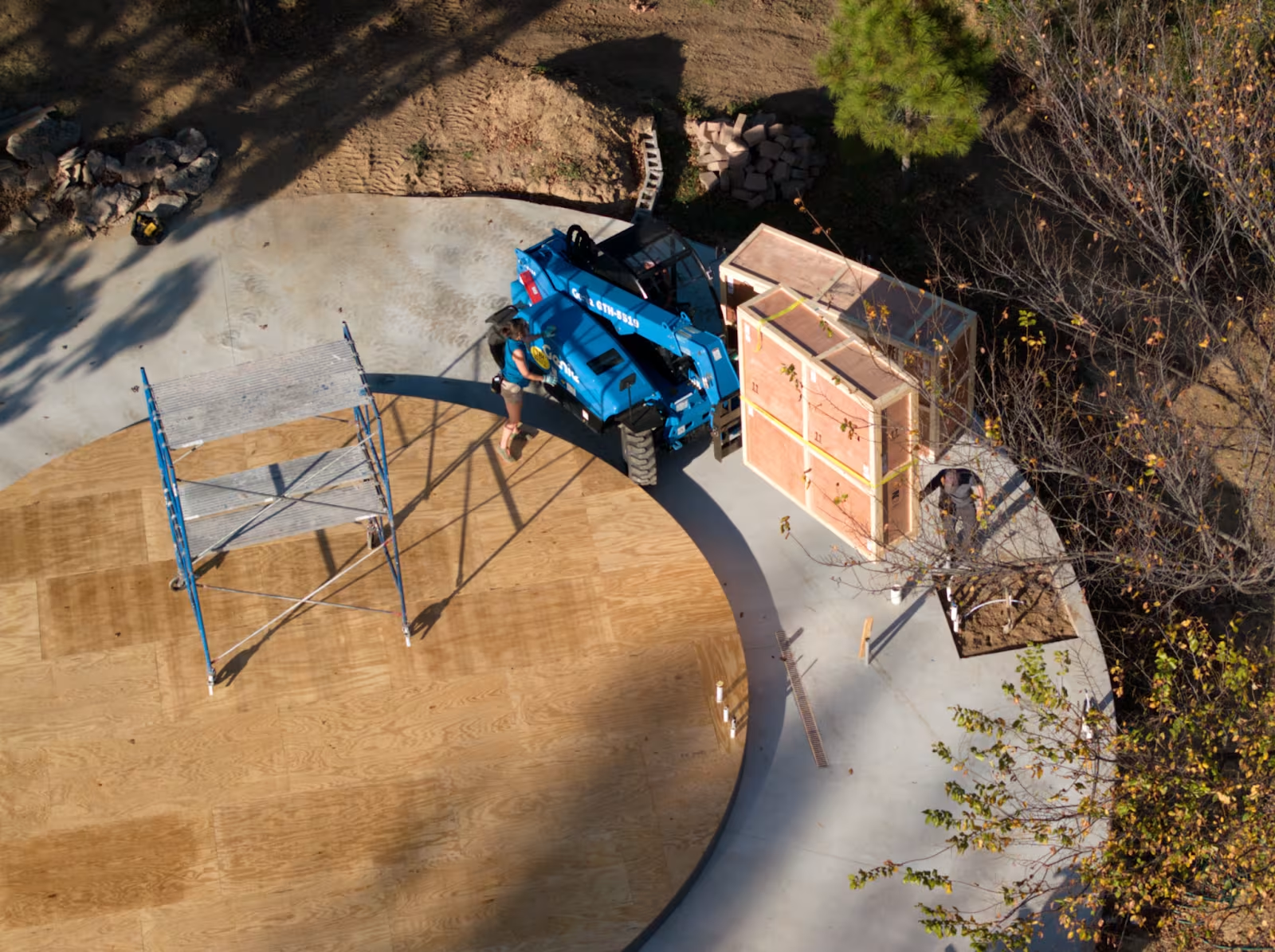
If you’re planning your site or working with a contractor, this foundation guide helps avoid early mistakes: https://www.theoutfactory.com/blog/yurt-platforms-guide
What to do before buying
- Never place a yurt directly on soil
- Design ventilation under the platform
- Coordinate foundation height with door systems and site drainage
Foundations are not optional. They are foundational.
5. Traditional vs. Modern Yurts: Choosing the Right Philosophy
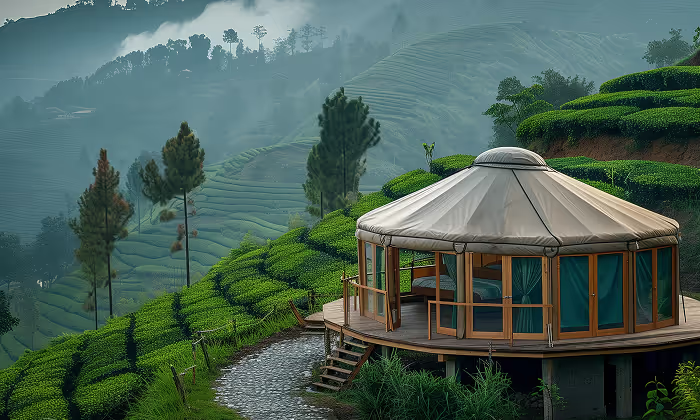
Traditional Mongolian yurts are cultural masterpieces, optimized for nomadic life. Modern yurts reinterpret the same geometry for plumbing, electricity, insulation and hospitality use cases. TOF’s philosophy sits in the middle: honor the circle and engineer the experience, customizing to the site and the use case. If you want to visualize how layouts, doors, windows and finishes change the experience, the TOF builder is the fastest way: https://www.theoutfactory.com/3d-yurt-customizer
6. Lifestyle Reality: The Question No One Wants to Ask
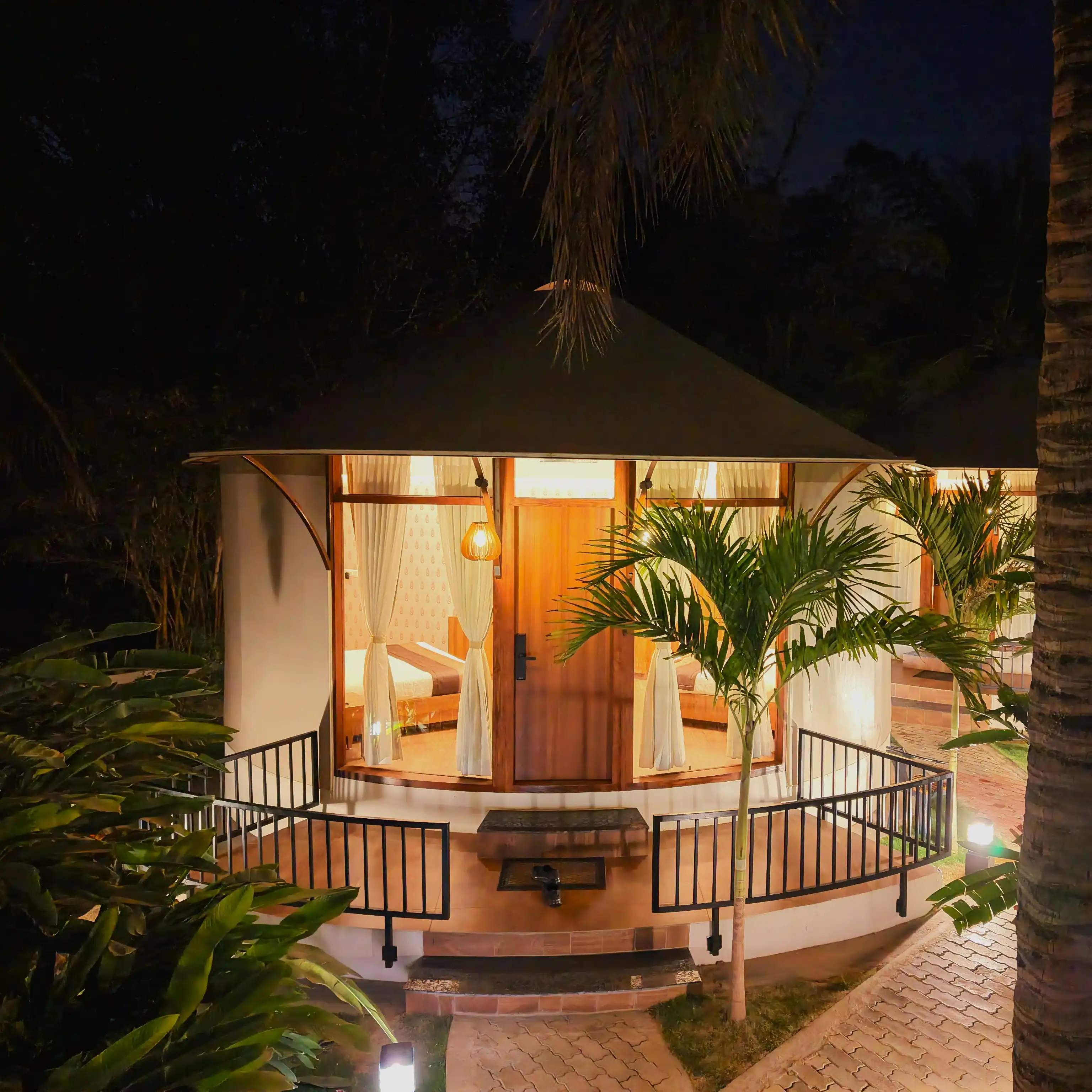
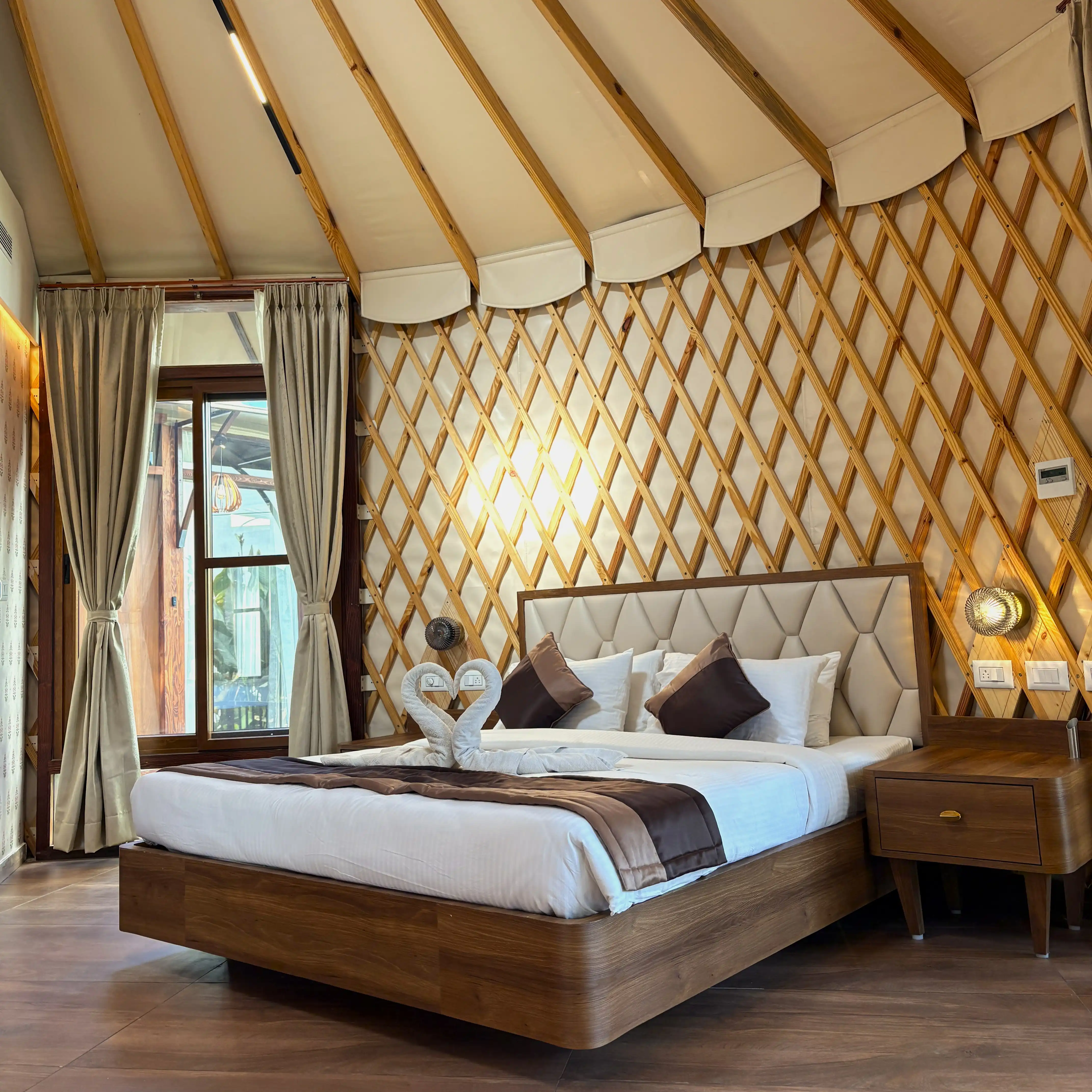
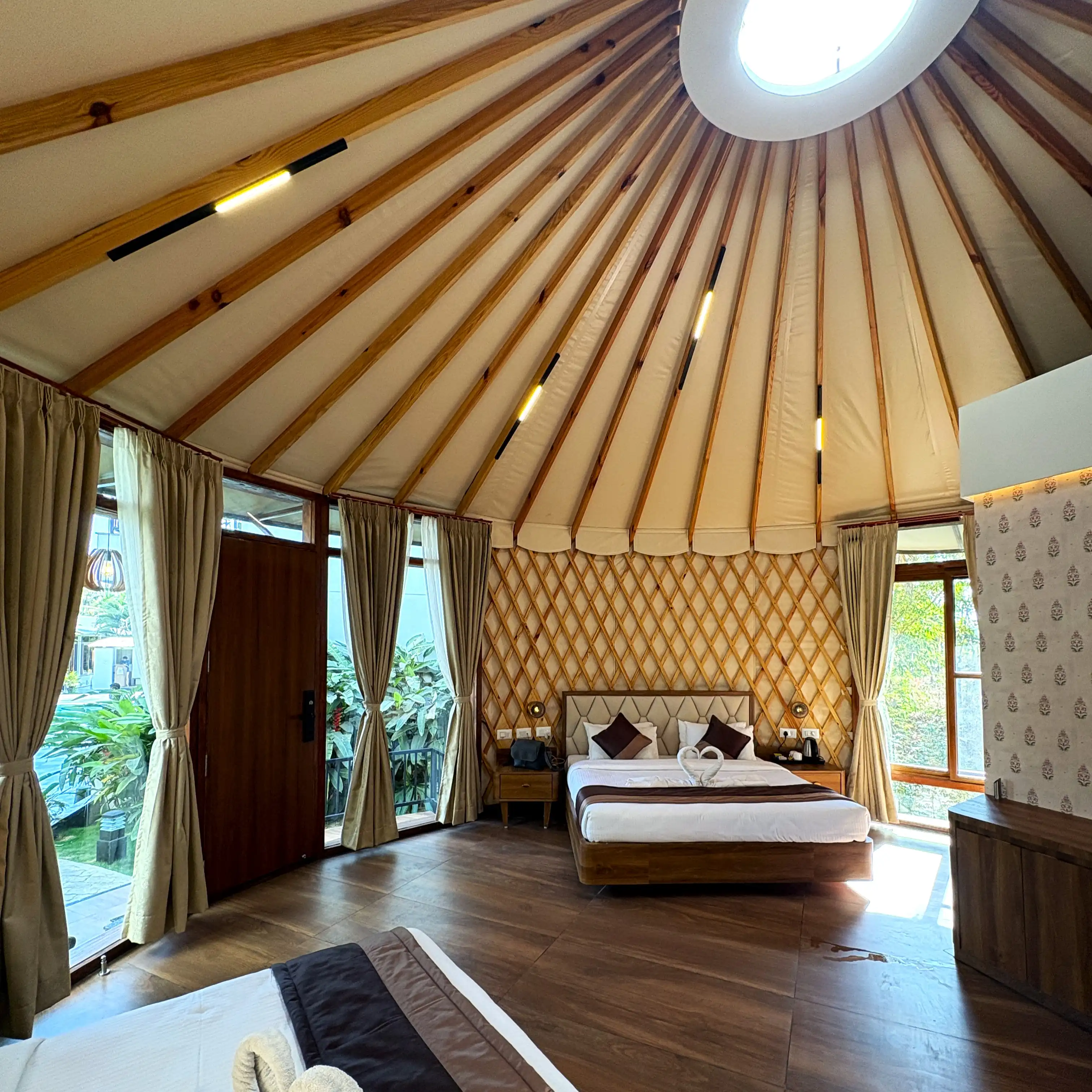
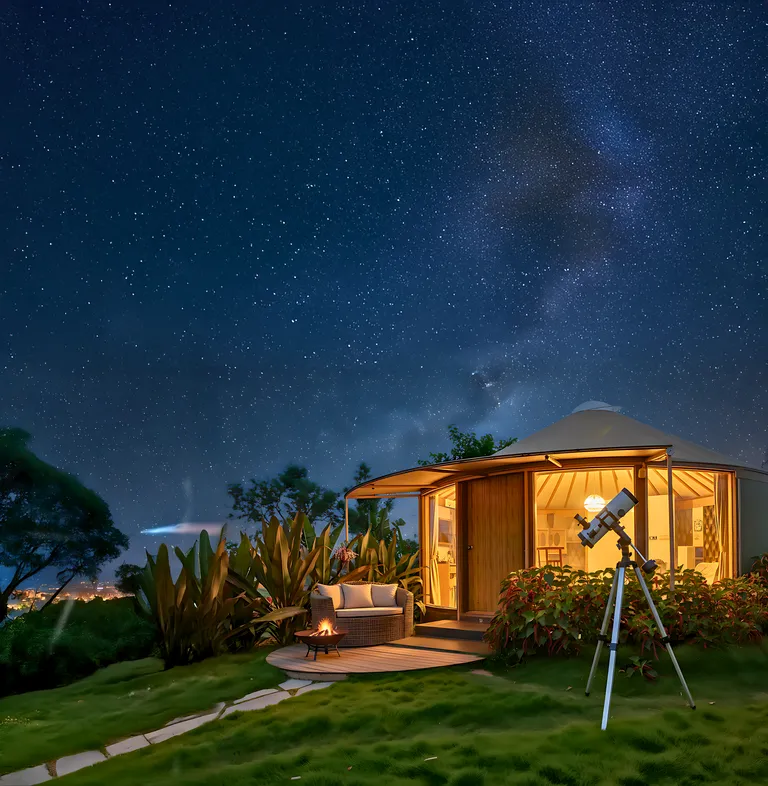
The hardest regret isn’t technical—it’s emotional. Yurts amplify daily life: you hear the rain, you feel the seasons and you live with fewer hard boundaries. They reward people who value light, flow and simplicity, and frustrate those expecting a conventional house experience. If you’re thinking about zoning space inside a circular plan, these real layouts help set expectations: https://www.theoutfactory.com/floor-plans-and-layouts
What to do before buying
- Stay in a yurt before committing
- Be honest about privacy needs
- Design zones within the circle
A yurt is not a downgrade. It is a different philosophy of space.
A Practical Next Step
If this article resonated, you’re probably past the browsing phase. At this stage, a structured conversation helps. The Out Factory works with buyers globally to assess climate, use case (home, glamping, wellness, Airbnb), budget, and site realities before recommending a configuration.
If you want a grounded, no‑pressure discussion about whether a yurt makes sense for your context:
- Get a tailored quote: CTA
- Book a build consult: https://theoutfactory.zohobookings.com/#/Virtual_tour
- Global shipping & lead times: https://www.theoutfactory.com/yurts-shipping-price
Not every site needs a yurt. But when a yurt fits, it fits beautifully.
FAQ – Quick Answers from Real Buyer Questions
Can I live in a yurt year‑round?
Yes, if it’s specified for your climate (insulation, ventilation, HVAC readiness).
Do I need a building permit?
It varies by region. Always check local zoning and building rules.
How long will a yurt last?
The structure can last decades with maintenance. Fabrics may need replacement in the 10–20 year range depending on material and exposure.
Are yurts safe in storms?
Engineered yurts with correct anchoring and a proper foundation perform well in wind and rain. Always design for your local conditions.
uniquely yours?
Explore Limitless options in our 3d yurt builder
and bring your vision to life
Share Blog
.jpg)
.jpg)
.jpg)
.jpg)
.webp)